Compounds, decoded.
Creatine Isn't Just for the Gym: What the 2026 Brain Studies Actually Show
A new Alzheimer's trial found creatine slowed cognitive decline by 30%. A meta-analysis confirmed benefits for memory and focus in healthy adults. Here's what desk athletes should know.
Creatine for Your Brain: What the Latest Research Means for Knowledge Workers
A new Alzheimer's study found creatine boosts brain levels by 11%. Here's why desk athletes should care about the most underrated cognitive supplement.
Bovine Colostrum: Immunoglobulins, Growth Factors, and the Gut Barrier Compound That Isn't a Probiotic
Colostrum isn't a probiotic. It doesn't contain live bacteria. What it contains — immunoglobulins, lactoferrin, and growth factors — operates through mechanisms that are fundamentally different from anything in the probiotic category, and arguably more relevant to the modern gut-barrier problem.
NAD+: The Coenzyme That Connects Sirtuins, DNA Repair, and Mitochondrial Aging
NAD+ sits at the intersection of three aging hallmarks: mitochondrial dysfunction, DNA damage accumulation, and epigenetic drift. Understanding why it declines — and what actually works to restore it — requires tracing the molecule through every pathway that depends on it.
Sea Moss: 92 Minerals, Mucilage, and the Marine Superfood in Three Preset Stacks
The "92 minerals" claim is everywhere, but the real story of sea moss is more interesting than a mineral count. It's about agricultural depletion, the ionic form advantage, a striking similarity between seawater and human plasma, and a mucilaginous polysaccharide matrix that does something no mineral supplement can.
Royal Jelly, Propolis, and Bee Bread: Three Hive Compounds, Three Distinct Mechanisms
The hive produces three bioactive substances — royal jelly, propolis, and bee bread — that are often marketed together but operate through entirely different biochemical mechanisms. Understanding 10-HDA, CAPE, and fermented pollen separately is the key to understanding why the combination is more than the sum of its parts.
Turmeric and Curcumin: NF-kB, Bioavailability, and Why Piperine Isn't Optional
Curcumin is one of the most studied natural compounds in the anti-inflammatory literature — and one of the most poorly absorbed. The mechanism is real: NF-kB suppression, COX-2 inhibition, AMPK activation, NLRP3 inflammasome modulation. But none of it matters if the compound never reaches systemic circulation. Here's why piperine co-administration isn't a nice-to-have — it's a pharmacokinetic requirement.
CoQ10: The Electron Carrier Your Mitochondria Run Out of After 30
Coenzyme Q10 is an essential electron carrier in the mitochondrial electron transport chain — the final step in ATP production. Your body makes it endogenously, but production peaks around age 20 and declines steadily after 30. Statins accelerate the depletion. Here's the biochemistry of why CoQ10 supplementation matters, and why the form you take determines whether it works.
5-HTP: The Serotonin Precursor One Step Closer Than Tryptophan
Tryptophan is the dietary precursor to serotonin, but most of it never becomes serotonin — the kynurenine pathway diverts up to 95% toward immune and NAD+ functions. 5-HTP bypasses this fork entirely, entering the serotonin synthesis pathway one enzymatic step downstream. Here's why that matters for mood, sleep, and why combining it with SSRIs is dangerous.
Ginkgo Biloba: Cerebral Blood Flow and What Your Brain's Vasculature Has Been Missing
Your brain consumes 20% of cardiac output but represents 2% of body mass. Cerebral blood flow is the supply chain for every cognitive function you have — and it declines measurably with age. Ginkgo biloba targets this vasculature through PAF inhibition, NO-mediated vasodilation, and antioxidant protection of the endothelium. Here's why the terpene lactones and flavone glycosides do different things, and why pairing ginkgo with panax ginseng creates a synergistic cerebrovascular stack.
Maca Root: Four Colors, Four Profiles, and Why Ecotype Matters More Than Dose
Maca root is not one supplement — it's four, differentiated by ecotype (color) with distinct bioactive profiles and clinical applications. Black maca targets spermatogenesis and cognitive endurance. Red maca supports prostate health and bone density. Yellow maca is the adaptogenic generalist. The mechanism isn't hormonal — it's hypothalamic. And gelatinized vs. raw isn't a preference — it's a bioavailability decision.
Alpha-GPC: The Choline Source That Actually Reaches Your Brain
Not all choline sources cross the blood-brain barrier equally. Choline bitartrate mostly feeds the liver. CDP-choline is better. Alpha-GPC bypasses the saturable choline transporter entirely by entering the brain via the phospholipid transport system — a different, higher-capacity pathway. This article maps the choline source hierarchy, the ACh synthesis cycle, and why pairing Alpha-GPC with Huperzine A creates one of the most mechanistically complete nootropic stacks available.
Wellness, decoded.
Practical guides to common wellness problems and evidence-backed solutions.
Why Your Collagen Routine Still Isn't Working
Collagen rebuilds skin's protein matrix. It doesn't touch hair or nails, and it doesn't work without the minerals that hold it together. Here's the 3-layer system that actually covers all three.
5 Reasons You Crash at 2pm (And the Compound Fix for Each)
The afternoon energy crash isn't one problem — it's five distinct biological failure modes, each with a different root cause and a different compound fix. Here's how to find yours.
The Desk Athlete Stack: 5 Supplements for People Who Sit 8+ Hours a Day
You train your brain for 8 hours straight. Your body absorbs the collateral damage. Here are the 5 supplements that close the gap between how hard you work and how well you recover.
Referral Program
Earn free products.
Stack subscribers earn a free product for every friend they refer. Start a stack to unlock your link.
- 01Share your linkSend your unique referral link to a friend.
- 02They build a stackYour friend subscribes to their first stack.
- 03You earn a productGet a free product credit for each referral.
*Referral Program: Share your unique link with friends. When a friend subscribes to a stack using your link and completes 2 consecutive shipments, you earn 1 product credit. Each credit is worth the median price of products in your current stack and can be redeemed for any product in our catalog — added as a bonus item to your next shipment. Credits have no cash value and cannot be transferred. Nomad Nutrients reserves the right to modify or discontinue the referral program at any time.
Founder’s Story
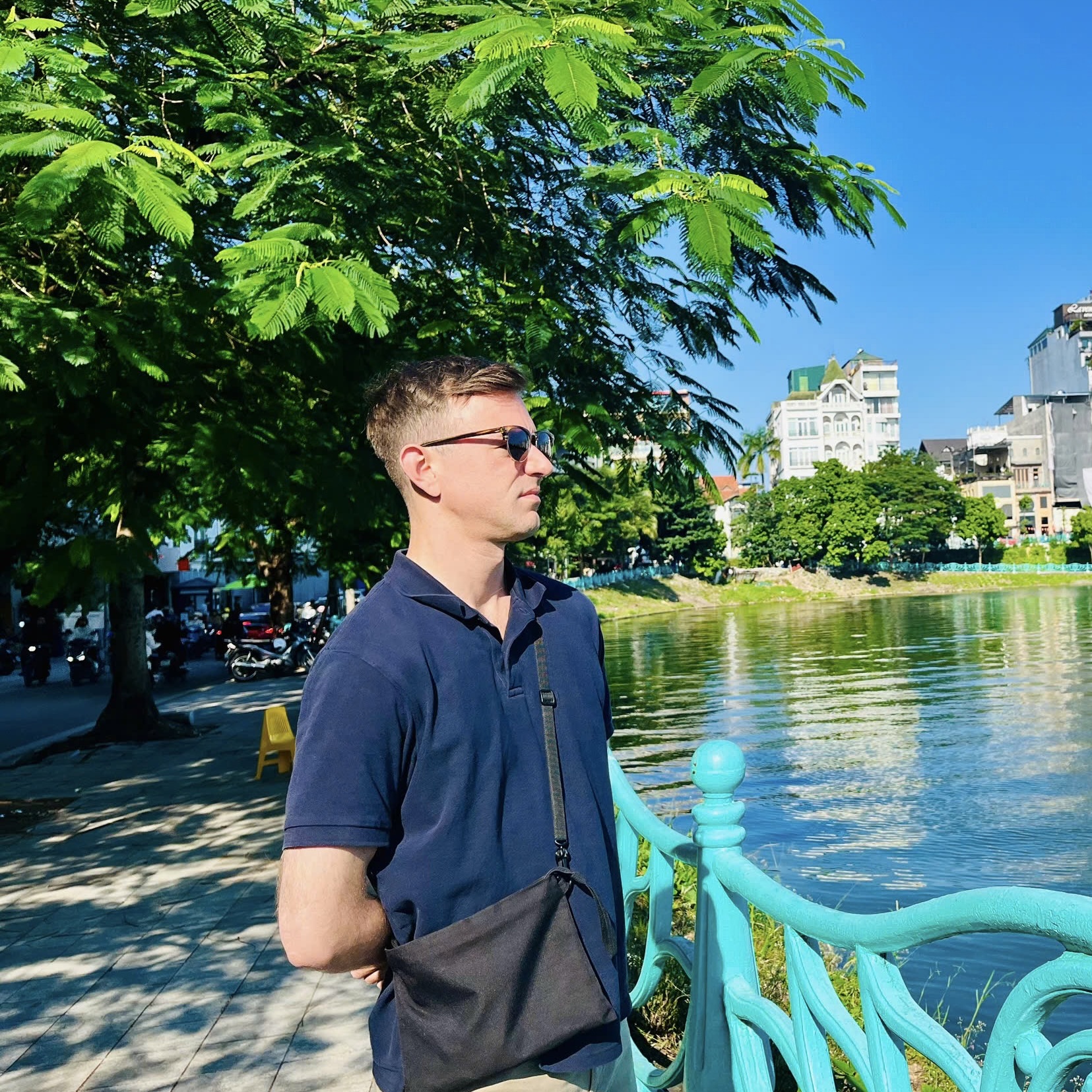
"Hi, I'm Tanner. I built Nomad for optimizers who want a real system — not just a subscription. You choose the direction, we handle the navigation. Pick your path and we'll route you there."
— Tanner
Chief Mushroom Officer