9 min read · Filed under: Immunity, Foundations, Recovery
The supplement market treats bee products as a single category — "bee stuff that's good for you." Royal jelly, propolis, and bee bread get blended together into capsules and tinctures with vague claims about immune support and vitality. The actual pharmacology is far more specific and far more interesting than the category treatment suggests.
These are three distinct substances, produced by bees through three different biological processes, containing three different classes of bioactive compounds, operating through three different primary mechanisms. The fact that they all come from a hive is about as pharmacologically relevant as the fact that aspirin and morphine both come from plants. To understand what each one does — and why combining them produces effects that none of them achieves alone — you need to understand each compound on its own terms.
Royal Jelly: The HDAC Inhibitor From the Queen's Diet
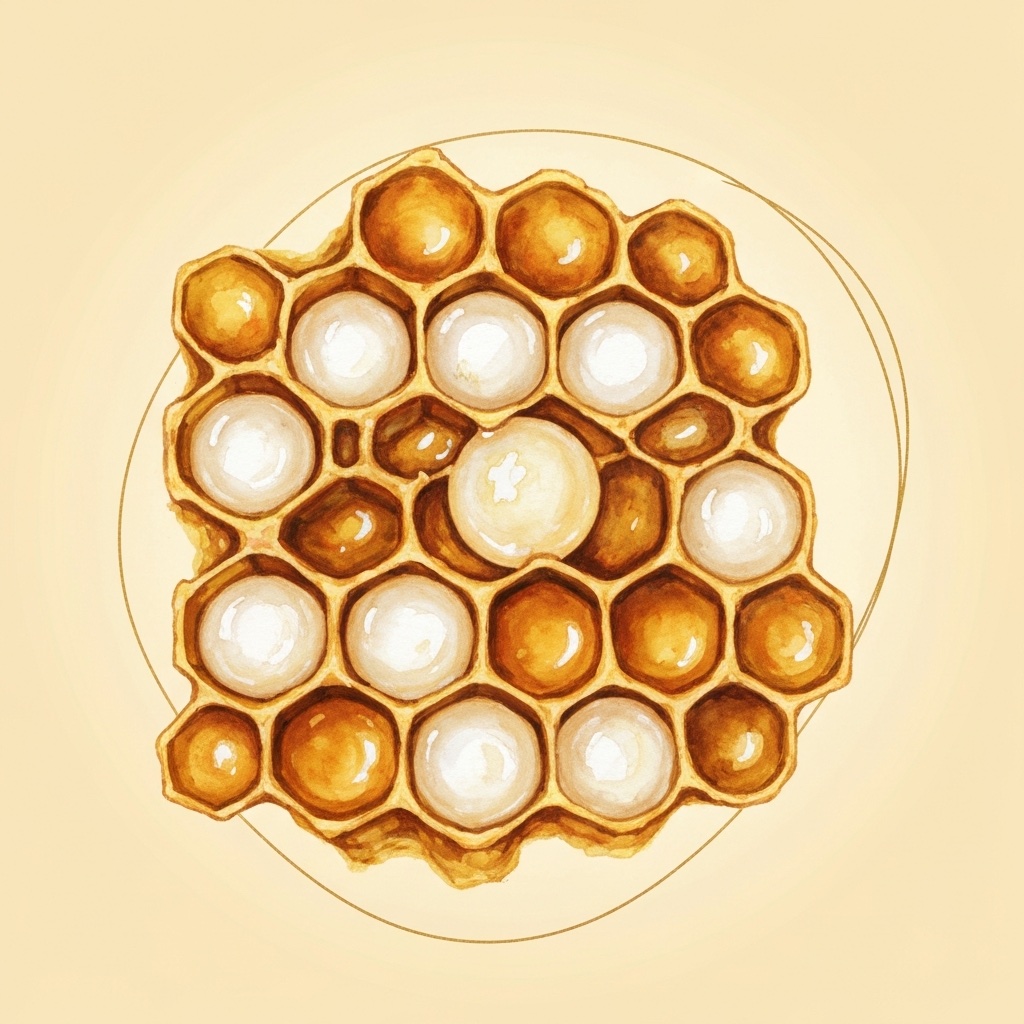
Royal jelly is a thick, milky-white secretion produced by nurse bees' hypopharyngeal and mandibular glands. It's fed to all bee larvae for the first three days of life, but only the queen continues to receive it exclusively for her entire lifespan. This dietary difference — royal jelly vs. pollen and honey — is what determines whether a genetically identical larva becomes a worker bee (lifespan: 6 weeks) or a queen (lifespan: 5 years). Same genome, radically different phenotype, determined entirely by nutrition.
The compound primarily responsible for this epigenetic divergence is 10-hydroxy-2-decenoic acid (10-HDA), a unique fatty acid found nowhere else in nature. 10-HDA constitutes approximately 3–6% of fresh royal jelly by weight and is the primary quality marker for royal jelly supplements — products are ideally standardized to 10-HDA content.
10-HDA's mechanism of action has been characterized as histone deacetylase (HDAC) inhibition. HDACs are enzymes that remove acetyl groups from histone proteins — the spools around which DNA is wound. When histones are deacetylated, DNA winds more tightly, silencing the genes in that region. When HDACs are inhibited (histones remain acetylated), chromatin stays open and genes remain accessible for transcription.
In the bee, 10-HDA's HDAC inhibition keeps specific developmental genes active that would otherwise be silenced — the genes responsible for queen morphology, reproductive development, and the metabolic programming that extends lifespan 40-fold. It's a purely epigenetic mechanism: no genetic mutation, no gene editing, just a dietary compound that alters which genes are expressed.
In humans, HDAC inhibition is a recognized pharmacological mechanism with broad implications:
Anti-inflammatory effects. 10-HDA has been shown to suppress NF-κB signaling — the master inflammatory transcription factor — through HDAC-mediated chromatin remodeling at inflammatory gene promoters. Studies in cell culture and animal models demonstrate reduced production of TNF-α, IL-6, and IL-1β in macrophages exposed to 10-HDA. This is a transcriptional-level anti-inflammatory effect — it doesn't just block one cytokine, it modulates the epigenetic accessibility of the entire inflammatory gene program.
Neurotrophic activity. 10-HDA and other royal jelly compounds have demonstrated the ability to stimulate nerve growth factor (NGF) and brain-derived neurotrophic factor (BDNF) expression — the growth factors responsible for neuronal survival, synaptic plasticity, and neurogenesis. A 2011 study in Biomedical Research showed that royal jelly supplementation improved cognitive function in elderly subjects, with proposed mechanisms including BDNF upregulation and cholinergic system support.
Metabolic regulation. Royal jelly has shown effects on insulin sensitivity, lipid metabolism, and adipocyte differentiation in multiple studies. A clinical trial demonstrated that 3g/day of royal jelly for 8 weeks significantly reduced fasting blood glucose and improved insulin resistance markers in type 2 diabetic patients. The mechanism appears to involve AMPK activation and improved mitochondrial function in metabolically active tissues.
The critical sourcing consideration for royal jelly is freshness. 10-HDA degrades with heat and time. Lyophilized (freeze-dried) royal jelly preserves 10-HDA content far better than heat-dried or liquid products that have been stored at room temperature. Products should specify 10-HDA content — ideally above 3.5% for freeze-dried preparations.
Propolis: The Hive's Antimicrobial Architecture
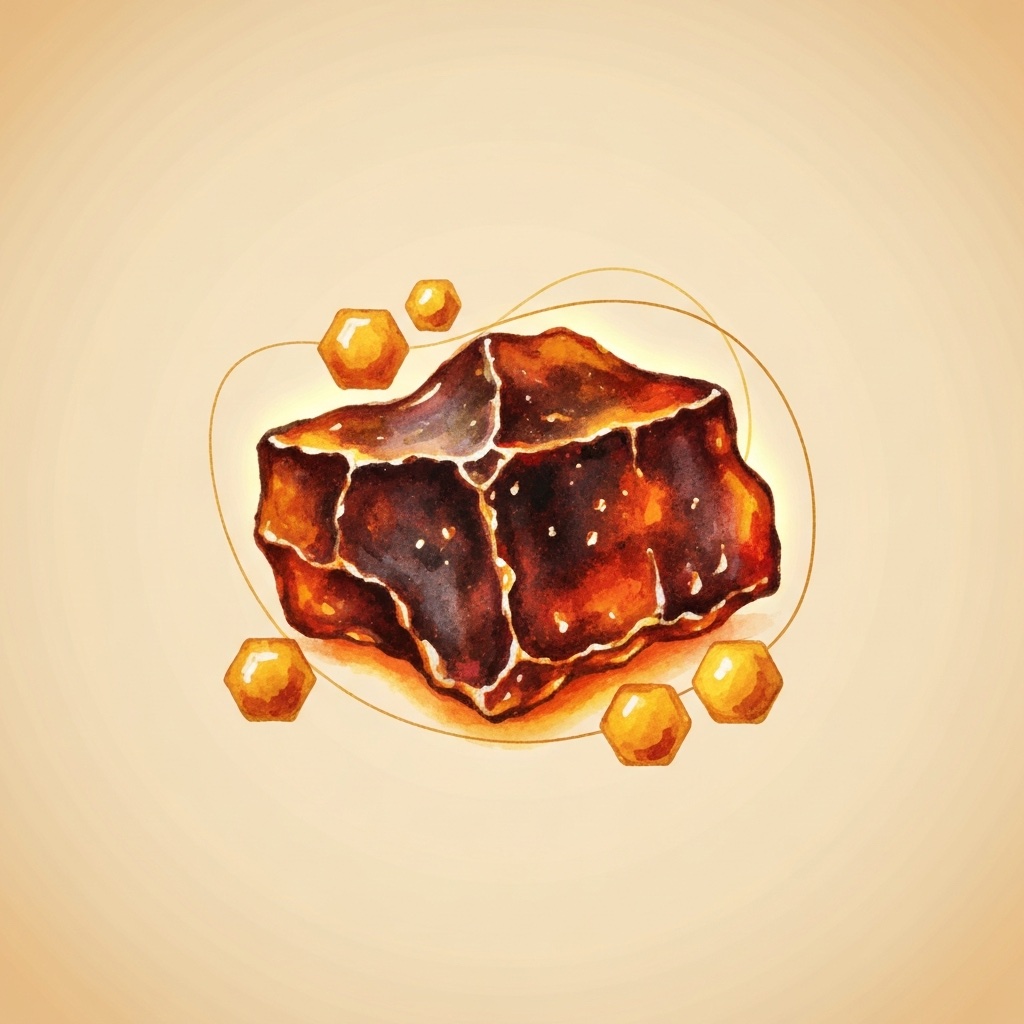
Propolis is a resinous mixture that bees produce by collecting plant resins and combining them with beeswax and salivary enzymes. In the hive, propolis serves as a structural antimicrobial — bees coat the interior surfaces of the hive with propolis to create a sterile environment. They also use it to embalm dead intruders (mice, lizards) that are too large to remove, preventing decomposition and pathogen release inside the hive.
The bioactive profile of propolis is complex — over 300 compounds have been identified — but the most pharmacologically significant class is the phenolic compounds, particularly caffeic acid phenethyl ester (CAPE) and related flavonoids (pinocembrin, galangin, chrysin).
CAPE — caffeic acid phenethyl ester — is the most studied propolis compound and has a mechanism that's unusual in natural products: it's a specific inhibitor of NF-κB nuclear translocation. CAPE doesn't just reduce NF-κB activity in a general anti-inflammatory way — it specifically prevents the NF-κB protein from moving from the cytoplasm into the nucleus, where it would bind to DNA and activate inflammatory gene transcription.
The pharmacological significance: NF-κB is the convergence point for virtually every inflammatory signaling cascade. TNF receptors, toll-like receptors, IL-1 receptors, and oxidative stress signals all converge on NF-κB activation. By blocking the nuclear translocation step, CAPE effectively puts a checkpoint on the entire inflammatory transcription program — regardless of which upstream signal triggered it.
This mechanism has been demonstrated in multiple cell types and disease models:
Immune modulation. CAPE reduces excessive inflammatory cytokine production without suppressing baseline immune function. In macrophage studies, CAPE-treated cells show reduced TNF-α and IL-6 secretion in response to LPS stimulation but maintain normal phagocytic activity and pathogen killing. This is the immunomodulatory profile — dampening the inflammatory overreaction without compromising the antimicrobial function.
Antimicrobial activity. Propolis extracts show broad-spectrum antimicrobial effects against Gram-positive bacteria (particularly Staphylococcus aureus and Streptococcus species), several Gram-negative species, and Candida fungi. The mechanism involves membrane disruption and inhibition of bacterial RNA polymerase. Clinical studies have demonstrated efficacy for oral health — propolis mouthwashes reduce plaque formation and gingivitis — and for upper respiratory infections.
Wound healing. The combination of anti-inflammatory and antimicrobial properties makes propolis effective for wound healing. Clinical studies have shown accelerated healing of burns, surgical wounds, and oral ulcers with topical propolis application. The mechanism is dual: CAPE reduces the excessive inflammation that delays healing, while the antimicrobial compounds prevent wound infection.
Antioxidant activity. Propolis flavonoids (pinocembrin, galangin, chrysin) are potent free radical scavengers with ORAC values comparable to or exceeding many well-known antioxidant compounds. Chrysin has additional interest as an aromatase inhibitor — it inhibits the enzyme that converts testosterone to estrogen, which has implications for hormonal balance, though the clinical significance at dietary doses is debated.
An important caveat about propolis: its composition varies significantly based on the plant resins available to the bees. European propolis (primarily from poplar resins) is rich in CAPE and flavonoids. Brazilian green propolis (from Baccharis dracunculifolia) contains artepillin C as its primary bioactive — a different compound with different pharmacology. Red propolis (from Dalbergia species in Brazil) has yet another profile. When evaluating propolis research, the botanical origin matters — findings from one type don't automatically apply to others.
Bee Bread: Fermented Pollen and the Bioavailability Problem
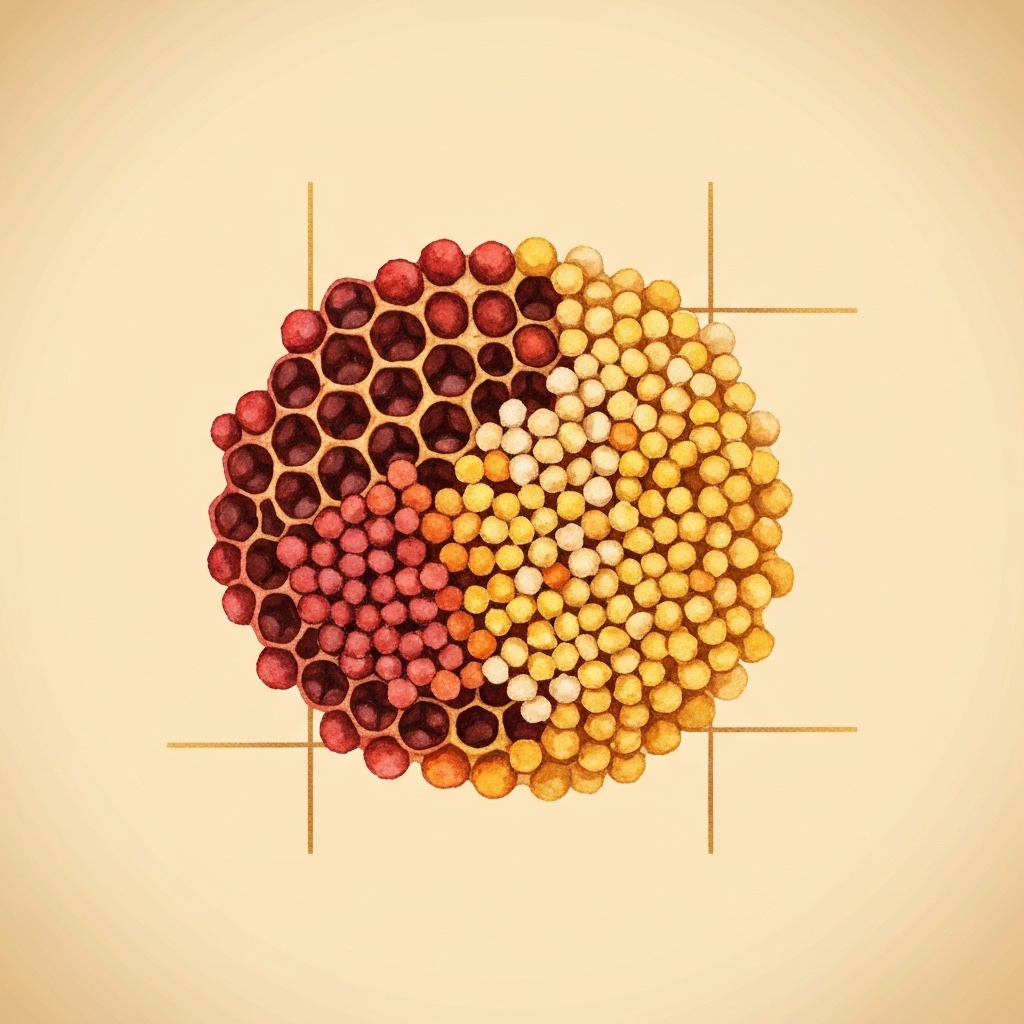
Bee bread is the least-known of the three hive compounds, and its mechanism is perhaps the most elegant. It starts as ordinary flower pollen — a nutritionally dense material containing proteins, lipids, vitamins, minerals, and phytochemicals. The problem with raw pollen is bioavailability: pollen grains are encased in a nearly indestructible outer shell called the exine, made of sporopollenin — one of the most chemically resistant biopolymers in nature. Sporopollenin survives geological timescales; the human digestive system doesn't have a great track record of breaking it down.
Bees solve this problem through lacto-fermentation. Worker bees pack pollen into honeycomb cells, add honey and salivary enzymes, and seal the cell. Over 2–3 weeks, lactic acid bacteria (primarily Lactobacillus species) ferment the pollen, producing lactic acid that lowers the pH to approximately 3.6–4.3. This fermentation process:
Breaks the exine wall. The combination of enzymatic action and acid production degrades the sporopollenin shell, releasing the nutritional contents that raw pollen locks away. Studies comparing nutrient bioavailability between raw pollen and bee bread consistently show dramatically higher bioavailability for proteins, amino acids, vitamins, and phenolic compounds from bee bread.
Pre-digests proteins. The fermentation process partially hydrolyzes pollen proteins into free amino acids and peptides — essentially pre-digesting them. Bee bread contains significantly higher concentrations of free amino acids than raw pollen, including all essential amino acids. This makes bee bread a surprisingly complete protein source in terms of amino acid profile, though not in terms of total protein quantity at typical serving sizes.
Generates new bioactive compounds. Fermentation produces compounds that aren't present in raw pollen — including organic acids (lactic acid, acetic acid), additional phenolic metabolites, and probiotic bacterial metabolites. Some of these fermentation products have independent bioactivity: lactic acid contributes to gut health, phenolic metabolites have enhanced antioxidant activity compared to their precursors, and the residual Lactobacillus populations in bee bread may contribute prebiotic effects.
Preserves nutrients. The acidic environment created by fermentation preserves vitamins and antioxidants that would degrade in raw pollen over time. Bee bread retains its nutritional value for months in the hive — the fermentation process is also a preservation technology.
The nutritional profile of bee bread is genuinely impressive: it contains all essential amino acids, vitamins B1, B2, B3, B5, B6, B9, C, D, E, and K, plus minerals including iron, zinc, selenium, manganese, and chromium. The concentrations of many of these nutrients are higher in bee bread than in the raw pollen it was made from — fermentation doesn't just improve bioavailability, it concentrates certain nutrients through microbial metabolism.
What makes bee bread pharmacologically distinct from a multivitamin providing the same nutrients is the whole-food matrix effect. The nutrients exist within a fermented biological structure that includes intact cell-wall fragments, polysaccharides, lipids, and microbial metabolites. This matrix affects absorption kinetics, nutrient interactions, and gut ecology in ways that isolated nutrients in a capsule don't replicate.

Three-Compound Synergy: Why the Combination Matters
The three hive compounds address immune and metabolic health through three entirely different mechanistic layers — and this non-overlap is precisely what makes the combination more effective than any single component.
Royal jelly (10-HDA) operates at the epigenetic level. HDAC inhibition modulates which genes are expressed — it adjusts the inflammatory and metabolic transcriptional program at the chromatin level. This is the deepest, most upstream layer of regulation. Changes in gene expression take hours to days to manifest but have the most fundamental and sustained effects.
Propolis (CAPE) operates at the signaling level. NF-κB inhibition blocks inflammatory signal transduction — it prevents the translation of inflammatory triggers into inflammatory gene activation. This is faster-acting than epigenetic modulation (minutes to hours) and provides the acute anti-inflammatory and antimicrobial defense layer.
Bee bread operates at the nutritional substrate level. By providing bioavailable vitamins, minerals, amino acids, and fermentation metabolites, bee bread ensures that the enzymatic machinery regulated by royal jelly and the immune cells modulated by propolis have the nutritional raw materials they need to function. No amount of epigenetic optimization or signal transduction modulation matters if the cells don't have adequate cofactors, substrates, and building blocks.
These three layers — epigenetic programming, signaling regulation, and nutritional substrate supply — are complementary and non-redundant. Each addresses a different bottleneck in the biological system:
- Royal jelly ensures the right genes are accessible for transcription
- Propolis ensures inflammatory signals are calibrated rather than excessive
- Bee bread ensures the cellular machinery has the raw materials to execute
This is why traditional apitherapy (medicinal use of bee products) has historically used all three together rather than in isolation — an empirical observation across cultures that predates the mechanistic understanding by centuries. Traditional Balkan, Chinese, and Egyptian medical practices all used hive-product combinations, and the biochemistry now explains why: the compounds are addressing different layers of the same biological systems.
The Clinical Data Landscape
An honest assessment of the human evidence for each compound:
Royal jelly has the most clinical trial data. Multiple RCTs have demonstrated effects on blood glucose regulation, lipid profiles (reduced LDL and total cholesterol), blood pressure, and cognitive function in elderly populations. A 2019 meta-analysis of 11 RCTs concluded that royal jelly supplementation significantly reduced fasting blood glucose, total cholesterol, and LDL cholesterol. Dosages in positive trials ranged from 1–3g/day of fresh royal jelly or 200–1000mg/day of lyophilized extract.
Propolis has strong clinical evidence for oral health (gingivitis, periodontitis, oral ulcers) and wound healing. Systemic immune and anti-inflammatory effects have been demonstrated in several clinical trials, including a 2019 RCT showing that Brazilian green propolis reduced upper respiratory tract infection duration in athletes by approximately 50%. The evidence is moderate for glycemic control and emerging for hepatoprotective effects.
Bee bread has the least human clinical data — most evidence is preclinical or observational. The nutritional composition is well-characterized, and the enhanced bioavailability compared to raw pollen is established in comparative absorption studies. Clinical trials specifically examining bee bread supplementation outcomes are still limited, though the mechanism (enhanced nutrient delivery from a fermented whole-food matrix) is biologically coherent and consistent with the broader fermented-food literature.
Safety and Contraindications
All bee products carry an inherent risk for individuals with bee or pollen allergies. Allergic reactions can range from mild (hives, itching) to severe (anaphylaxis). People with known bee sting allergies should approach bee products with caution and consider starting with minimal doses under medical supervision.
Royal jelly has the highest allergenic potential among bee products due to its protein content — specifically, major royal jelly proteins (MRJPs) can trigger IgE-mediated allergic reactions. Cases of asthma exacerbation and contact dermatitis have been reported.
Propolis can cause contact dermatitis in sensitive individuals, particularly with topical use. Oral propolis is generally well-tolerated, but cross-reactivity with balsam of Peru allergy has been documented.
Bee bread carries the same pollen allergy concerns as any pollen-containing product, though the fermentation process may modify some allergenic proteins. People with seasonal pollen allergies should introduce bee bread gradually.
Pregnant and breastfeeding women are typically advised to avoid royal jelly due to its hormonal activity — 10-HDA has demonstrated estrogenic effects in cell studies, and the clinical safety data during pregnancy is insufficient.
Sourcing Quality Markers
Royal jelly: Look for 10-HDA standardization (minimum 3.5% for lyophilized products). Freeze-dried forms preserve bioactivity better than liquid or heat-processed products. Source matters — Chinese royal jelly dominates the global market but quality varies widely; European and Australasian products tend to have more consistent quality control.
Propolis: The botanical origin determines the bioactive profile. European poplar-type propolis is standardized to CAPE and flavonoid content. Brazilian green propolis is standardized to artepillin C. Know which type the product contains and whether the standardization matches the research you're referencing.
Bee bread: Look for products from reputable apiaries that specify harvest timing and fermentation completeness. Quality bee bread has a distinctive sour-sweet taste from lactic acid fermentation — bland or purely sweet products may be inadequately fermented or adulterated with honey.
The Honest Frame
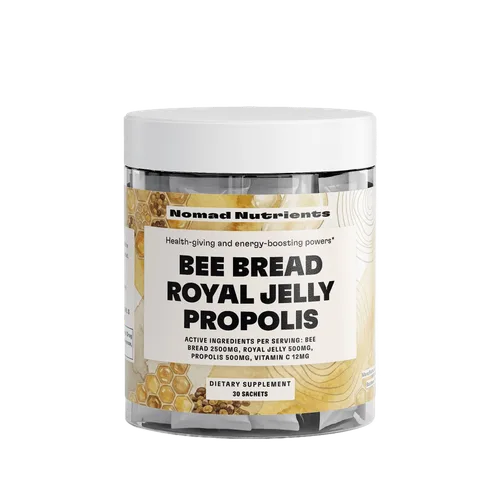
Royal jelly, propolis, and bee bread are not interchangeable "bee products" — they are three biochemically distinct substances with three distinct mechanisms of action. 10-HDA modulates gene expression through HDAC inhibition. CAPE modulates inflammation through NF-κB blockade. Fermented pollen provides bioavailable nutritional substrates through a lacto-fermentation process that solves the sporopollenin bioavailability problem.
The synergy isn't marketing — it's mechanistic complementarity. Epigenetic regulation, signal transduction modulation, and nutritional substrate supply are three different layers of biological organization, and addressing all three simultaneously produces a broader and more robust effect than targeting any single layer.
The human clinical evidence is strongest for royal jelly and propolis individually, with bee bread still building its clinical database. The traditional practice of combining all three has empirical validation spanning millennia and mechanistic justification from modern pharmacology. For the person who wants comprehensive immune and metabolic support from a single category of compounds — the hive provides a more coherent multi-target solution than most supplement stacks assembled from unrelated ingredients.
References
- Pasupuleti VR, et al. "Honey, propolis, and royal jelly: a comprehensive review of their biological actions and health benefits." Oxidative Medicine and Cellular Longevity, 2017.
- Spivak M, et al. "Propolis and bee health: the natural history and significance of resin use by honey bees." Apidologie, 2010.
- Sugiyama T, et al. "10-Hydroxy-2-decenoic acid (10-HDA) has HDAC inhibitory activity and induces neuronal differentiation." Biomedical Research, 2012.
- Natarajan K, et al. "Caffeic acid phenethyl ester is a potent and specific inhibitor of activation of nuclear transcription factor NF-κB." Proceedings of the National Academy of Sciences, 1996.
- Mohdaly AA, et al. "Bee bread: chemical composition, nutritional value, and therapeutic properties." Journal of Apicultural Research, 2020.
- Guo J, et al. "Royal jelly supplementation improves lipoprotein metabolism in humans: a meta-analysis of randomized controlled trials." Journal of Functional Foods, 2019.
- Silveira MAD, et al. "Effects of Brazilian green propolis on proteinuria and renal function in patients with chronic kidney disease: a randomized, double-blind, placebo-controlled trial." BMC Nephrology, 2019.
- Kieliszek M, et al. "Pollen and bee bread as new health-oriented products: a review." Trends in Food Science & Technology, 2018.