
9 min read · Filed under: Immunity, Gut Health, Recovery
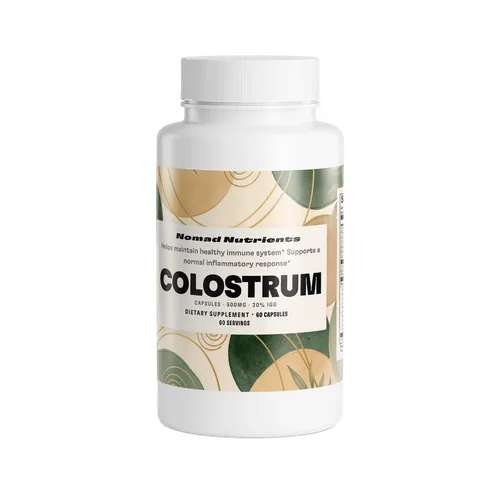
Colostrum is having a moment, and like most moments in the supplement world, the marketing has outpaced the mechanism. Instagram will tell you it's a gut-healing superfood, a skin-clearing miracle, a workout recovery shortcut. The clinical literature tells a more specific — and more interesting — story.
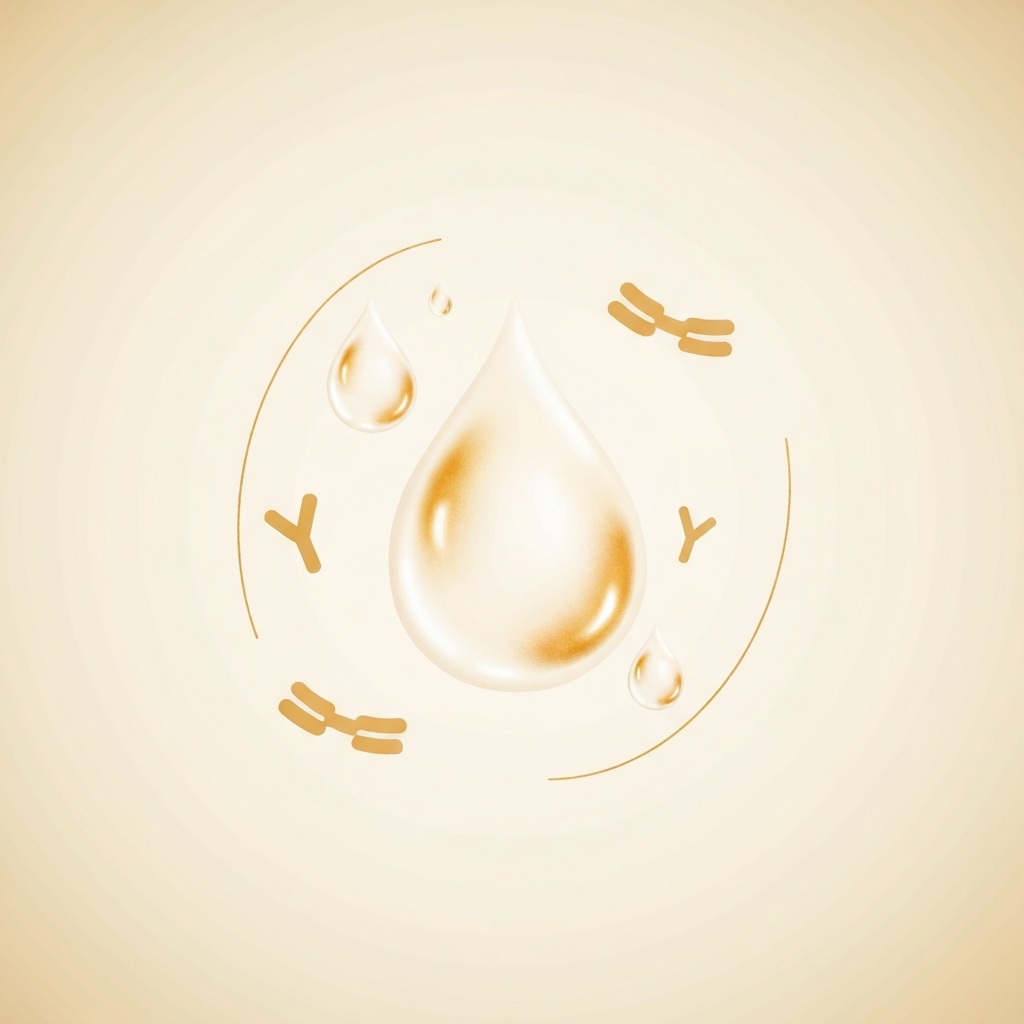
Bovine colostrum is the pre-milk fluid produced by cows in the first 24–72 hours after calving. It exists for one biological purpose: to transfer passive immunity and growth signals from mother to newborn before the calf's own immune and intestinal systems are functional. It is, in essence, an immune and developmental care package — densely concentrated with immunoglobulins, antimicrobial peptides, and growth factors that have co-evolved over millions of years to accomplish a very specific set of tasks.
What makes colostrum interesting as a supplement isn't the marketing narrative. It's the fact that the specific compounds it contains — IgG, lactoferrin, IGF-1, TGF-β, and proline-rich polypeptides — address mechanisms that probiotics don't touch. Understanding why requires understanding what these compounds actually do.