When to Take Every Supplement (The Complete Timing Guide)
Your body absorbs, metabolizes, and responds to nutrients differently depending on when you take them. Fat-soluble compounds taken without fat pass through you. Stimulatory adaptogens taken at night keep you up. Minerals taken together compete for the same transporters. This is the complete timing protocol — organized by window, with the pharmacokinetic reasoning behind every recommendation.

Most people treat supplements like a handful-at-breakfast situation. Everything goes down with coffee and toast, and that's the end of it. The problem is that fat-soluble compounds taken without fat pass through you. Stimulatory adaptogens taken at night keep you up. Minerals taken together compete for the same transporters.
Timing won't turn a bad supplement into a good one, but it determines whether the good ones you're already taking actually reach therapeutic levels. Here's the complete protocol, broken into five windows — with the pharmacokinetic reasoning behind each.
Morning With Breakfast: The Foundation Window
The morning meal is the foundation window — the supplements that benefit from food, morning cortisol rhythms, or simply need to clear your system before evening. The key constraint: fat-soluble vitamins (A, D, E, K) require dietary fat for micellar solubilization in the small intestine. Without co-ingested fat, these vitamins pass through largely unabsorbed. Taking a multi on an empty stomach also causes nausea in a significant percentage of people, because zinc and iron compete for divalent metal transporter 1 (DMT1) on an empty GI tract. B-vitamins (B6, B12, folate) are mildly stimulatory — late-day dosing can interfere with sleep onset in sensitive individuals.
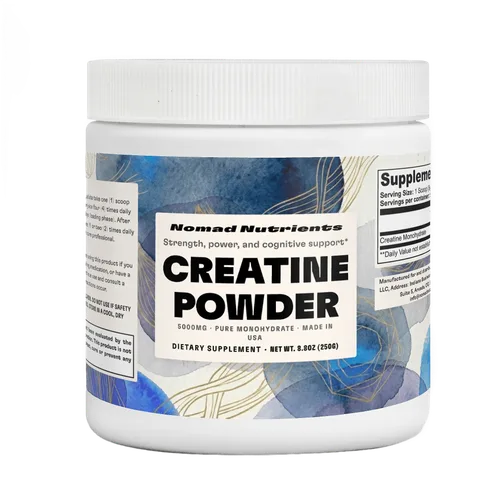
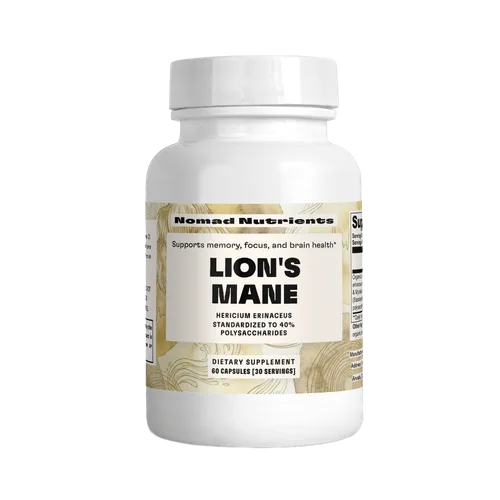
Creatine belongs here too, though for a different reason. Creatine doesn't need to be timed around workouts — that's a persistent myth from the bodybuilding era. Your phosphocreatine stores fill over weeks of consistent daily dosing, not from a single pre-workout scoop. Morning works because it's the most reliable habit anchor. The same logic applies to mushroom complexes: beta-glucan absorption benefits from food in the gut, and the nootropic compounds in lion's mane and cordyceps (hericenones, cordycepin) support daytime cognitive function. Cordyceps has mild stimulatory properties; lion's mane supports NGF synthesis — a daytime process.
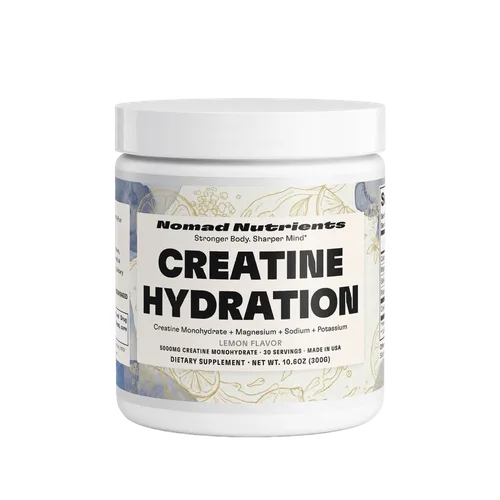
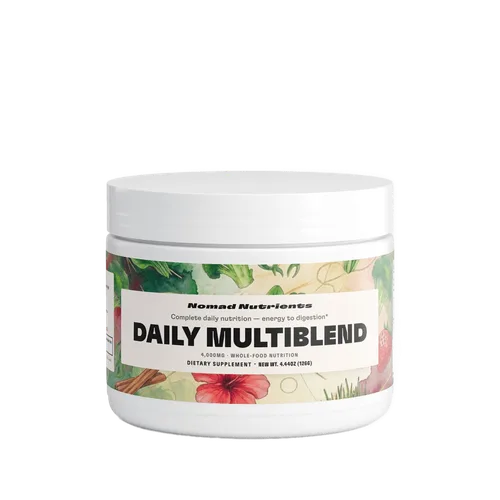
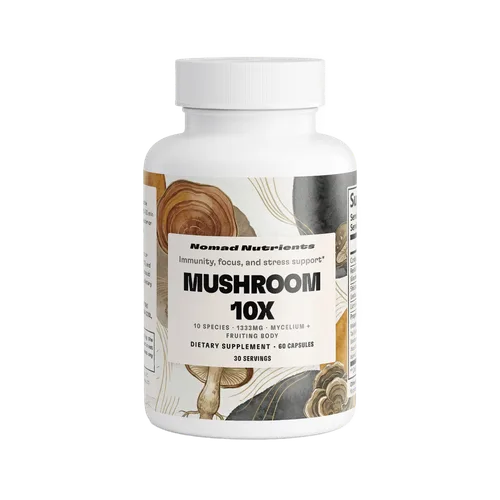
A daily multiblend with your first fat-containing meal (smoothie, eggs, avocado toast — anything with 5–10g of fat) ensures both fat-soluble vitamin absorption and GI tolerance. Creatine hydration powder with your morning water combines 5g creatine monohydrate with electrolytes, making the morning hydration routine do double duty — phosphocreatine saturation plus mineral replenishment. Mushroom 10x capsules with breakfast align the full-spectrum beta-glucan, hericenone, and cordycepin delivery with your productive window. All three benefit from morning food; all three benefit from consistent daily timing.
Pre-Work: 15 Minutes Before Your First Deep Block
This isn't breakfast timing — it's workflow timing. The goal is to have active compounds peak when you need sustained focus, not while you're still checking email. Most people take their energy supplement with breakfast at 7am, but their first real cognitive demand doesn't start until 9am. By then, peak plasma concentrations have already passed. Caffeine reaches peak levels in 30–60 minutes. L-theanine modulates the caffeine response through antagonism of excitatory glutamate signaling, smoothing the spike-crash pattern into sustained alertness. Adaptogens buffer the HPA axis response that high-dose caffeine alone triggers.
The distinction from simple coffee is pharmacological: coffee provides caffeine plus chlorogenic acids. The adenosine blockade creates alertness but also triggers cortisol release, narrows the dose-response window between focused and anxious, and builds receptor tolerance within 7–14 days through adenosine receptor upregulation. A formula combining caffeine with L-theanine and adaptogenic compounds produces a categorically different experience — sustained output without the jitter-crash cycle or the rapid tolerance buildup.
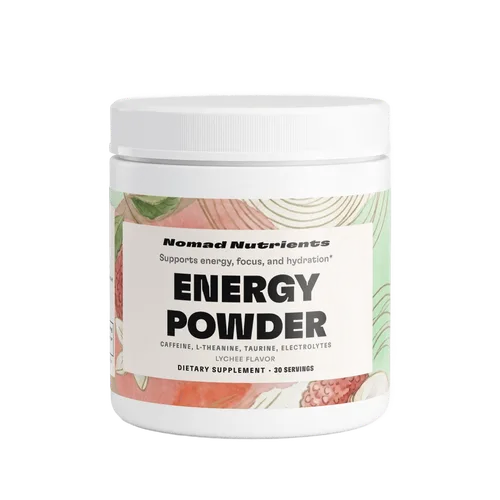
Take the energy powder — lychee splash format mixes into 8oz water — 15 minutes before your first deep work session. If deep work starts at 9am, dose at 8:45. This aligns peak blood levels with peak cognitive demand. Alpha energy follows the same protocol if you prefer capsule format. The pre-work window is about intentional pharmacokinetic alignment, not convenience: you want the compounds active when you need them, not when it's easiest to swallow them.
Don't shop alone. Build with Myco.
Tell Myco your goals. He'll pull the three compounds that fit your life and time-zone — locked-in founding pricing.
Midday With Your Largest Meal: The Fat-Soluble Window
Fat-soluble supplements belong with the meal most likely to contain enough dietary fat for proper absorption. This is the single most timing-dependent category in most stacks. EPA and DHA are fat-soluble fatty acids — pharmacokinetic studies show that taking omega-3s with a high-fat meal increases absorption by up to 300% compared to fasted dosing. The mechanism: dietary fat triggers bile salt secretion and mixed micelle formation in the duodenum, which solubilizes the omega-3 fatty acids for uptake across the intestinal epithelium. Without bile-mediated emulsification, most of the dose passes through unabsorbed.
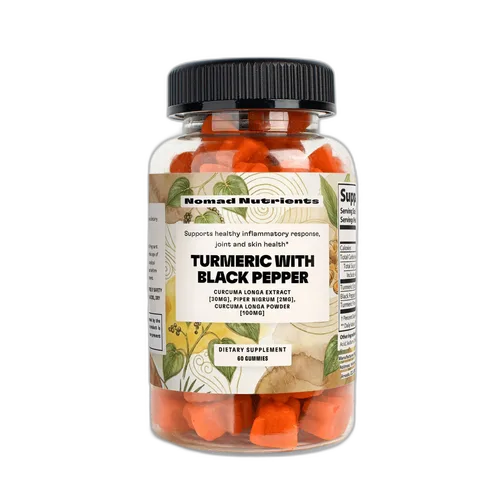
Curcumin faces the same constraint compounded by a metabolism problem. It's both fat-soluble (requiring lipid co-ingestion for absorption) and rapidly conjugated by UDP-glucuronosyltransferase and sulfotransferase enzymes in the gut wall and liver. Piperine addresses the metabolism half by inhibiting UGT and CYP3A4, producing the well-documented 2,000% bioavailability increase. But that increase assumes the curcumin was absorbed in the first place — which requires fat. Taking turmeric with piperine on a fat-free stomach gives you the metabolic protection without the absorption, which is half the equation.
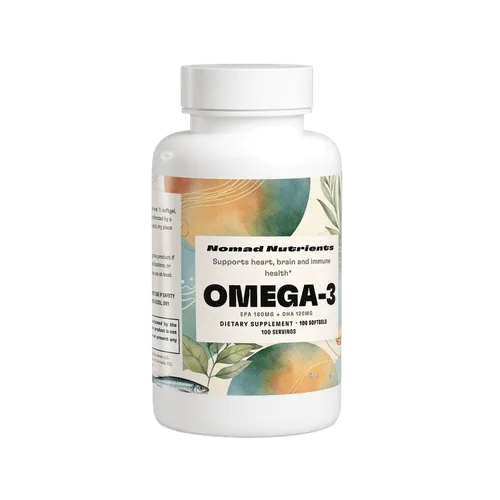
Take omega-3 capsules (EPA 180mg / DHA 120mg per cap) and turmeric-piperine with your largest meal containing fat — lunch or dinner, whichever includes olive oil, avocado, nuts, fatty fish, or any meaningful lipid source. For omega-3, the dose matters: most cardiovascular trials showing benefit used 1–2g combined EPA/DHA daily. A single capsule provides 300mg. You need 3–6 capsules to reach therapeutic range, and every one benefits from co-ingested fat. The turmeric-piperine combination follows the same rule: piperine handles the metabolic clearance, fat handles the absorptive step.
Evening Before Bed: The Recovery Window
The evening window is for compounds that support sleep architecture, benefit from overnight repair processes, or would interfere with daytime function if taken earlier. The hinge of sleep quality is the cortisol-melatonin crossover: cortisol should naturally decline from late afternoon through evening, reaching its nadir around midnight, while melatonin rises in the inverse pattern. When cortisol stays elevated past 9pm — chronic stress, screen exposure, late caffeine — the melatonin crossover is delayed and sleep onset suffers even if you're physically tired.
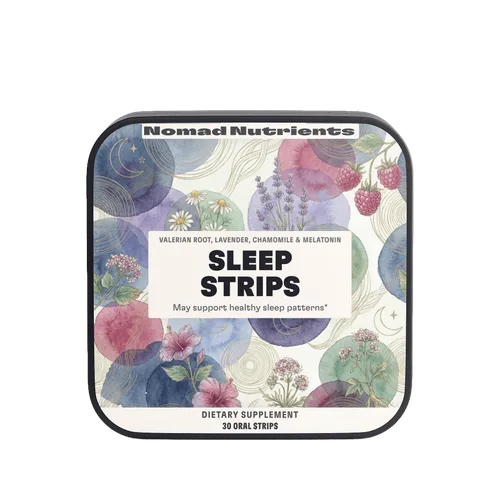
Ashwagandha (KSM-66 extract) reduces cortisol through modulation of the HPA axis. Morning dosing works for generalized anxiety management, but evening dosing specifically enhances sleep quality scores in clinical trials because it supports this cortisol-melatonin transition. Sublingual sleep strips bypass first-pass metabolism, meaning active compounds reach the bloodstream faster than capsule delivery — but "faster" still isn't instant. You need a 30–45 minute lead time: 10–15 minutes for sublingual absorption to peak blood levels, then an additional 15–30 minutes for the downstream neurological effects to manifest as drowsiness.
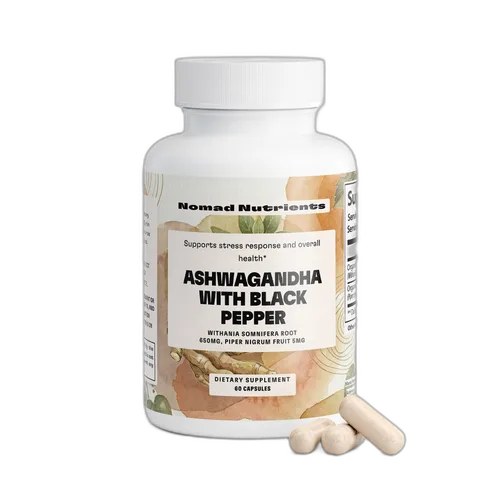
Ashwagandha with black pepper 30 minutes before bed — piperine increases withanolide bioavailability by inhibiting the same UGT enzymes it blocks for curcumin. The cortisol reduction builds over 2–4 weeks of consistent evening dosing. Sleep strips 30–45 minutes before your target sleep time — not before your wind-down routine, before you want to actually be asleep. The sublingual delivery reaches peak blood levels in 10–15 minutes, but neurological onset takes the additional window. The combination addresses both the cortisol axis (ashwagandha, building over weeks) and acute sleep onset (strips, working within the hour).
Flexible Timing: The Empty Stomach Compounds
Some supplements don't have a strong time-of-day preference. What matters is stomach contents. Collagen peptides are the clearest example: they're best absorbed when they don't compete with other proteins for peptide transporters in the gut. The hydroxyproline-containing di- and tripeptides that serve as fibroblast signaling molecules (Pro-Hyp, Hyp-Gly) are absorbed intact through PepT1 peptide transporters. When competing amino acids from a protein-rich meal saturate these transporters, fewer collagen-specific peptides get through.
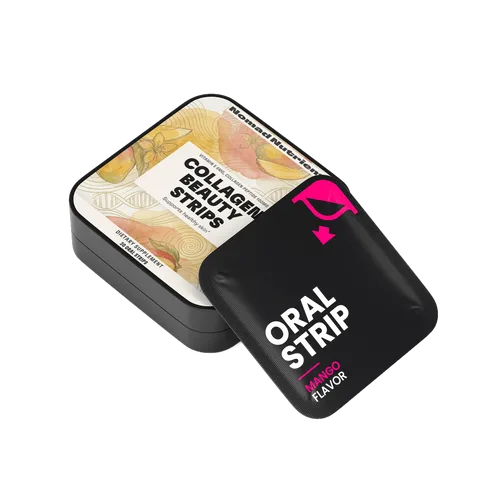
An empty stomach — first thing in the morning or an hour before bed — gives collagen peptides a clear absorption window. Sublingual delivery formats bypass this constraint entirely: collagen boost strips absorb through the oral mucosa and enter the bloodstream directly — no GI competition, no food-timing requirement. This makes the sublingual format genuinely more flexible than powder or capsule forms for people whose schedules don't allow reliable empty-stomach windows.
Collagen boost strips: morning or evening, with or without food — sublingual delivery makes timing irrelevant. Collagen powder (if using the hydrolyzed peptide format): on an empty stomach, either 30 minutes before breakfast or an hour before bed. The morning window is easier for most people to maintain consistently. The underlying principle: avoid co-ingesting collagen with other protein sources that would compete for PepT1 transporter bandwidth. If you're adding collagen to a protein smoothie, the convenience is real but the absorption is suboptimal — you're diluting the signaling peptides among generic amino acids.
If you're taking five or more supplements, the simplest approach is to build an AM stack and a PM stack. Everything morning-window goes into one routine. Everything evening-window goes into another. The midday fat-soluble group goes with lunch. The pre-work compounds sit on your desk, not in your kitchen cabinet.
Timing is the lowest-cost optimization in supplementation. The compounds you're already buying become significantly more effective when they reach the right tissue at the right concentration at the right time. Nothing changes about what you take — only when.
Key Ingredients

Potassium
Potassium Citrate

Magnesium
Magnesium Oxide

Sodium
Sodium Citrate

Taurine
2-aminoethanesulfonic acid

Natural Caffeine
Caffeine (from Green Tea)

L-Theanine
L-γ-glutamylethylamide
EPA
Eicosapentaenoic Acid

DHA
Docosahexaenoic Acid

Valerian Root
Valeriana officinalis

Lavender
Lavandula angustifolia

Chamomile
Matricaria chamomilla

Collagen Peptide
Hydrolyzed Collagen

Vitamin E
DL-alpha-Tocopherol
Three products. One protocol.
Pick 3. Save 25%. Free shipping every order. Myco cycles compounds monthly so your body never plateaus — and you never run out.
I built Nomad Nutrients because the supplement aisle is broken. Timing, dosing, and stack design matter more than the latest hero ingredient. We get the boring stuff right so you don't have to.
Build a stack from this article
$79.27$105.70
Comments
Leave a Comment
Keep reading.
How to Build Your First Supplement Stack (Without Wasting Money)
The supplement aisle is designed to overwhelm you into buying nothing or buying everything. Neither is correct. Here's a tiered framework — start at the foundation, add based on your goal, and only advance when the previous tier is habitual. Each tier is complete on its own. You don't need Tier 3 to benefit from Tier 1.
The 6 Supplements That Actually Have Clinical Evidence (And How to Stack Them)
Most supplements don't have clinical evidence worth citing. These six do — here's the specific research, the mechanism, and how they compound when stacked together.
5 Supplements for Dads and Dads-to-Be
Nobody tells you that becoming a dad is a physiological event — not just an emotional one. Your sleep architecture collapses. Your cortisol stays elevated for months. Your immune system gets stress-tested by every daycare pathogen your kid brings home. And if you're not a dad yet but trying to be, your sperm quality is shaped by the same compounds that will keep you functional after the baby arrives. Five supplements that serve both sides of the transition.
6 Reasons You're Tired That Have Nothing to Do With Sleep
You're sleeping enough. You're still exhausted. Fatigue that doesn't respond to rest is almost always upstream of sleep — here are six physiological reasons and the compounds that address each one.
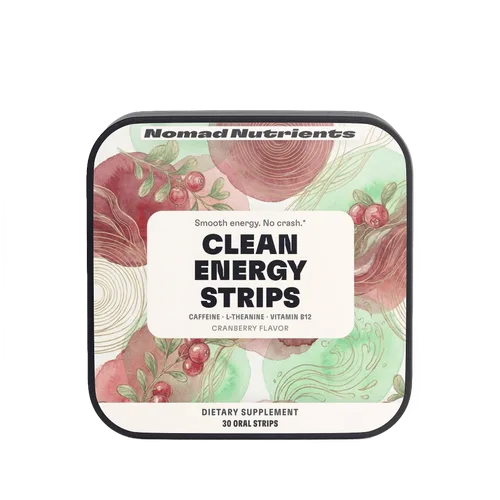
5 Reasons You Crash at 2pm (And the Compound Fix for Each)
The afternoon energy crash isn't one problem — it's five distinct biological failure modes, each with a different root cause and a different compound fix. Here's how to find yours.
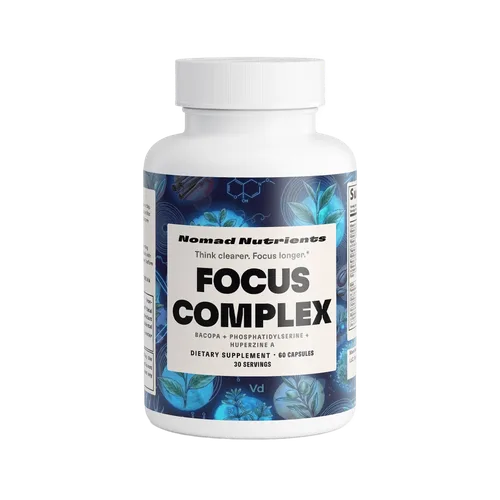
The Men's Supplement Stack After 40: What Actually Changes and What to Do About It
Something shifts in your 40s. Recovery takes longer, energy plateaus earlier in the day, and the things that used to take care of themselves quietly stop doing so. Several biological systems that were silently declining since your late 20s reach a threshold where you feel it. Here are the six compounds with evidence to address what's actually changing — in order of priority.
Shop the products.
Creatine Hydration Powder (Lemon)
Stack price · Save 25%
Energy Powder (Lychee)
Stack price · Save 25%
Omega-3 EPA 180mg + DHA 120mg
Stack price · Save 25%
Sleep Well Strips
Stack price · Save 25%
Four products. Earned their place in every stack.
These float to the top of nearly every Smart Stack — broad pathway coverage, strong evidence, real doses. Curated by Myco, rotated when something better comes along.
Mushroom 10X
Ten species in one capsule — the whole-spectrum support for immunity, focus, and energy.
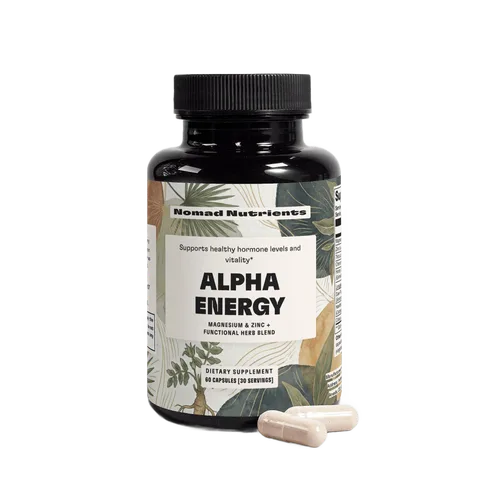
Alpha Energy
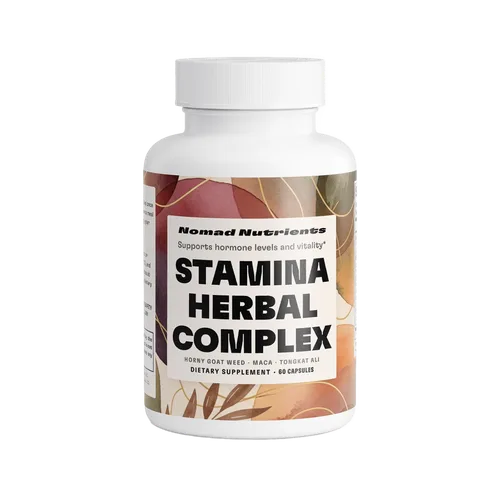
Testosterone. Energy. Drive. — Zinc, magnesium, and Tongkat Ali for natural vitality and peak performance.
Creatine Powder
The most-studied compound on earth. 5g pure — for stronger muscle and sharper thinking.
Ashwagandha
Cortisol control, calm focus, and deep recovery — the adaptogen that earns its place in every stack.
Founder’s Story
"Hi, I'm Tanner. I built Nomad for optimizers who want a real system — not just a subscription. You choose the direction, we handle the navigation. Pick your path and we'll route you there."
— Tanner
Chief Mushroom Officer