5 Hormonal Shifts Women Navigate That Most Supplements Ignore
Cyclical energy, libido decline, hair thinning, cortisol-progesterone competition, and the beauty stack gap — five hormonal realities that generic supplements weren't designed for.


The supplement industry was built on male physiology. Clinical trials have historically skewed male. Dosing guidelines are based on male body weight and hormonal profiles. The result: most supplements are designed for a hormonal environment that doesn't cycle, doesn't fluctuate monthly, and doesn't undergo the specific transitions that define female biochemistry from puberty through menopause.
Women's hormonal landscape isn't a variation on the male default — it's a fundamentally different operating system with its own resource requirements, timing sensitivities, and failure modes. Here are five hormonal shifts that most supplement protocols completely ignore, and what specifically addresses each one.
Your Energy Fluctuates on a Monthly Cycle — Your Supplements Don't
Estrogen and progesterone don't just regulate reproduction — they modulate energy metabolism, neurotransmitter synthesis, and mitochondrial function on a 28-day cycle. During the follicular phase (days 1–14), rising estrogen enhances insulin sensitivity, serotonin synthesis, and mitochondrial efficiency — energy is higher, mood is more stable, cognitive performance peaks. During the luteal phase (days 15–28), progesterone dominance shifts metabolism toward fat oxidation, reduces serotonin availability, and increases GABA activity — energy patterns change, sleep architecture shifts, and the body's resource demands are fundamentally different.
Taking the same supplements at the same doses on the same schedule every day of the month ignores this cyclical reality. The body's needs in week one are not its needs in week three, and supplementing as if they are means you're either under-supporting or over-supporting at any given point in the cycle.
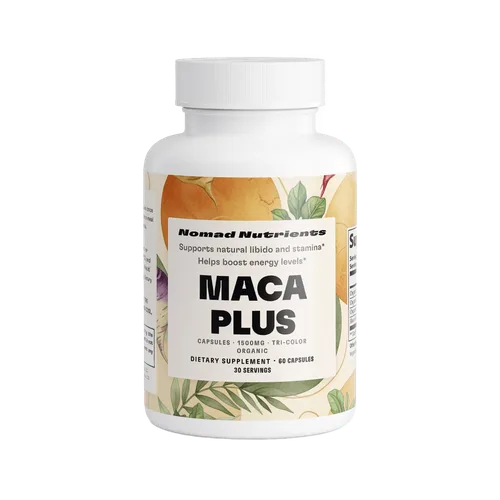
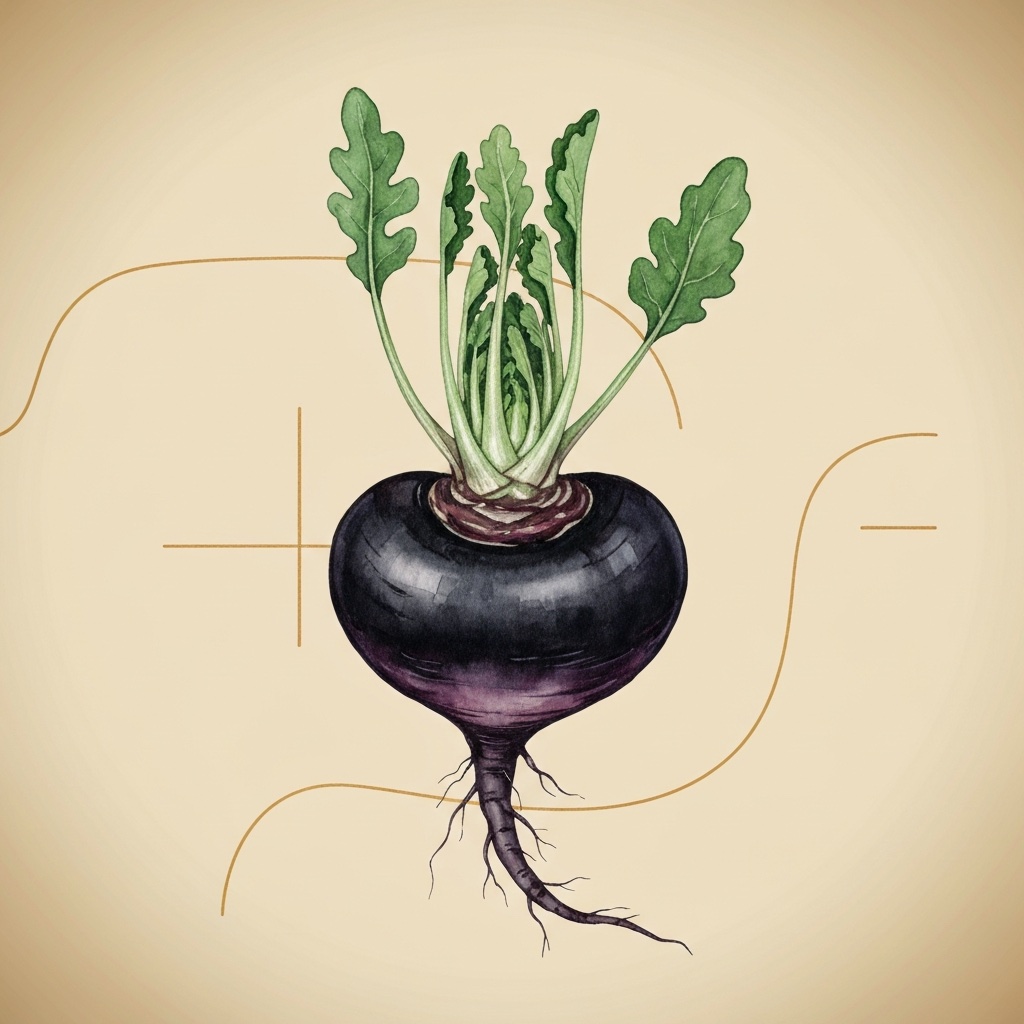
Maca root — specifically gelatinized maca, which removes the starch fraction that causes GI discomfort — acts on the hypothalamic-pituitary-gonadal (HPG) axis without containing phytoestrogens or directly supplying hormones. It supports the body's own hormonal regulation, which means its effect adapts to where you are in your cycle rather than overriding the cycle with an exogenous hormone signal. Clinical trials in women show improvements in energy, mood stability, and hormonal balance markers across the full menstrual cycle — not just during one phase. The mechanism is regulatory rather than supplemental, which is what makes it appropriate for a system that's supposed to fluctuate.
Libido Decline Isn't Just Stress — It's Biochemical
Female sexual desire is not a single-variable system. It involves estrogen (for vaginal tissue health and arousal sensitivity), testosterone (women produce it too, and it drives desire directly), dopamine (the motivation and reward neurotransmitter), nitric oxide (for genital blood flow), and the absence of excessive cortisol and prolactin (both of which actively suppress desire). Hormonal contraceptives, chronic stress, post-partum changes, and perimenopause each disrupt different combinations of these variables.
The common advice — "reduce stress" or "communicate with your partner" — addresses the psychological layer while the biochemical layer continues running impaired. For many women, desire doesn't decline because of relationship dynamics. It declines because the neurochemical infrastructure that generates desire is under-resourced.
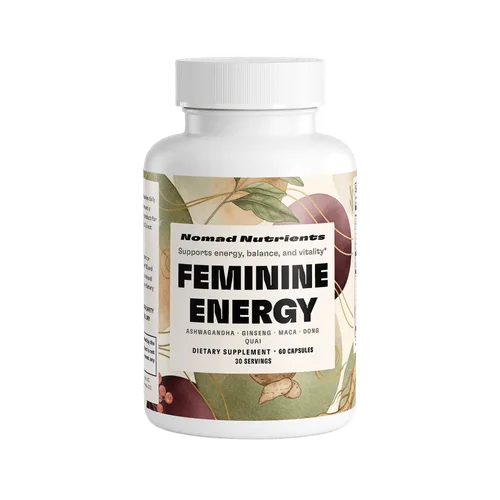
A targeted female enhancement formula addresses the multi-variable nature of desire by supporting multiple pathways simultaneously: maca for HPG axis regulation and dopaminergic tone, tribulus terrestris for androgen receptor sensitivity, ashwagandha for cortisol reduction (removing the hormonal brake on desire), and L-arginine for nitric oxide-mediated blood flow. The combination approach matters because desire is not a single neurotransmitter — it's an emergent property of multiple systems being adequately resourced at the same time. Addressing one pathway while the others remain impaired produces the partial, inconsistent results that make most libido supplements feel ineffective.
Don't shop alone. Build with Myco.
Tell Myco your goals. He'll pull the three compounds that fit your life and time-zone — locked-in founding pricing.
Hair Thinning After 30 Is Hormonal, Not Cosmetic
Female pattern hair thinning — diffuse thinning across the crown rather than the male receding hairline pattern — affects approximately 40% of women by age 50. The primary driver is shifting androgen ratios: as estrogen declines (gradually after 35, sharply in perimenopause), the relative influence of androgens on hair follicles increases. DHT (dihydrotestosterone) — even at normal female levels — shortens the anagen (growth) phase of the hair cycle when estrogen is no longer providing its protective counterbalance.
Iron deficiency — the most common nutritional deficiency in premenopausal women due to menstrual blood loss — compounds the problem. Ferritin (stored iron) below 40 ng/mL is associated with increased hair shedding even when hemoglobin levels appear normal. Biotin deficiency, thyroid dysfunction, and protein insufficiency each contribute independently. Hair thinning is rarely one cause — it's a convergence of hormonal and nutritional factors that topical products can't reach.
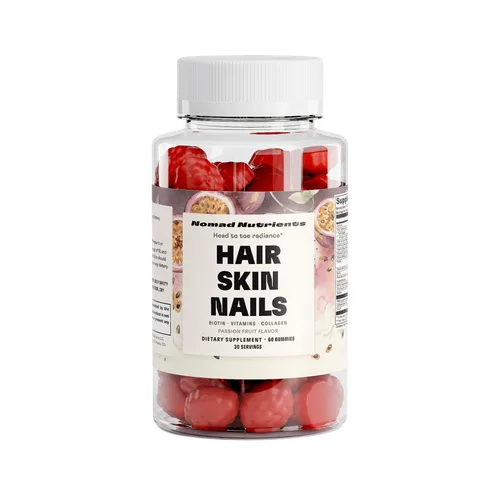
A comprehensive hair, skin, and nails formula combining biotin (for keratin infrastructure), hydrolyzed keratin (pre-formed structural protein), MSM (organic sulfur for the disulfide bonds that give hair its strength), and supporting vitamins addresses the structural protein synthesis chain that determines hair quality at the follicle level. The gummy format ensures consistent daily compliance — which matters because hair growth operates on a 3–6 month cycle, and inconsistent supplementation produces inconsistent results. For hormonal hair thinning specifically, this provides the nutritional substrate that allows whatever follicular activity remains to produce the highest quality output possible.
Cortisol Is Stealing Your Progesterone
Cortisol and progesterone share a precursor: pregnenolone. Under chronic stress, the adrenal glands increase cortisol production by diverting pregnenolone away from progesterone synthesis — a phenomenon sometimes called the "pregnenolone steal." The result: elevated cortisol and depleted progesterone simultaneously. This creates a specific symptom cluster that many women recognize: anxiety that worsens premenstrually, luteal phase mood instability, shortened cycles, and sleep disruption in the second half of the cycle when progesterone should be promoting calm and deeper sleep.
The cruel efficiency of this mechanism is that stress — which is supposed to be temporary — directly undermines the hormonal system that would otherwise provide stress resilience. Chronically stressed women lose progesterone precisely when they need it most, creating a self-reinforcing loop that willpower and stress management techniques alone can't break.
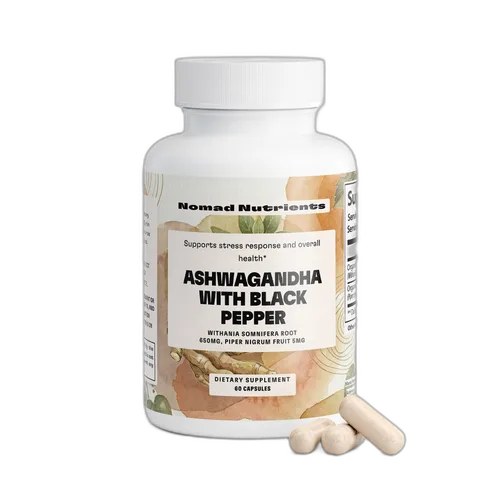
Ashwagandha with black pepper addresses the pregnenolone steal at its source by reducing cortisol demand on the adrenal axis. In randomized controlled trials, ashwagandha produces cortisol reductions in the 20–30% range over 60 days — which doesn't just reduce stress symptoms but frees up pregnenolone for progesterone synthesis. The downstream effects on hormonal balance are meaningful: improved luteal phase stability, reduced premenstrual anxiety, and better sleep architecture in the second half of the cycle. Piperine from black pepper enhances ashwagandha bioavailability significantly. This isn't a progesterone supplement — it's the intervention that allows your body to produce its own progesterone again by removing the cortisol demand that's diverting its precursor.
The Beauty Stack Gap Is Structural, Not Cosmetic
Skin, hair, and nails share the same structural proteins (collagen, keratin, elastin) and the same trace mineral cofactors (zinc, silica, selenium, sulfur). They also share the same deprioritization pattern: when resources are scarce, the body diverts nutrients to vital organs and away from these non-essential structures. The visible result — dull skin, brittle nails, thinning hair — isn't a cosmetic problem. It's a systemic signal that structural protein synthesis and mineral availability are running below the threshold required to maintain these tissues.
Topical products address the surface. Internal supplementation addresses the supply chain. For most women over 30, the gap between what their body needs to maintain skin, hair, and nail quality and what their diet provides is widening annually — and it's widening faster during periods of hormonal transition, stress, or inadequate nutrition.
The beauty stack covers the structural protein and mineral pathways simultaneously — collagen peptides for fibroblast stimulation and dermal density, trace minerals for the cofactors that structural protein synthesis depends on, and targeted hair-skin-nails support for keratin infrastructure and the sulfur bonds that give hair and nails their strength. Three products, each addressing a distinct layer of the structural maintenance system. For women navigating hormonal transitions where these tissues are under-resourced by default, covering all three layers is the difference between managing visible decline and providing the substrate for maintenance.
Biotin and vitamins + 20 g collagen peptides + night repair = Both sides of the barrier
Feeds skin, hair and nails from the inside, then repairs them while you sleep.


These five shifts are not edge cases. They're the baseline hormonal reality for most women at some point between 25 and 55. Supplement protocols designed for a non-cycling, non-transitioning physiology will always leave gaps — because the physiology they were designed for is fundamentally different from the one they're being asked to support.
Start with the shift that's most present for you right now. Build from there as your body's needs evolve — because they will.
Key Ingredients
Black Maca Root
Lepidium meyenii (black ecotype)
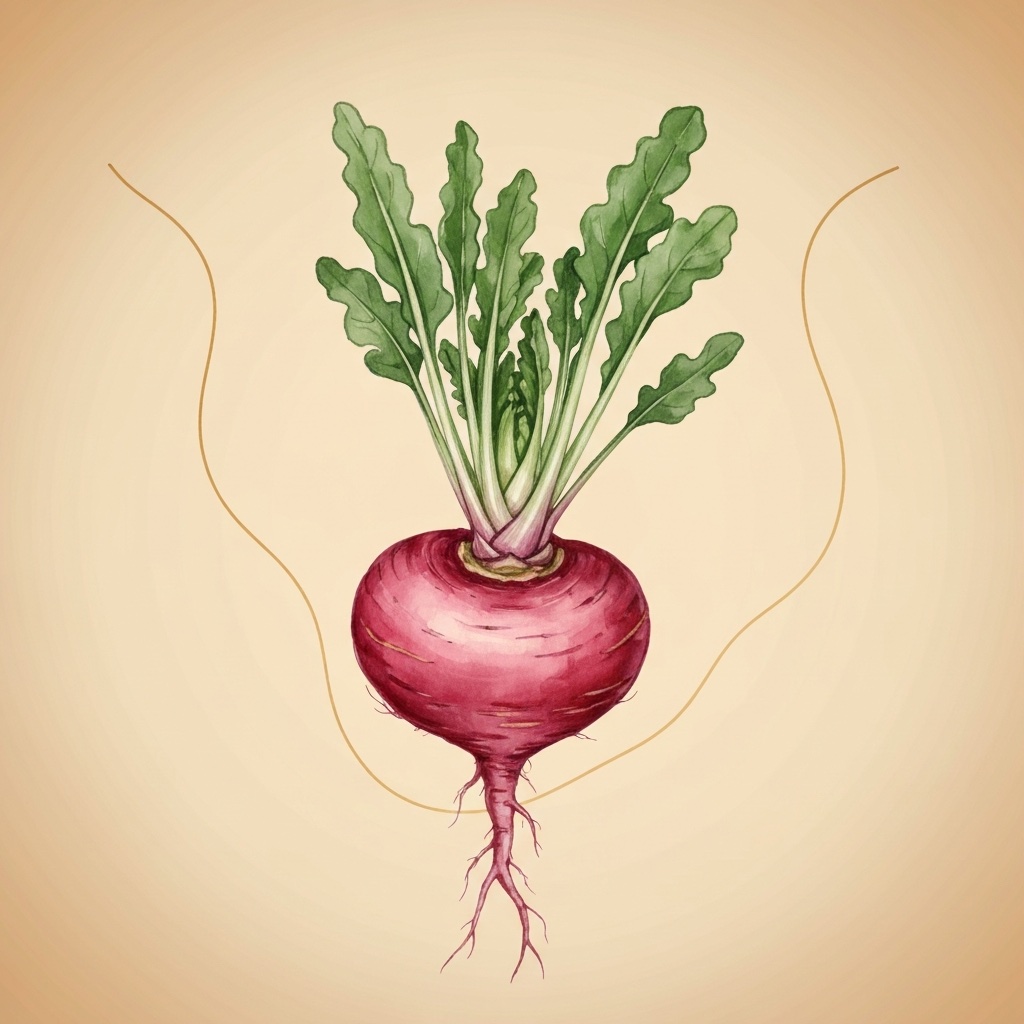
Red Maca Root
Lepidium meyenii (red ecotype)
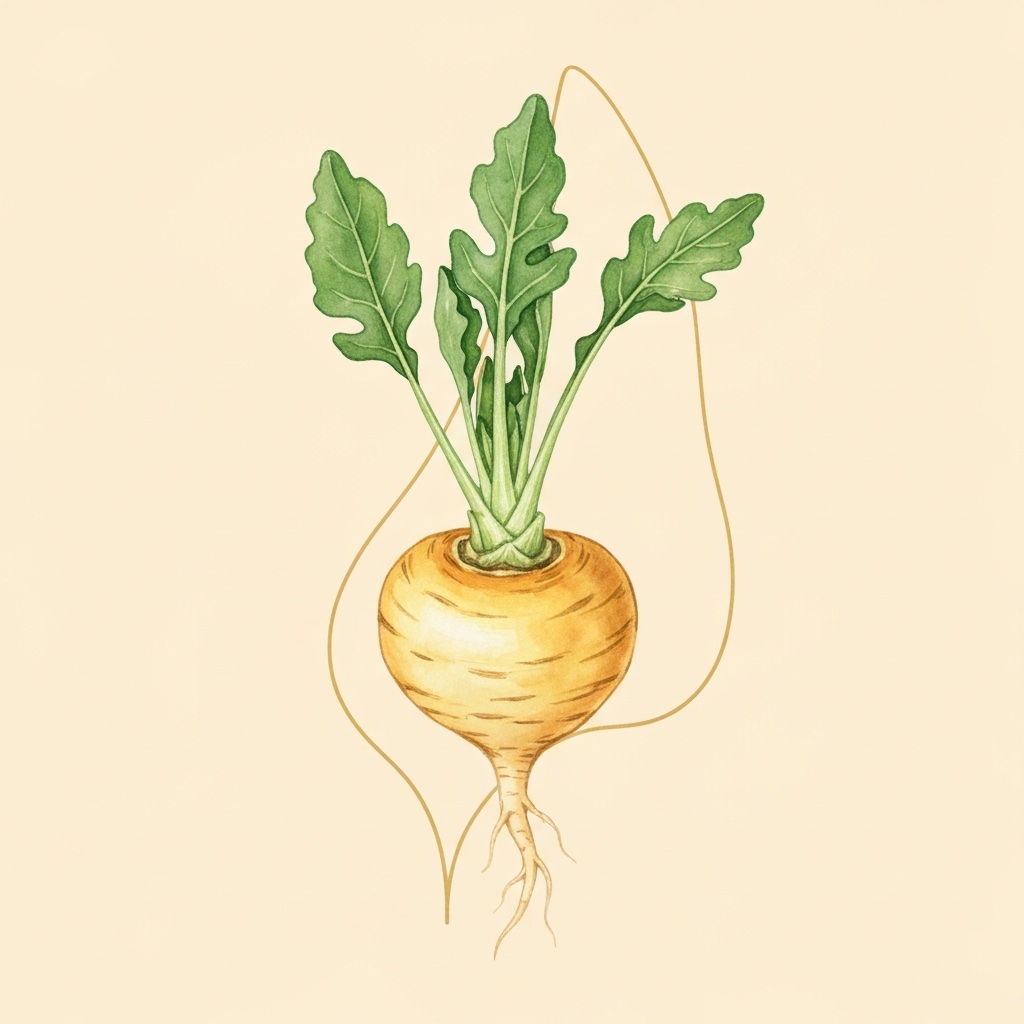
Yellow Maca Root
Lepidium meyenii (yellow ecotype)
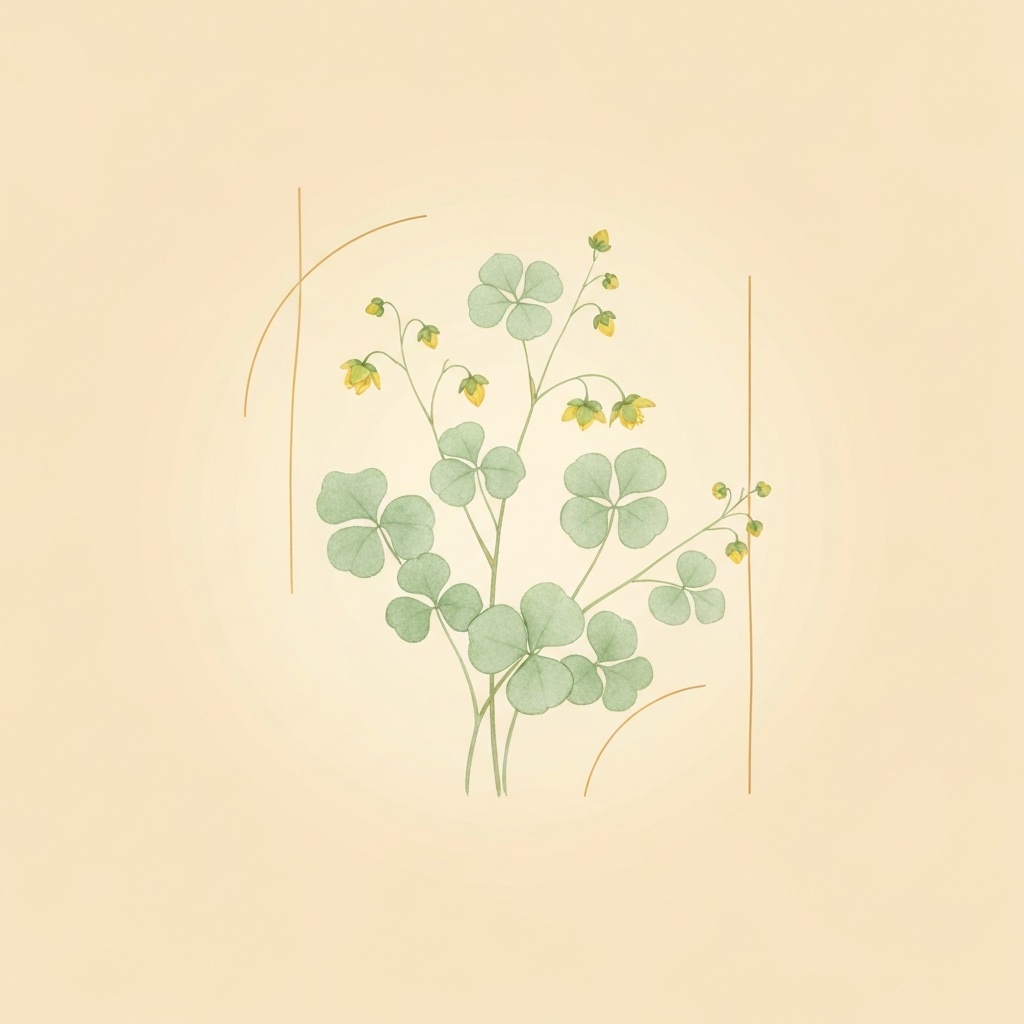
Epimedium (Horny Goat Weed)
Epimedium sagittatum

L-Arginine
L-Arginine
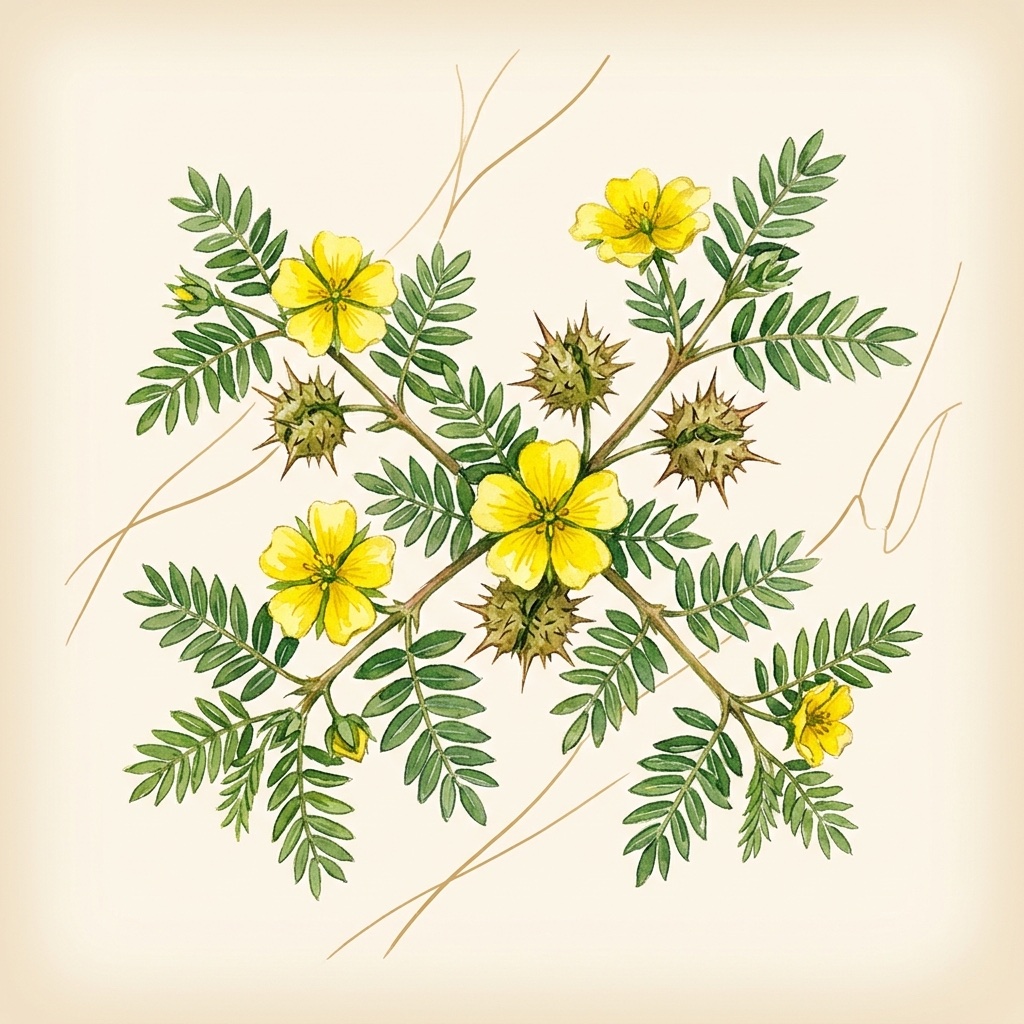
Tribulus Terrestris
Tribulus terrestris

Vitamin C
Ascorbic Acid

Vitamin E
DL-alpha-Tocopherol

Collagen Peptide
Hydrolyzed Collagen
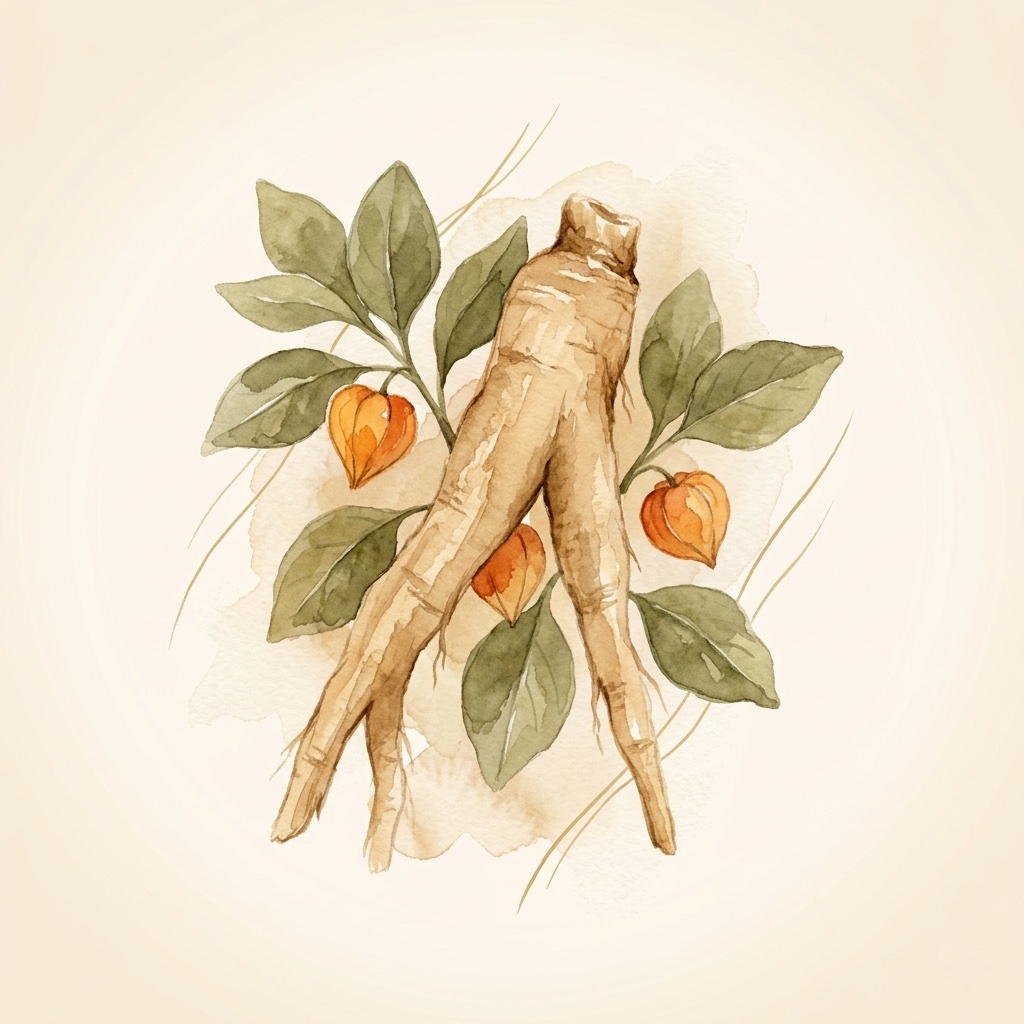
Ashwagandha
Withania somnifera
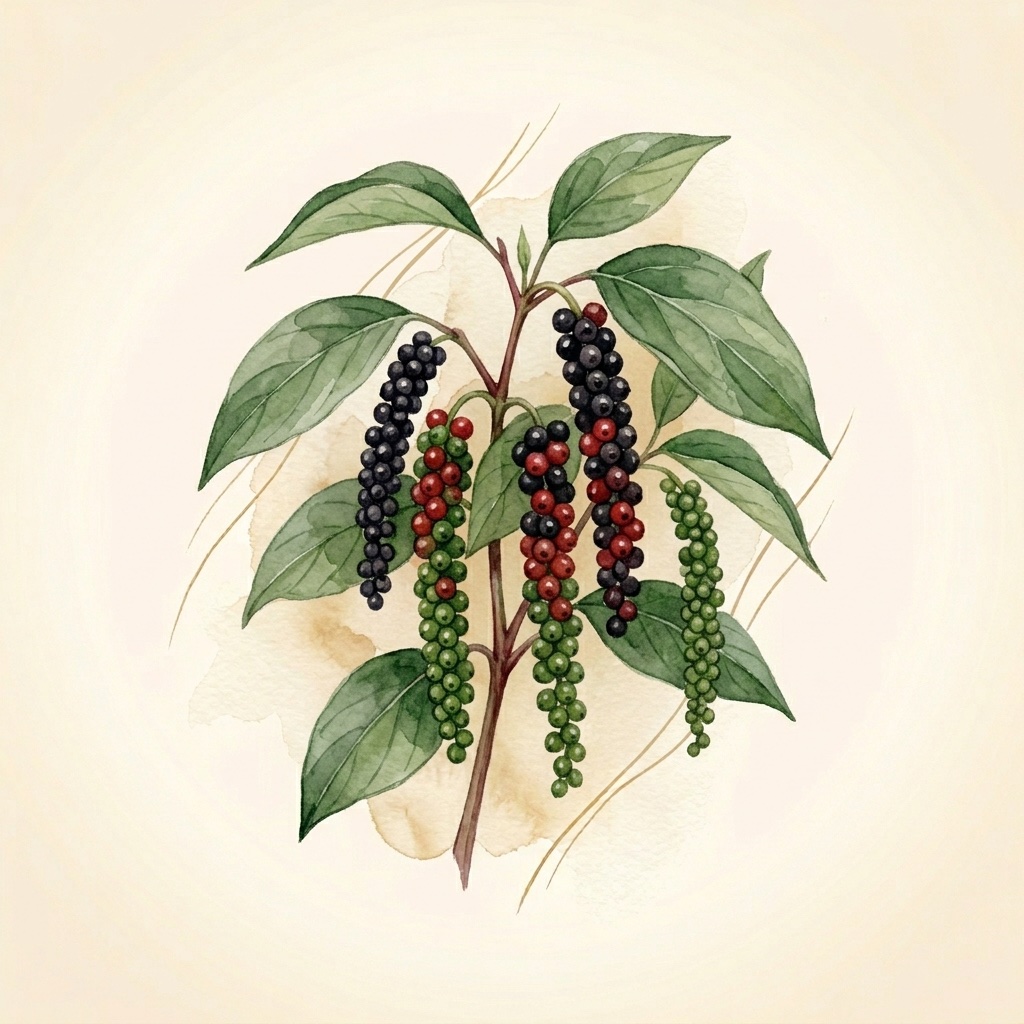
Black Pepper
Piper nigrum
Three products. One protocol.
Pick 3. Save 25%. Free shipping every order. Myco cycles compounds monthly so your body never plateaus — and you never run out.
I built Nomad Nutrients because the supplement aisle is broken. Timing, dosing, and stack design matter more than the latest hero ingredient. We get the boring stuff right so you don't have to.
Build a stack from this article
$68.77$91.70
Comments
Leave a Comment
Keep reading.
When to Take Every Supplement (The Complete Timing Guide)
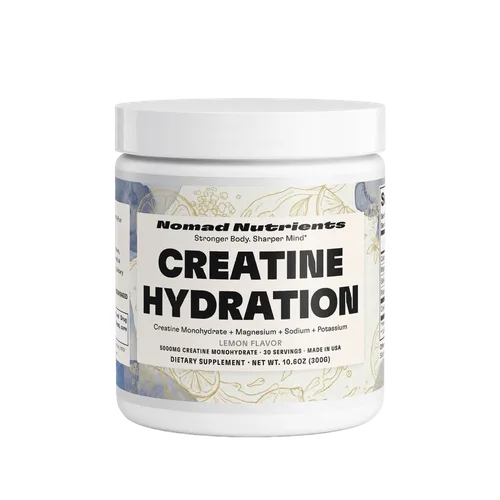
Your body absorbs, metabolizes, and responds to nutrients differently depending on when you take them. Fat-soluble compounds taken without fat pass through you. Stimulatory adaptogens taken at night keep you up. Minerals taken together compete for the same transporters. This is the complete timing protocol — organized by window, with the pharmacokinetic reasoning behind every recommendation.
The Supplement Guide for Hair Loss That's Actually Honest
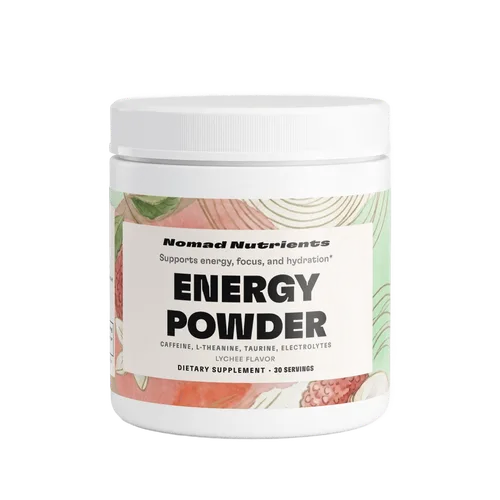
Hair loss content falls into two categories: 'this miracle supplement regrows everything' and 'nothing works, see a dermatologist.' The truth is between them. Some supplements have evidence for specific types of hair loss — nutritional deficiency and stress-induced shedding respond well. Pattern hair loss requires medical intervention. None of them are miracle cures. Here's the honest version, with the type-specific framework that determines whether supplementation is the right tool.
4 Things Happening to Your Skin After 30 That Topicals Can't Fix
The collagen cliff, glycation, gut-skin axis disruption, structural protein loss — these happen below the surface. Serums can't reach them. Here's what actually can.
The 6 Supplements That Actually Have Clinical Evidence (And How to Stack Them)
Most supplements don't have clinical evidence worth citing. These six do — here's the specific research, the mechanism, and how they compound when stacked together.
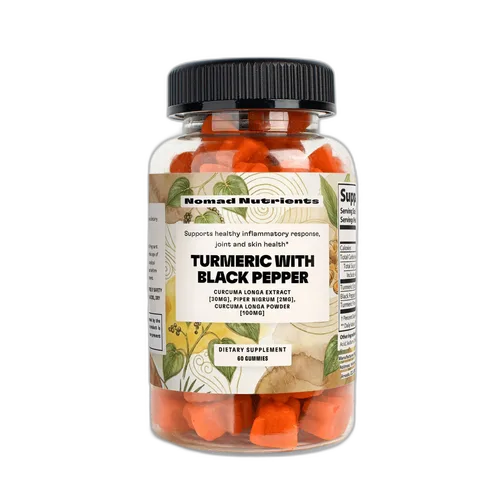
Why Your Collagen Routine Still Isn't Working
Collagen rebuilds skin's protein matrix. It doesn't touch hair or nails, and it doesn't work without the minerals that hold it together. Here's the 3-layer system that actually covers all three.
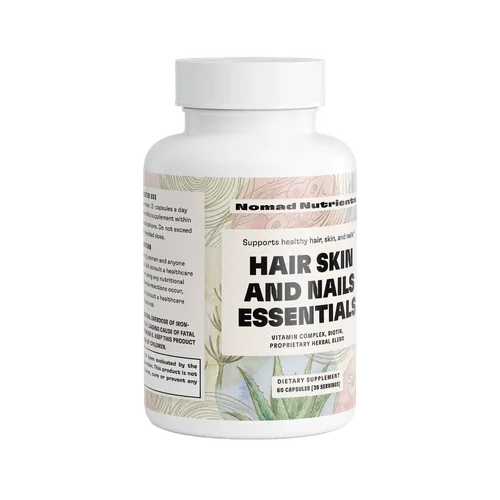
5 Reasons You Crash at 2pm (And the Compound Fix for Each)
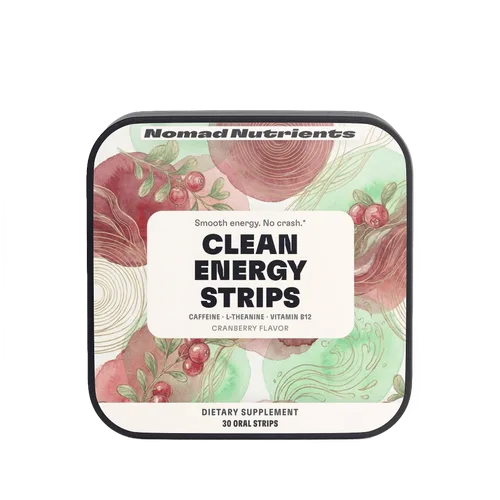
The afternoon energy crash isn't one problem — it's five distinct biological failure modes, each with a different root cause and a different compound fix. Here's how to find yours.
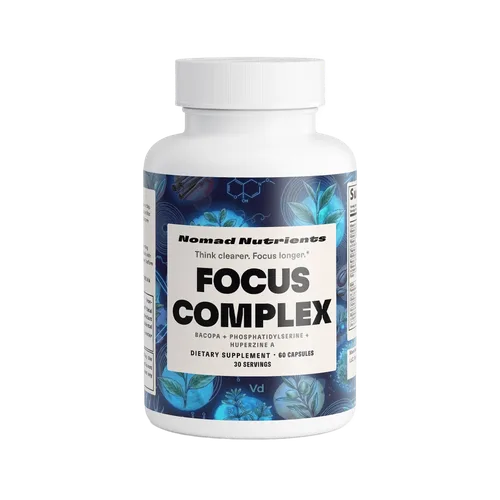
Shop the products.
Four products. Earned their place in every stack.
These float to the top of nearly every Smart Stack — broad pathway coverage, strong evidence, real doses. Curated by Myco, rotated when something better comes along.
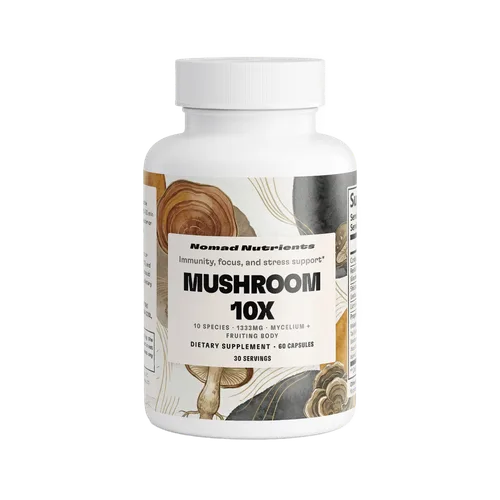
Mushroom 10X
Ten species in one capsule — the whole-spectrum support for immunity, focus, and energy.
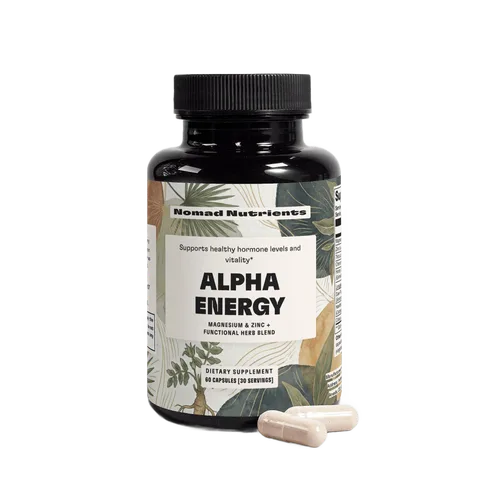
Alpha Energy
Testosterone. Energy. Drive. — Zinc, magnesium, and Tongkat Ali for natural vitality and peak performance.
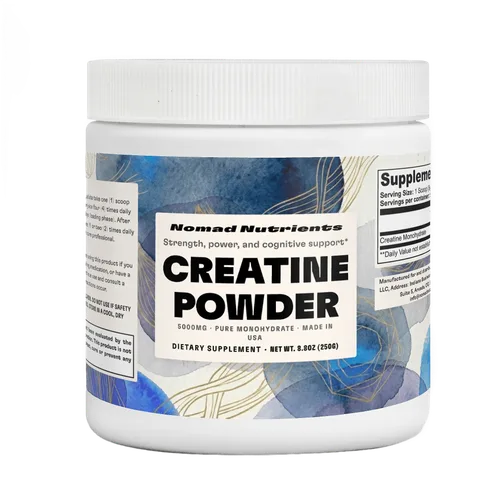
Creatine Powder
The most-studied compound on earth. 5g pure — for stronger muscle and sharper thinking.
Ashwagandha
Cortisol control, calm focus, and deep recovery — the adaptogen that earns its place in every stack.
Founder’s Story
"Hi, I'm Tanner. I built Nomad for optimizers who want a real system — not just a subscription. You choose the direction, we handle the navigation. Pick your path and we'll route you there."
— Tanner
Chief Mushroom Officer