Natural Testosterone Support: What the Research Shows (And What It Doesn't)
No supplement will double your testosterone. Any product claiming 300% increases is misrepresenting rodent data or fabricating results. What natural compounds can do is meaningful but modest — free testosterone increases in the range of 10–25% over 8–12 weeks. For a man with low-normal levels, that's the difference between sluggish and functional. Here's what the clinical evidence actually supports, with honest effect sizes and clear boundaries.

The natural testosterone market is flooded with hype, pseudoscience, and outright deception. The honest starting point: the best-studied compounds produce free testosterone increases in the range of 10–25% over 8–12 weeks in clinical trials. That's the difference between feeling sluggish and feeling functional for a man with low-normal levels. It's not the same as exogenous testosterone replacement and shouldn't be marketed as if it were.
The other honest starting point: supplements don't treat clinical hypogonadism. If total testosterone is consistently below 300 ng/dL with symptoms, that's a medical conversation, not a supplement conversation. Lifestyle factors — sleep, stress management, body composition, alcohol — dominate hormonal health more powerfully than any compound on this list. Fix the basics first. Then layer in the compounds with actual evidence.
Tongkat Ali + Saw Palmetto — The Multi-Target Hormonal Foundation
Tongkat ali (Eurycoma longifolia) has the strongest evidence base of any herbal testosterone support compound. A 2022 systematic review and meta-analysis of 9 RCTs found significant increases in total testosterone compared to placebo, with the most consistent effects in men with low or low-normal baseline levels. The mechanism is multi-pathway: reducing SHBG binding (freeing bound testosterone for receptor activation), mild LH stimulation (upstream pituitary signaling), and cortisol reduction (the cortisol-testosterone seesaw is real — chronic cortisol elevation suppresses Leydig cell testosterone synthesis through HPA-HPG cross-talk).
But testosterone support without prostate management is incomplete after 35. As testosterone metabolism produces DHT via 5-alpha reductase, DHT-driven prostate growth becomes a concurrent concern. Saw palmetto inhibits 5-alpha reductase, reducing DHT accumulation in prostate tissue. Single-compound testosterone support ignores this — multi-target formulas address the full hormonal picture.
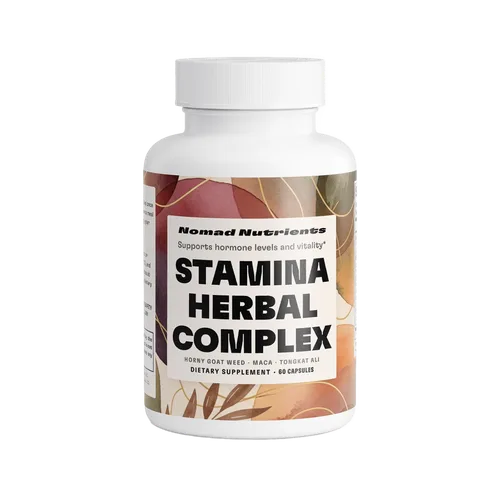
The stamina herbal complex combines tongkat ali, saw palmetto, horny goat weed (icariin — PDE5 inhibition for blood flow), and ginseng (ginsenoside-mediated vitality support) in a multi-target formulation. This addresses SHBG binding, LH signaling, cortisol cross-talk, DHT management, and vascular function simultaneously. The multi-target approach outperforms single compounds because the hormonal system has concurrent bottlenecks — addressing one while ignoring others produces partial results and an incomplete clinical picture.
Ashwagandha — The Cortisol-Testosterone Seesaw
Ashwagandha's testosterone effects are secondary to its cortisol effects — and this is actually more useful than a direct testosterone booster. A 2019 RCT found that 600mg KSM-66 daily for 8 weeks produced a 14.7% increase in testosterone in overweight men aged 40–70, alongside a 12% decrease in cortisol. The mechanism: cortisol and testosterone are both synthesized from the same precursor (pregnenolone). Chronic stress diverts pregnenolone toward cortisol production at the expense of testosterone — a metabolic shunting effect called the "pregnenolone steal."
By reducing cortisol through HPA axis modulation, ashwagandha removes the metabolic competition. Your body reallocates precursor molecules toward testosterone synthesis. This means ashwagandha's testosterone benefit is proportional to your stress load — high-stress men see the largest increases. Low-stress men with healthy cortisol may see minimal testosterone change. The implications for who should use it are direct: if you're chronically stressed and your testosterone is low-normal, ashwagandha targets the actual mechanism more precisely than a direct testosterone booster would.
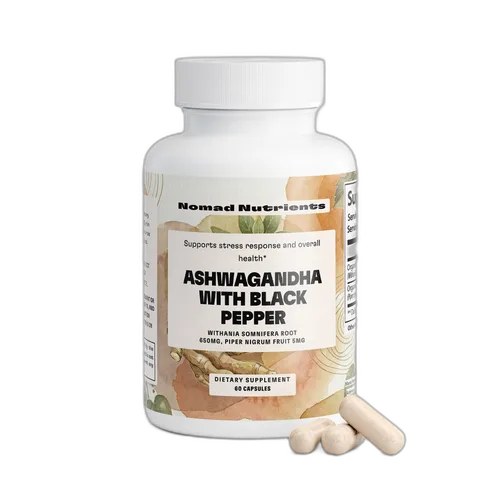
Ashwagandha with black pepper — piperine increases withanolide bioavailability through UGT enzyme inhibition. Evening dosing supports the cortisol reduction → sleep improvement → overnight testosterone recovery cascade. Testosterone synthesis peaks during deep sleep; cortisol reduction that improves sleep quality has a compounding effect on the hormonal goal. The 28% cortisol reduction documented in RCTs doesn't just free up pregnenolone — it improves the sleep architecture that testosterone synthesis depends on.
Don't shop alone. Build with Myco.
Tell Myco your goals. He'll pull the three compounds that fit your life and time-zone — locked-in founding pricing.
Creatine Monohydrate — The Unexpected Hormonal Player
This one surprises people. A 2009 study in college-age rugby players found that three weeks of creatine supplementation increased DHT (dihydrotestosterone) by 56% and the DHT:testosterone ratio by 36%. Several additional studies have found modest increases in free testosterone and total testosterone with creatine supplementation. The mechanism isn't fully characterized, but the leading hypothesis involves creatine's role in supporting high-energy-demand tissues: the testes have significant creatine kinase activity, and phosphocreatine availability may support Leydig cell function — the testicular cells responsible for testosterone synthesis.
The honest caveat: creatine's testosterone effects are smaller and less consistent across studies than its effects on physical and cognitive performance. Take creatine for its ATP regeneration, strength, and neuroprotective benefits first. Consider any testosterone effect a secondary benefit, not the primary rationale.
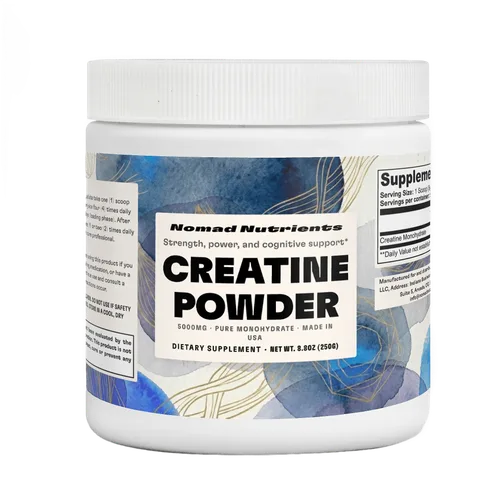
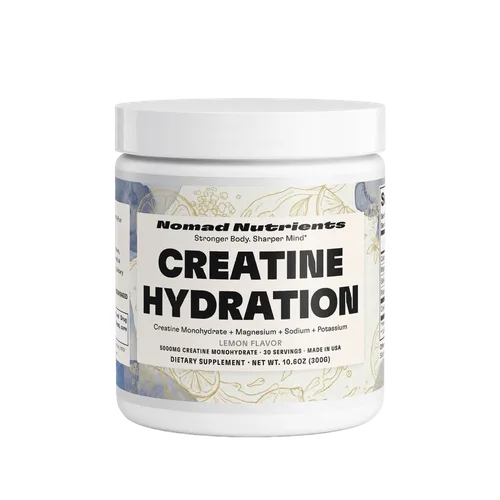
Creatine monohydrate at 5g daily. The evidence base is almost exclusively for monohydrate — not HCl, not ethyl ester, not buffered forms. No loading phase necessary. If you're over 40 and taking creatine for the performance and cognitive benefits (which you should be — it's the most validated ergogenic supplement in existence), the potential hormonal benefit is an additional return on the same investment.
Zinc Status — The Floor, Not the Ceiling
Zinc deficiency directly suppresses testosterone. Supplementation in zinc-deficient men restores levels to baseline. However — and this is the critical nuance — supplementation in zinc-replete men does not further increase testosterone above their natural set point. Zinc is a floor, not a ceiling. It's a required cofactor for 5-alpha reductase and aromatase (the enzyme converting testosterone to estrogen). The prostate contains the highest zinc concentration of any tissue in the body. Zinc status directly modulates the testosterone ↔ estrogen balance.
Who's at risk for deficiency: athletes (zinc is lost in sweat at rates of 0.5–1mg per liter), men who restrict red meat, heavy alcohol consumers, men on proton pump inhibitors (PPIs reduce zinc absorption by altering gastric pH), and anyone with chronic GI issues that impair mineral uptake. Subclinical zinc deficiency is far more common than frank deficiency — and the hormonal effects begin at subclinical levels.
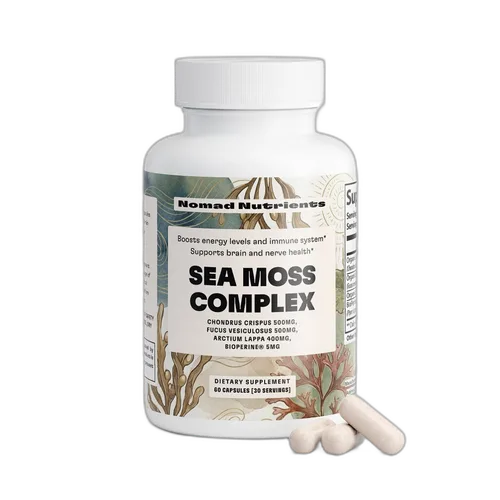
Sea moss blend provides zinc alongside selenium, iodine, and 89+ trace minerals in ionic, bioavailable form from wildcrafted sea moss. The whole-food mineral matrix delivers zinc in balanced ratios rather than isolated high-dose supplementation, which can displace copper over time through competitive absorption at DMT1 transporters. If zinc status is your specific testosterone concern, addressing it through a whole-food mineral source avoids the copper depletion problem that isolated zinc supplements create at doses above 40mg daily.
Maca Root — HPG Axis Modulation Without Hormones
Maca is the puzzling one. It doesn't consistently increase testosterone levels in most clinical studies. What it consistently shows is improved sexual function, libido, and subjective well-being — independent of measurable hormonal changes. Researchers are still working out why. The leading hypothesis: maca modulates the HPG (hypothalamic-pituitary-gonadal) axis at the hypothalamic level. It doesn't supply exogenous hormones or contain phytoestrogens. It appears to restore axis sensitivity — improving the signaling that regulates hormone production without overriding the system.
This makes maca a better choice for men whose subjective symptoms (low libido, fatigue, mood changes) are disproportionate to their actual hormone levels. Blood testosterone is only part of the picture — receptor sensitivity, SHBG binding, and hypothalamic signaling all contribute to how you feel. Maca addresses the signaling layer that blood tests don't capture.
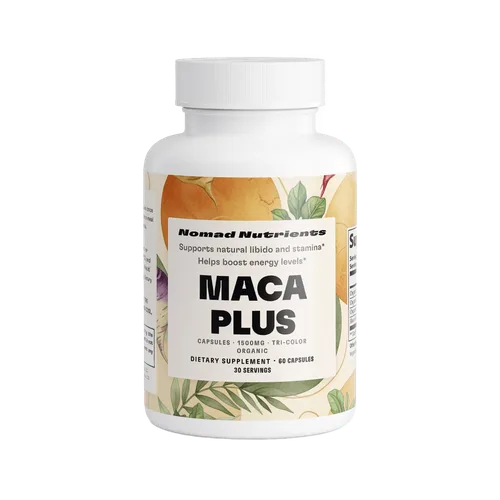
Maca plus uses a gelatinized form — pre-cooked to remove the starches that cause GI distress in raw maca powder. Ecotype matters more than dose: black maca has the strongest evidence for male sexual function and cognitive support (highest macamide content, which inhibits FAAH to increase endocannabinoid tone). Red maca has stronger evidence for prostate health (highest glucosinolate content). All ecotypes are non-hormonal — no phytoestrogens, no exogenous hormones, no HPG axis suppression. It restores sensitivity rather than overriding the system.
Cordyceps + Shilajit — Situational Acute Support
A 2016 RCT on purified shilajit in healthy men aged 45–55 found significant increases in total testosterone, free testosterone, and DHEA-S over 90 days compared to placebo. The mechanism likely involves shilajit's fulvic acid and dibenzo-alpha-pyrones supporting mitochondrial function in Leydig cells — testosterone synthesis is an energy-intensive process, and mitochondrial efficiency in the testes directly influences steroidogenic capacity. Cordyceps (Cordyceps militaris) enhances oxygen utilization through adenosine receptor modulation, with preliminary evidence for testosterone support through similar mitochondrial pathways.
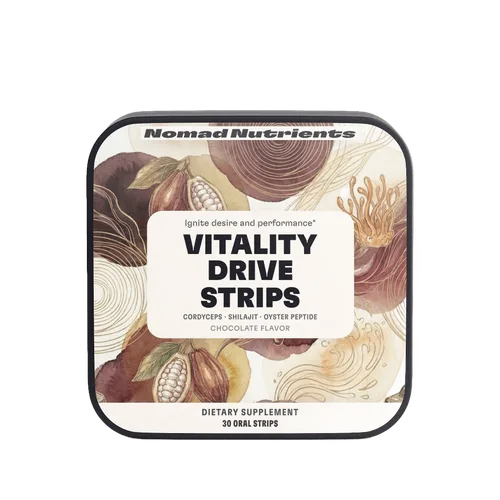
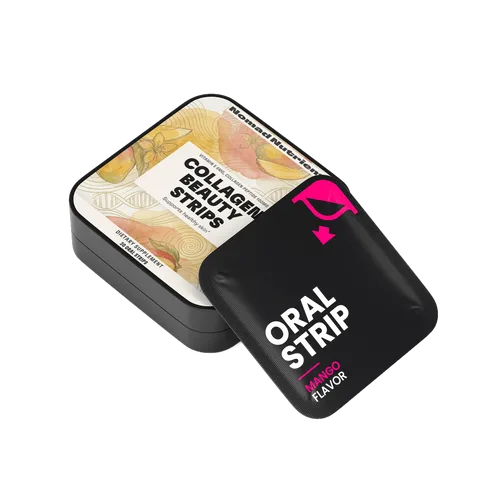
The sublingual delivery format shifts the use case from daily supplementation to situational support — faster onset (10–15 minutes to peak blood levels versus 45–60 for capsules) means you can deploy it within a specific performance window rather than building chronic tissue levels.
Vitality drive strips deliver cordyceps, shilajit, and zinc from oyster peptide sublingually. The strip format is designed for situational use — before performance demands, not as a daily baseline. The daily hormonal foundation comes from the stamina complex and ashwagandha. The vitality strips are the acute layer that sits on top when you need targeted support within a specific window.
The practical stack, in order of evidence and priority: tongkat ali + saw palmetto (multi-target hormonal foundation), ashwagandha (cortisol-testosterone seesaw), creatine (cellular energy + secondary hormonal benefit), zinc through whole-food source (floor, not ceiling), maca (HPG axis sensitivity), and cordyceps + shilajit strips (situational acute support).
The honest boundaries: no natural compound matches the magnitude of exogenous testosterone (TRT produces 200–400% increases; natural compounds produce 10–25%). Supplements don't treat clinical hypogonadism. Lifestyle factors dominate. But for men with low-normal levels and the foundations in place, this stack targets the actual mechanisms driving the decline — with evidence, realistic timelines, and honest expectations.
Key Ingredients
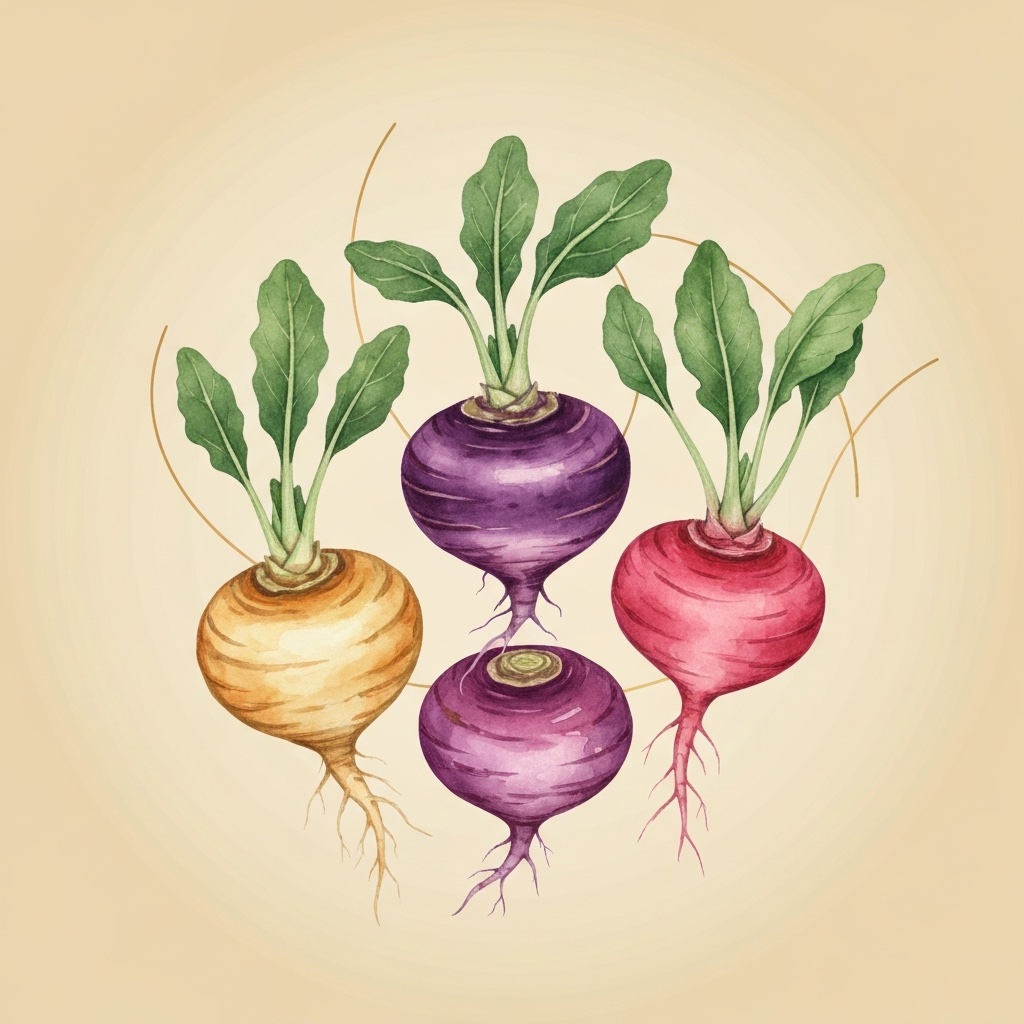
Maca Root
Lepidium meyenii

Longjack (Tongkat Ali)
Eurycoma longifolia

Red Asian Ginseng
Panax ginseng
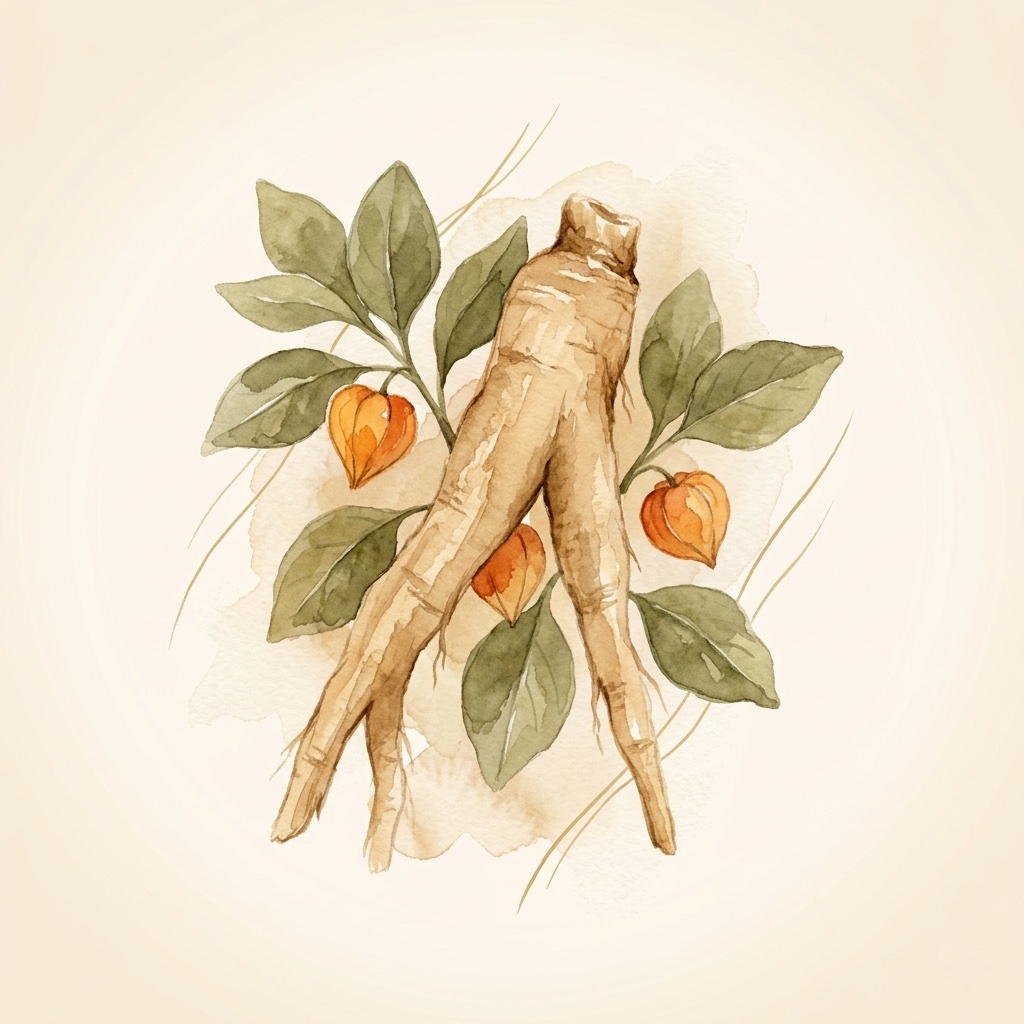
Ashwagandha
Withania somnifera
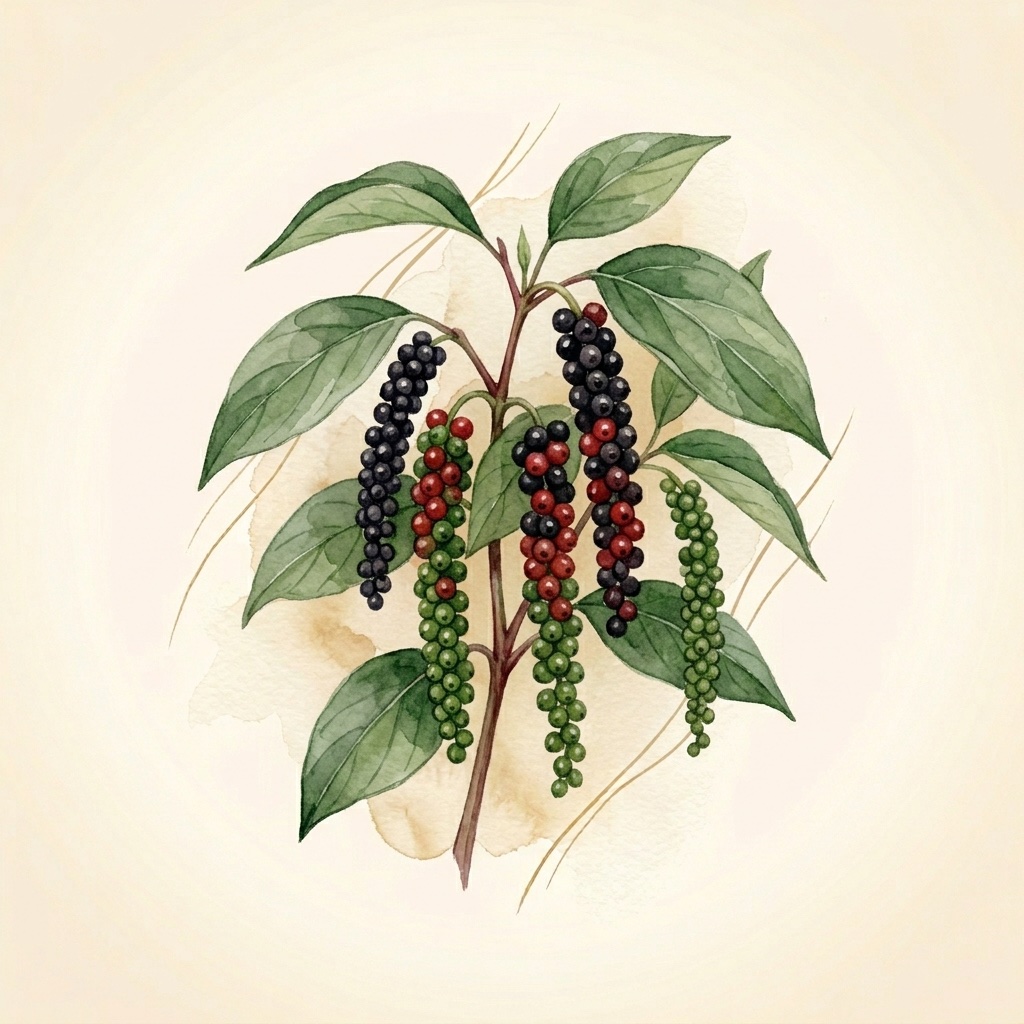
Black Pepper
Piper nigrum

Creatine Monohydrate
Creatine

Irish Moss
Chondrus crispus
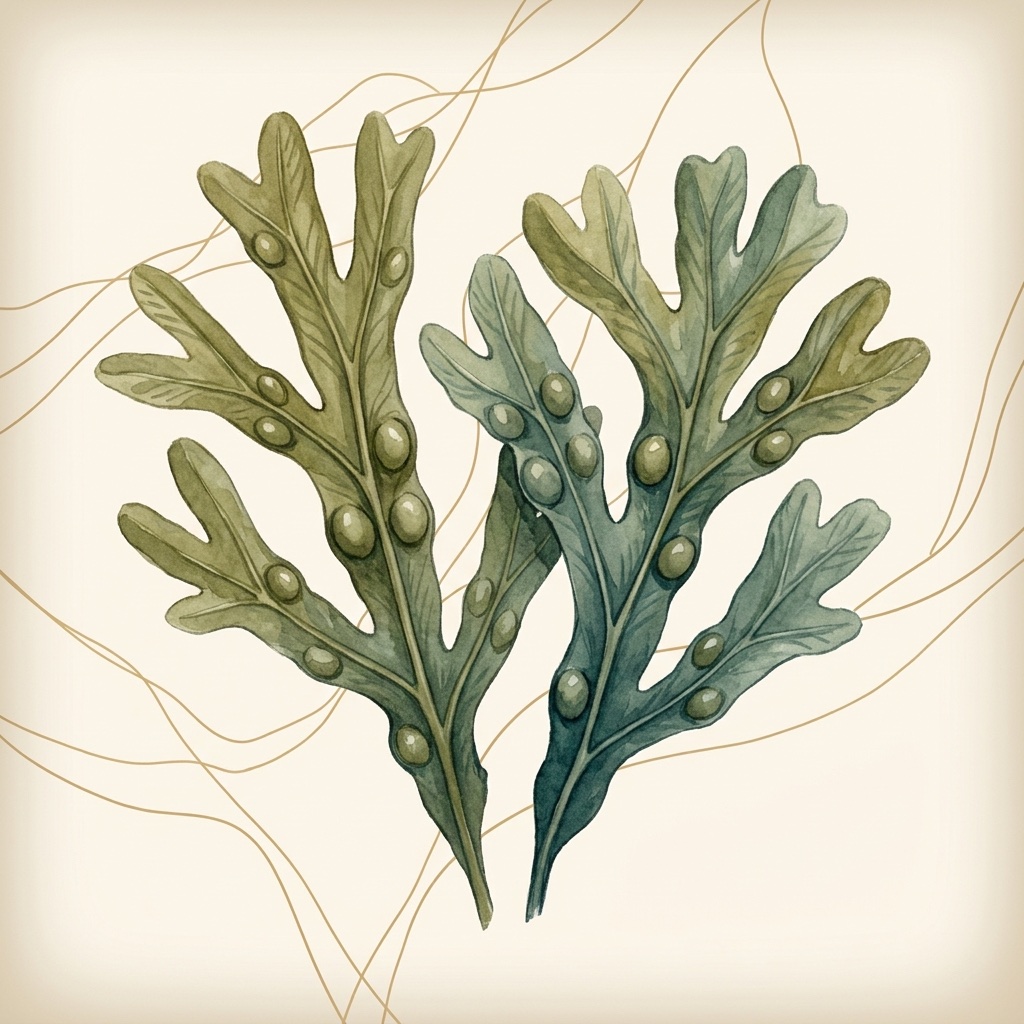
Bladderwrack
Fucus vesiculosus

Burdock Root
Arctium lappa
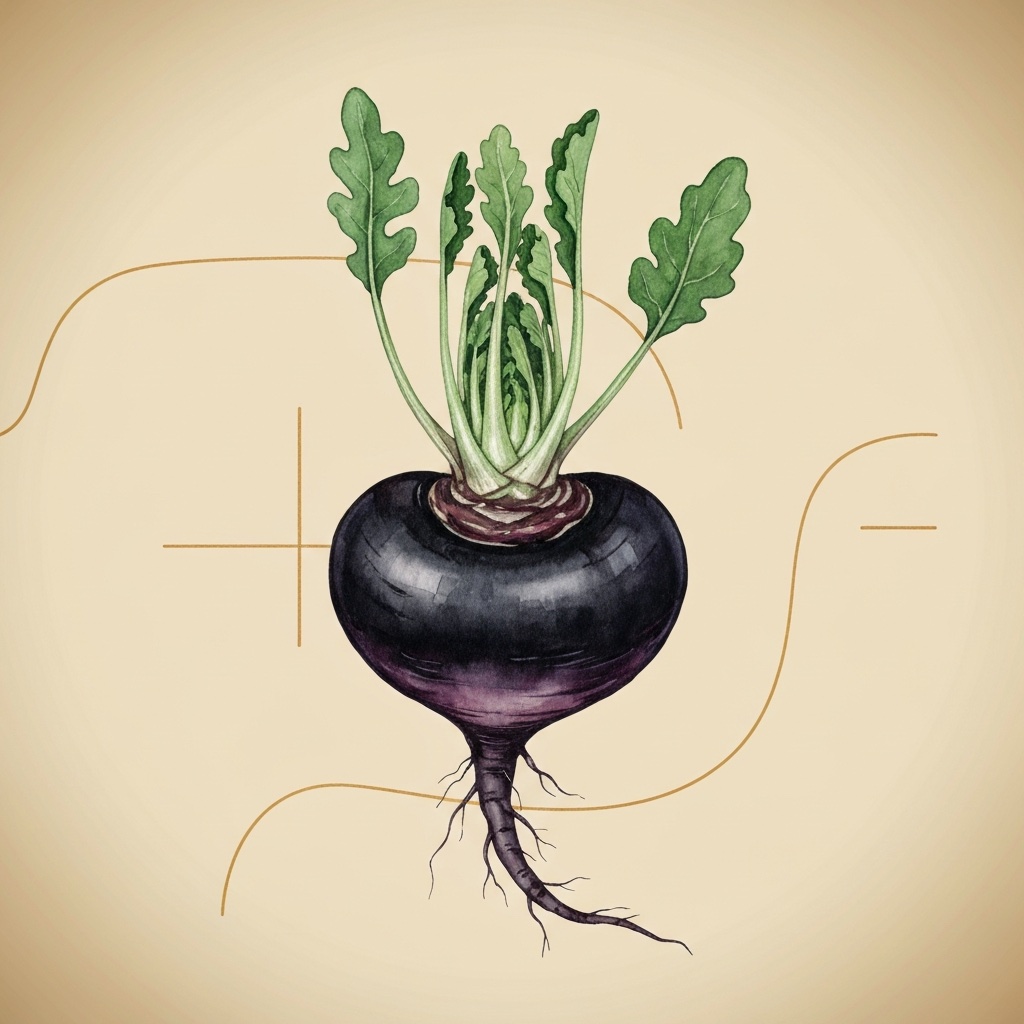
Black Maca Root
Lepidium meyenii (black ecotype)
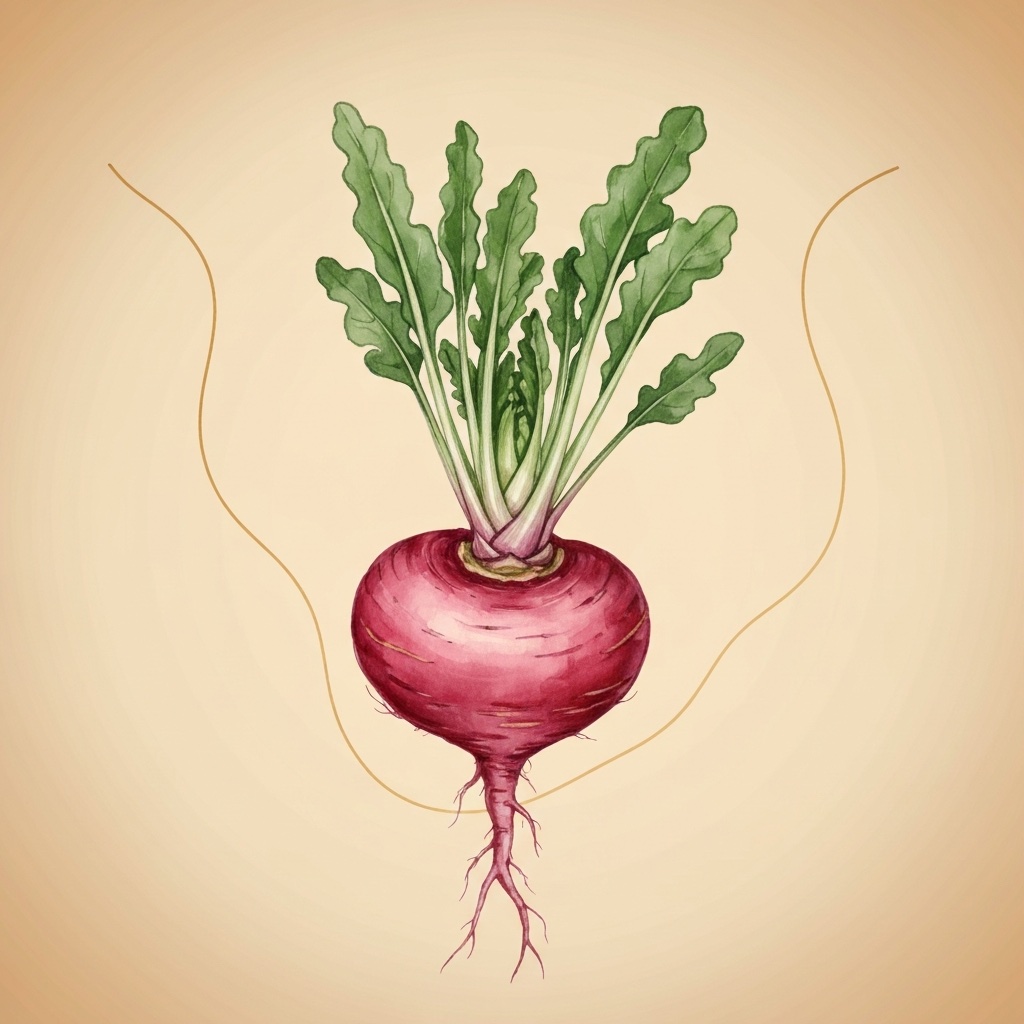
Red Maca Root
Lepidium meyenii (red ecotype)
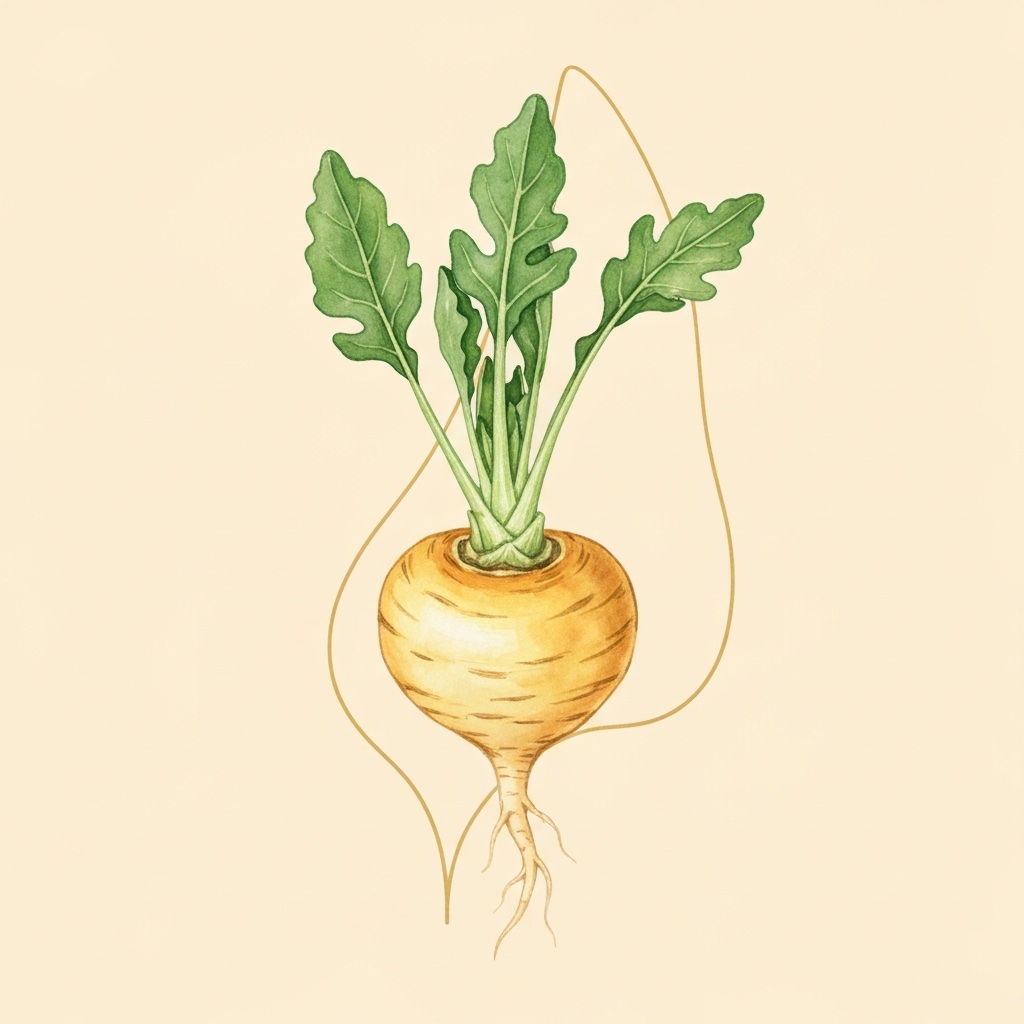
Yellow Maca Root
Lepidium meyenii (yellow ecotype)

Cordyceps Mushroom
Cordyceps militaris

Shilajit
Asphaltum punjabianum

Oyster Peptide
Crassostrea gigas
Three products. One protocol.
Pick 3. Save 25%. Free shipping every order. Myco cycles compounds monthly so your body never plateaus — and you never run out.
I built Nomad Nutrients because the supplement aisle is broken. Timing, dosing, and stack design matter more than the latest hero ingredient. We get the boring stuff right so you don't have to.
Build a stack from this article
$70.27$93.70
Comments
Leave a Comment
Keep reading.
The Men's Supplement Stack After 40: What Actually Changes and What to Do About It
Something shifts in your 40s. Recovery takes longer, energy plateaus earlier in the day, and the things that used to take care of themselves quietly stop doing so. Several biological systems that were silently declining since your late 20s reach a threshold where you feel it. Here are the six compounds with evidence to address what's actually changing — in order of priority.
5 Supplements for Dads and Dads-to-Be
Nobody tells you that becoming a dad is a physiological event — not just an emotional one. Your sleep architecture collapses. Your cortisol stays elevated for months. Your immune system gets stress-tested by every daycare pathogen your kid brings home. And if you're not a dad yet but trying to be, your sperm quality is shaped by the same compounds that will keep you functional after the baby arrives. Five supplements that serve both sides of the transition.
When to Take Every Supplement (The Complete Timing Guide)
Your body absorbs, metabolizes, and responds to nutrients differently depending on when you take them. Fat-soluble compounds taken without fat pass through you. Stimulatory adaptogens taken at night keep you up. Minerals taken together compete for the same transporters. This is the complete timing protocol — organized by window, with the pharmacokinetic reasoning behind every recommendation.
How to Build Your First Supplement Stack (Without Wasting Money)
The supplement aisle is designed to overwhelm you into buying nothing or buying everything. Neither is correct. Here's a tiered framework — start at the foundation, add based on your goal, and only advance when the previous tier is habitual. Each tier is complete on its own. You don't need Tier 3 to benefit from Tier 1.
5 Signs Your Brain Is Running on Fumes — And What to Do About Each One
Afternoon fog, expensive context-switching, decisions that drain you — these aren't productivity problems. They're physiological signals. Here's what each one means and what to do about it.
The 6 Supplements That Actually Have Clinical Evidence (And How to Stack Them)
Most supplements don't have clinical evidence worth citing. These six do — here's the specific research, the mechanism, and how they compound when stacked together.
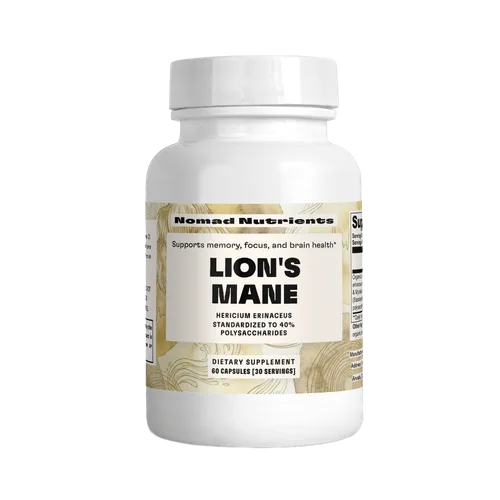
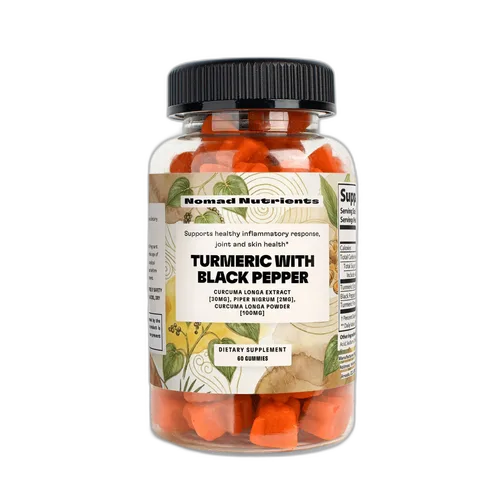
Shop the products.
Four products. Earned their place in every stack.
These float to the top of nearly every Smart Stack — broad pathway coverage, strong evidence, real doses. Curated by Myco, rotated when something better comes along.
Mushroom 10X
Ten species in one capsule — the whole-spectrum support for immunity, focus, and energy.
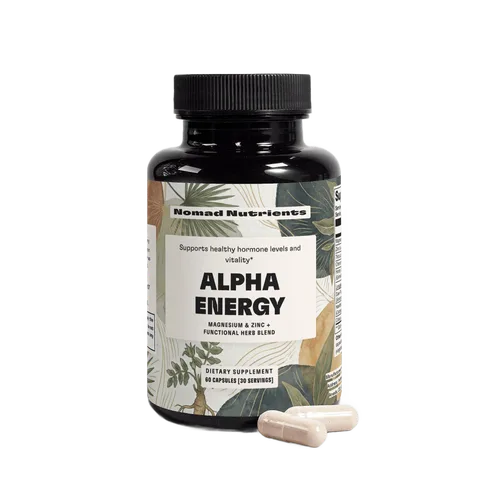
Alpha Energy
Testosterone. Energy. Drive. — Zinc, magnesium, and Tongkat Ali for natural vitality and peak performance.
Creatine Powder
The most-studied compound on earth. 5g pure — for stronger muscle and sharper thinking.
Ashwagandha
Cortisol control, calm focus, and deep recovery — the adaptogen that earns its place in every stack.
Founder’s Story
"Hi, I'm Tanner. I built Nomad for optimizers who want a real system — not just a subscription. You choose the direction, we handle the navigation. Pick your path and we'll route you there."
— Tanner
Chief Mushroom Officer