The 6 Supplements That Actually Have Clinical Evidence (And How to Stack Them)
Most supplements don't have clinical evidence worth citing. These six do — here's the specific research, the mechanism, and how they compound when stacked together.

The supplement industry is crowded with products that rely on plausible mechanisms, testimonials, and marketing rather than controlled trials. Being skeptical of that industry is rational. But that skepticism sometimes extends to compounds that actually have a meaningful body of clinical evidence — evidence that gets dismissed alongside the noise.
Below are six compounds with genuine clinical support: specific trials, replicable findings, and mechanisms that have been characterized well enough to understand why they work. For each one, the skeptic's objection is addressed directly — because those objections are often based on outdated assumptions rather than current data.
Creatine: Not Just For Gym Bros
The skeptic's objection: creatine is a bodybuilding supplement with no relevance outside of athletics. This objection was reasonable twenty years ago and is empirically wrong now.
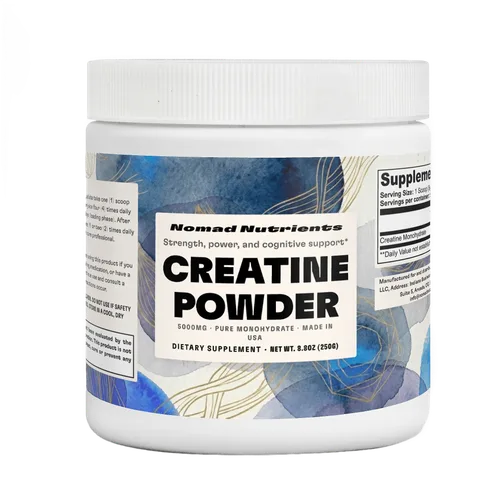
A 2018 systematic review and meta-analysis examining creatine supplementation and cognitive function found significant improvements in short-term memory and reasoning tasks — particularly in adults under conditions of sleep deprivation or metabolic stress. A 2006 trial demonstrated meaningful cognitive performance preservation after 24 hours of sleep deprivation in the creatine group versus placebo. These are not gym outcomes. The mechanism — expanding the phosphocreatine buffer in brain cells — applies identically to neurons and muscle fibers.
Creatine monohydrate remains the gold standard form after 30+ years of human research. No more expensive form — ethyl ester, HCl, buffered creatine — has demonstrated superior bioavailability or effect in controlled comparison. 3–5g daily. No loading phase required. The cognitive benefits are most apparent under stress and sleep deprivation; the athletic benefits are well-established. Both come from the same mechanism. This is the most cost-effective, evidence-backed supplement in the category, and its gym association has cost it serious consideration among people who need it most.
Ashwagandha: The Adaptogen That Actually Has Data
The skeptic's objection: adaptogens are a marketing category with no mechanistic basis. This conflates the category with the compound. Ashwagandha specifically — standardized to withanolide content — has one of the cleanest evidence bases in the functional supplement space.
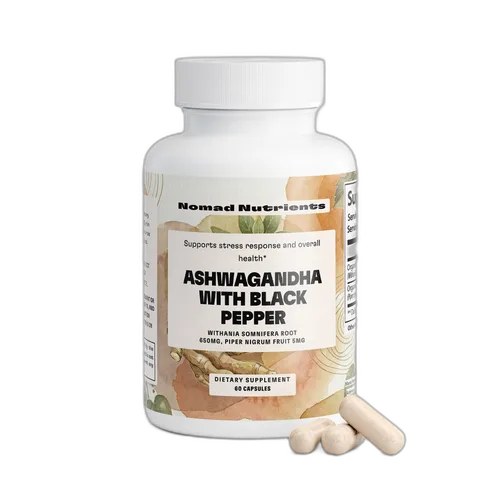
Chandrasekhar et al. (2012), a double-blind placebo-controlled trial in 64 adults, found a 28% reduction in serum cortisol at 600mg/day of KSM-66 extract over 60 days, alongside significant improvements in stress, anxiety, and sleep quality scores. This finding has been replicated across multiple trials with consistent effect sizes. The mechanism — withanolides sensitizing glucocorticoid receptors and modulating HPA axis activity — is characterized at the molecular level. This is not folklore.
KSM-66 ashwagandha with piperine from black pepper is the formulation closest to what the clinical literature has studied. KSM-66 is a full-spectrum root extract standardized to ≥5% withanolides — the bioactive fraction responsible for the cortisol and receptor effects. Piperine increases ashwagandha bioavailability by inhibiting hepatic and intestinal metabolism of withanolides, improving the amount that reaches systemic circulation. Generic root powder with no standardization data is not equivalent and should not be expected to replicate clinical findings.
Don't shop alone. Build with Myco.
Tell Myco your goals. He'll pull the three compounds that fit your life and time-zone — locked-in founding pricing.
Lion's Mane: The Mushroom With a Mechanism
The skeptic's objection: functional mushroom supplements are wellness marketing with no clinical support. The objection is fair for most of the mushroom supplement market. Lion's Mane specifically has a characterized mechanism and replicated clinical findings.
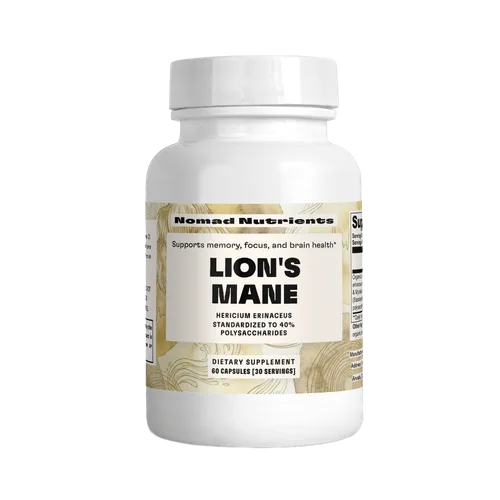
Mori et al. (2009) — the landmark trial — showed significant improvements in cognitive performance scores in adults with mild cognitive impairment over 16 weeks at 3g/day of powder. A 2023 trial in Nutrients demonstrated acute cognitive improvements in healthy adults aged 18–45 within 60 minutes of a single dose. The mechanism — hericenones and erinacines stimulating endogenous NGF synthesis — is established at the molecular level. This is not the same as claiming any mushroom blend improves memory.
The distinction that determines efficacy: fruiting body versus mycelium-on-grain. Hericenones — the NGF-stimulating compounds — are concentrated in the fruiting body. Many cheaper products are mycelium grown on grain substrate (essentially mushroom-inoculated oats), with negligible hericenone content. Look for dual-extracted fruiting body with a guaranteed beta-glucan percentage. Extract ratio matters: a 4:1 or 8:1 hot-water extract is not equivalent in potency to raw powder at the same milligram dose. Efficacy depends entirely on these sourcing variables.
Collagen: The 'Digested Before It Works' Objection Is Outdated
The skeptic's objection: collagen is just protein, and dietary protein gets digested into amino acids — there's no reason supplemental collagen would specifically benefit skin. This objection was reasonable before the bioavailability research existed. Proksch et al. (2014) and subsequent trials changed the picture.
Hydroxyproline-containing peptides — specific short-chain sequences from hydrolyzed collagen — survive digestion and appear in blood within 60 minutes of oral ingestion. In skin tissue, these peptides were detected in the dermis specifically. They appear to act as signaling molecules that upregulate fibroblast activity — the cells responsible for collagen synthesis — rather than simply providing amino acid building blocks. At 12 weeks in double-blind trials, measurable improvements in dermal collagen density and skin elasticity were demonstrated versus placebo.
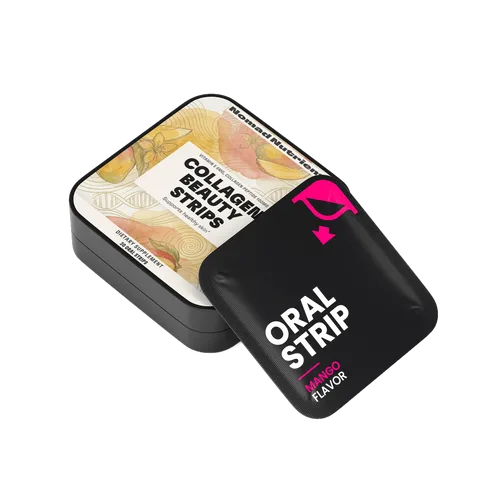
Hydrolyzed Type I and III collagen in sublingual strip format provides faster systemic absorption than capsules or powders and consistent dosing without the measurement variability of bulk powder. The hydrolysis step — breaking native collagen into short peptide sequences — is what enables the absorption and dermal signaling effect. Non-hydrolyzed collagen in food (bone broth, gelatin) does not provide the same bioavailable peptide fractions. Hydrolyzed collagen peptides in a convenient sublingual strip format, delivering targeted doses of Types I and III collagen. For maximum clinical benefit, combine with a collagen powder at 5-10g daily.
Omega-3: The VITAL Trial Settled the Debate
The skeptic's objection: fish oil studies have been inconsistent and the cardiovascular benefit claims are overblown. This objection was more defensible before 2019. The VITAL trial — 25,871 participants, median 5.3 years follow-up — found a 28% reduction in myocardial infarction risk in the omega-3 supplementation group versus placebo. This is the largest and most rigorous omega-3 trial conducted, and its cardiovascular findings are not subtle.
Separately, the cognitive and anti-inflammatory evidence for EPA and DHA is consistent across dozens of trials — DHA is a structural component of neuronal cell membranes; EPA is the primary anti-inflammatory omega-3 fatty acid. The mechanism is real; the debate was largely about dose and formulation, not mechanism.
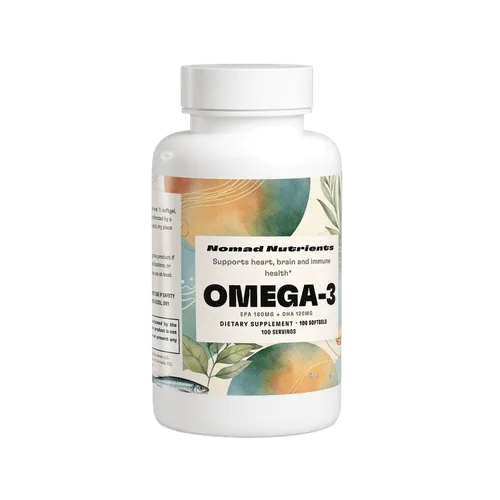
EPA and DHA at clinically relevant doses — EPA 180mg, DHA 120mg minimum as a starting point, with higher doses in the range of EPA 1000–2000mg for cardiovascular-specific goals — is what the evidence supports. The ratio matters: EPA is more relevant for inflammation and mood; DHA more relevant for cognitive structure and development. Both are required. Triglyceride form omega-3s absorb better than ethyl ester forms. Enteric coating reduces the fish burp issue without sacrificing absorption. Take with the largest meal of the day for optimal fat-soluble absorption.
Turmeric: The Bioavailability Problem Has Been Solved
The skeptic's objection: turmeric doesn't absorb well enough to produce meaningful effects. This is true of raw turmeric and curcumin without piperine. With piperine co-formulation, the objection is obsolete.
A landmark study demonstrated that piperine — the active compound in black pepper — increases curcumin bioavailability by approximately 2,000% by inhibiting hepatic and intestinal glucuronidation (the metabolic process that otherwise rapidly degrades curcumin before it can reach systemic circulation). With this co-formulation, curcumin reaches plasma concentrations sufficient to produce its documented NF-kB inhibitory and anti-inflammatory effects. Without it, the dose largely passes through without meaningful absorption. The compound is effective; the delivery requirement is non-negotiable.
Turmeric with piperine in gummy format with a standardized curcuminoid percentage delivers the NF-kB inhibitory and antioxidant effects that curcumin research has characterized. Standardization to 95% curcuminoids ensures consistent bioactive content rather than relying on variable turmeric root powder. The gummy format's chewing and salivary exposure may also modestly support initial absorption. Daily use at 500–1000mg curcuminoids with piperine; anti-inflammatory and antioxidant effects are most apparent at 6–8 weeks of consistent use.
These six compounds share a common profile: characterized mechanisms, replicated clinical findings, and specific formulation requirements that determine whether the evidence applies to the product. The evidence is only as good as the sourcing and standardization behind the specific product you're taking.
Stack them based on your primary goals. The compounds are complementary across multiple physiological pathways — cognitive, stress, inflammation, structural, cardiovascular. Three well-chosen compounds address more of the picture than six poorly chosen ones.
Key Ingredients

Creatine Monohydrate
Creatine

Ashwagandha
Withania somnifera
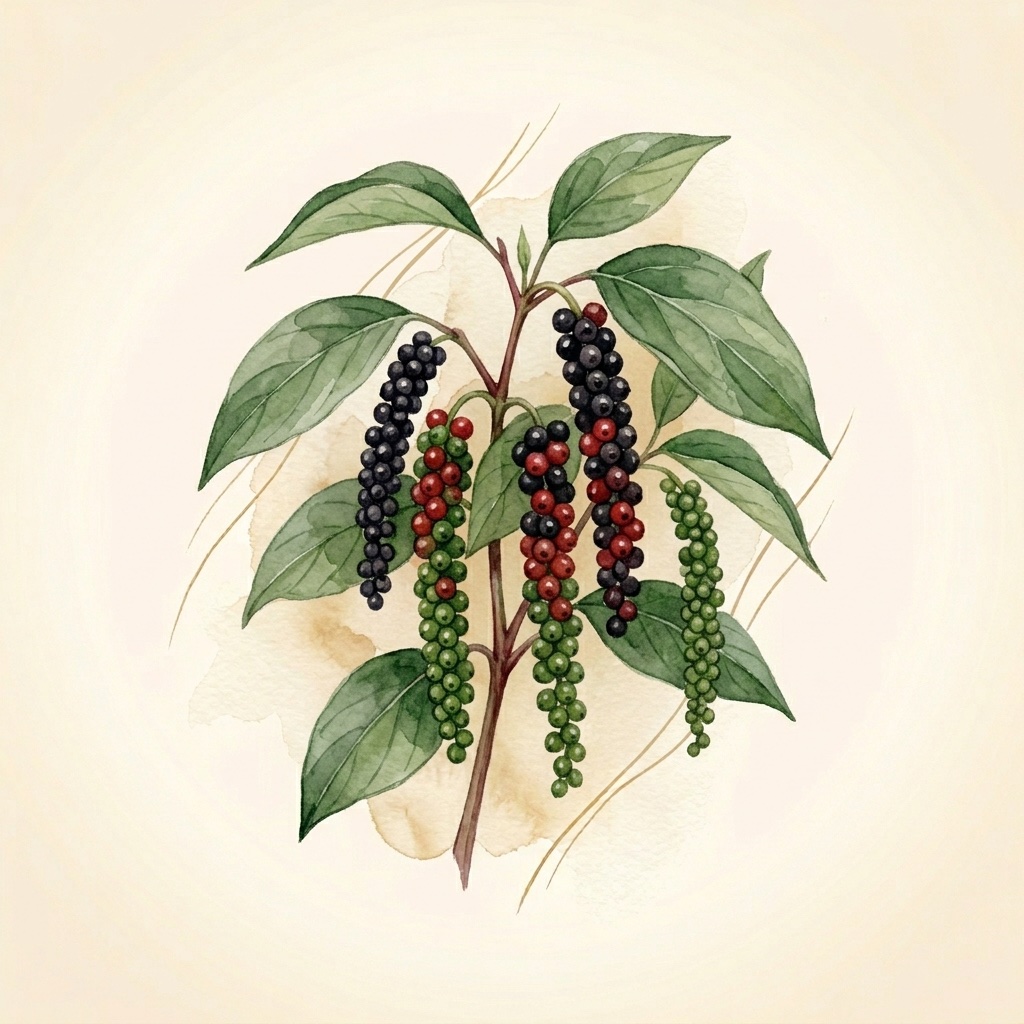
Black Pepper
Piper nigrum

Lion's Mane Mushroom
Hericium erinaceus

Collagen Peptide
Hydrolyzed Collagen

Vitamin E
DL-alpha-Tocopherol
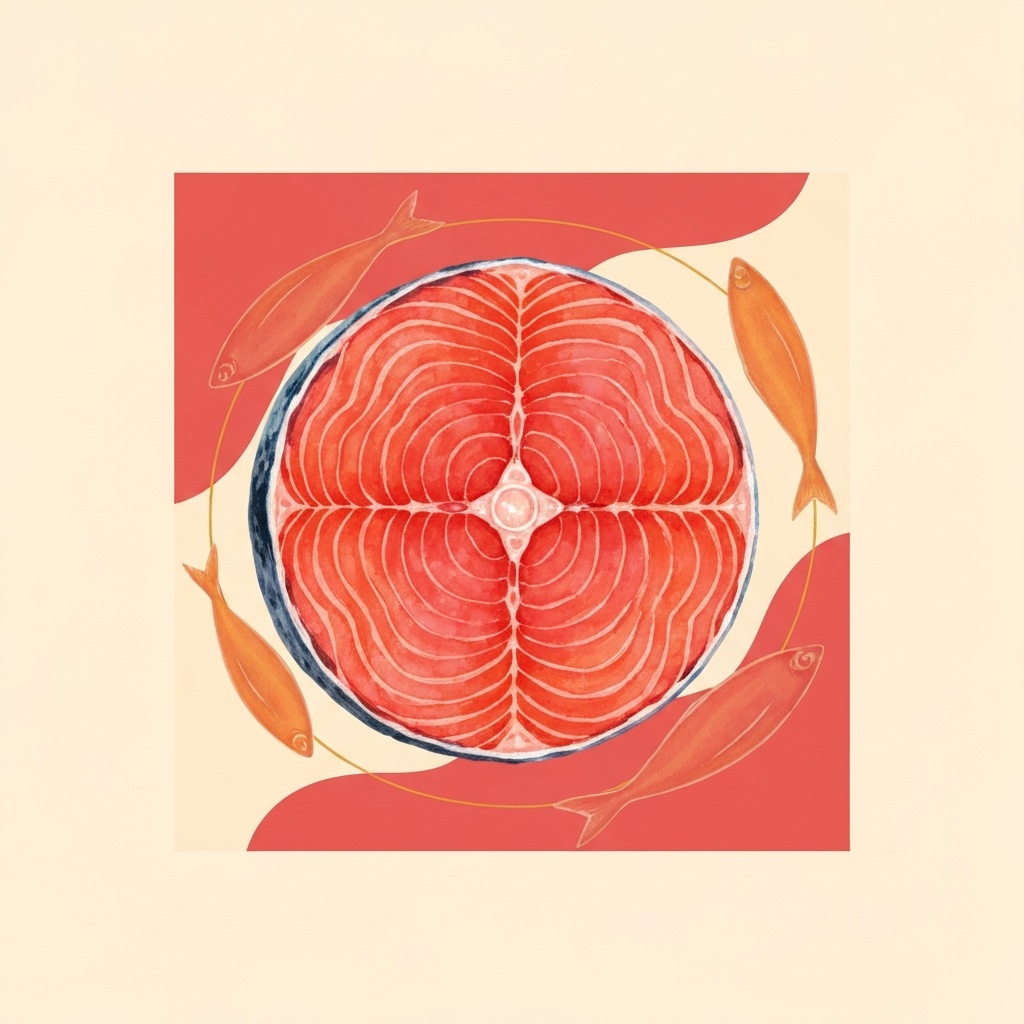
EPA
Eicosapentaenoic Acid

DHA
Docosahexaenoic Acid

Turmeric
Curcuma longa
Three products. One protocol.
Pick 3. Save 25%. Free shipping every order. Myco cycles compounds monthly so your body never plateaus — and you never run out.
Code FIRST20 applied at checkout — extra $20 off your first stack
I built Nomad Nutrients because the supplement aisle is broken. Timing, dosing, and stack design matter more than the latest hero ingredient. We get the boring stuff right so you don't have to.
Build a stack from this article
$68.02$90.70
Comments
Leave a Comment
Keep reading.
When to Take Every Supplement (The Complete Timing Guide)
Your body absorbs, metabolizes, and responds to nutrients differently depending on when you take them. Fat-soluble compounds taken without fat pass through you. Stimulatory adaptogens taken at night keep you up. Minerals taken together compete for the same transporters. This is the complete timing protocol — organized by window, with the pharmacokinetic reasoning behind every recommendation.
How to Build Your First Supplement Stack (Without Wasting Money)
The supplement aisle is designed to overwhelm you into buying nothing or buying everything. Neither is correct. Here's a tiered framework — start at the foundation, add based on your goal, and only advance when the previous tier is habitual. Each tier is complete on its own. You don't need Tier 3 to benefit from Tier 1.
5 Supplements for Dads and Dads-to-Be
Nobody tells you that becoming a dad is a physiological event — not just an emotional one. Your sleep architecture collapses. Your cortisol stays elevated for months. Your immune system gets stress-tested by every daycare pathogen your kid brings home. And if you're not a dad yet but trying to be, your sperm quality is shaped by the same compounds that will keep you functional after the baby arrives. Five supplements that serve both sides of the transition.
5 Signs Your Brain Is Running on Fumes — And What to Do About Each One
Afternoon fog, expensive context-switching, decisions that drain you — these aren't productivity problems. They're physiological signals. Here's what each one means and what to do about it.
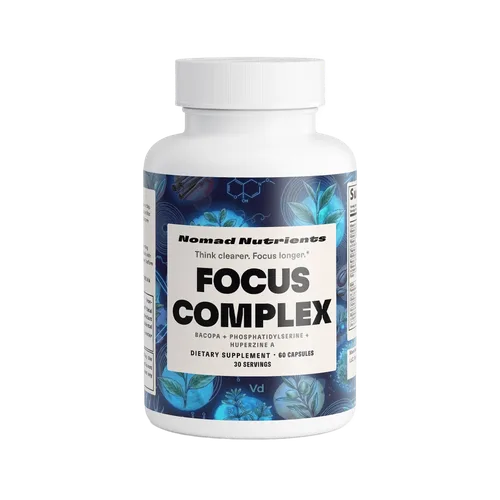
The Men's Supplement Stack After 40: What Actually Changes and What to Do About It
Something shifts in your 40s. Recovery takes longer, energy plateaus earlier in the day, and the things that used to take care of themselves quietly stop doing so. Several biological systems that were silently declining since your late 20s reach a threshold where you feel it. Here are the six compounds with evidence to address what's actually changing — in order of priority.
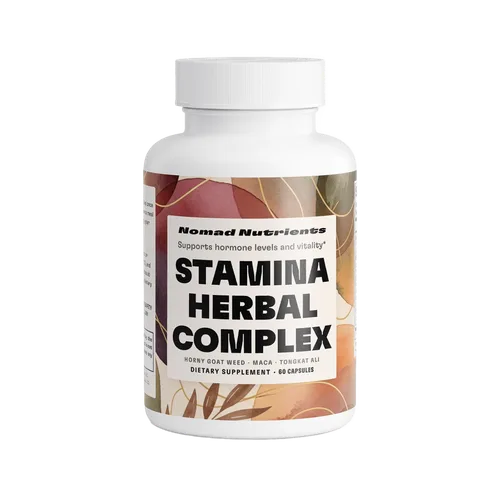
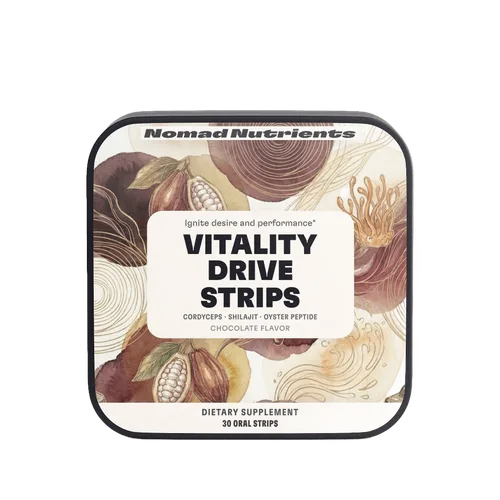
Natural Testosterone Support: What the Research Shows (And What It Doesn't)
No supplement will double your testosterone. Any product claiming 300% increases is misrepresenting rodent data or fabricating results. What natural compounds can do is meaningful but modest — free testosterone increases in the range of 10–25% over 8–12 weeks. For a man with low-normal levels, that's the difference between sluggish and functional. Here's what the clinical evidence actually supports, with honest effect sizes and clear boundaries.
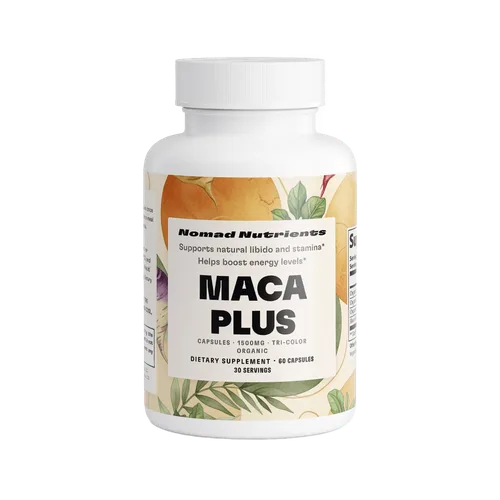
Shop the products.
Four products. Earned their place in every stack.
These float to the top of nearly every Smart Stack — broad pathway coverage, strong evidence, real doses. Curated by Myco, rotated when something better comes along.
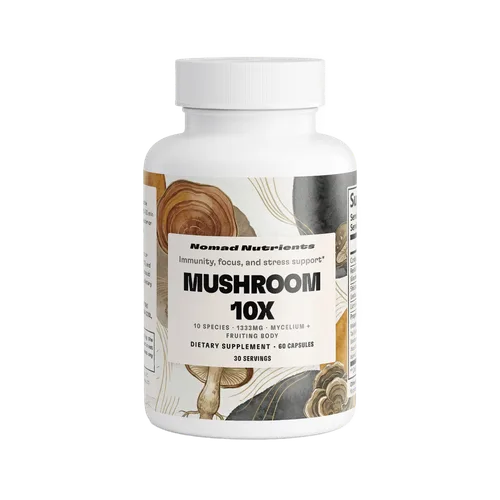
Mushroom 10X
Ten species in one capsule — the whole-spectrum support for immunity, focus, and energy.
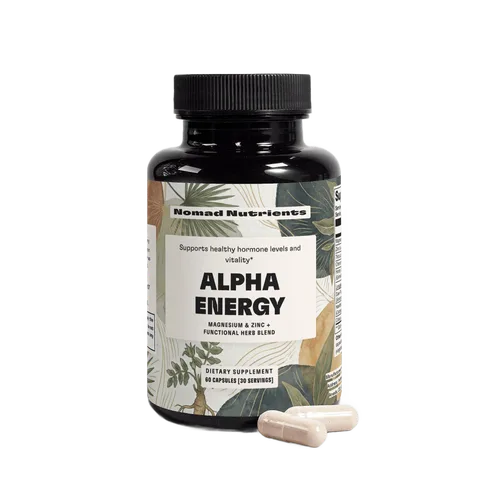
Alpha Energy
Testosterone. Energy. Drive. — Zinc, magnesium, and Tongkat Ali for natural vitality and peak performance.
Creatine Powder
The most-studied compound on earth. 5g pure — for stronger muscle and sharper thinking.
Ashwagandha
Cortisol control, calm focus, and deep recovery — the adaptogen that earns its place in every stack.
Founder’s Story
"Hi, I'm Tanner. I built Nomad for optimizers who want a real system — not just a subscription. You choose the direction, we handle the navigation. Pick your path and we'll keep you dialed in."
— Tanner
Chief Mushroom Officer