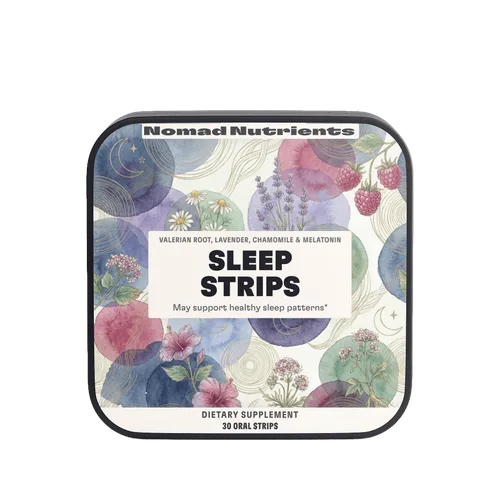
Melatonin is the default sleep supplement recommendation. It's cheap, widely available, and the mechanism is intuitive — melatonin is the hormone your brain naturally produces to signal darkness and initiate sleep onset, so supplementing it should help.
The problems are in the details. Most over-the-counter melatonin is dosed 5–10mg — pharmacological doses that are 10–30x the physiological amount your brain produces. At these doses, melatonin doesn't just signal sleep — it floods melatonin receptors and can disrupt the endogenous rhythm over time. The research on optimal melatonin dosing (covered in post #19) consistently points to 0.3–0.5mg as the effective physiological range; the 10mg gummies most people take are not doing what they think.
More fundamentally, melatonin addresses sleep onset — it helps you fall asleep — but doesn't substantively improve sleep architecture or address the reasons sleep quality is poor. If the underlying issue is a nervous system that can't properly downregulate due to cortisol spillover or insufficient GABAergic tone, melatonin doesn't touch that mechanism.
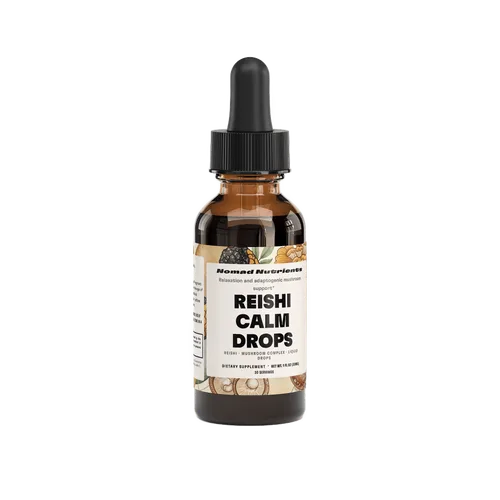
Reishi's GABAergic mechanism addresses the nervous system's ability to downregulate. That's a different problem, a different mechanism, and often a more relevant intervention for the professional who's not struggling to fall asleep so much as struggling to sleep deeply and wake restored.