5 Immune Weak Points You're Probably Ignoring
Gut barrier integrity, beta-glucan exposure, oxidative burden, trace mineral status — your immune system has layers that multivitamins don't address. Here's where the gaps actually are.
Most immune support products address one mechanism: vitamin C and zinc at the first sign of illness, vitamin D in winter. These are reasonable interventions at a single layer of a multi-layer system. The immune system is not one thing — it's a coordinated network of barrier functions, innate immune responses, adaptive immune memory, antioxidant defenses, and microbiome regulation. Addressing one layer while ignoring the others leaves predictable gaps.
Below are five immune weak points that most people have never addressed — and the compounds that specifically target each one.
70% of Your Immune System Lives in Your Gut
The gut-associated lymphoid tissue (GALT) contains approximately 70% of the body's immune cells. The intestinal lining is where the immune system interfaces directly with the external environment — everything you ingest passes through it, and the integrity of the epithelial barrier determines what gets into systemic circulation and what doesn't. When gut barrier integrity is compromised — by chronic stress, processed food, antibiotic disruption — bacterial products (lipopolysaccharides) translocate across the gut wall and trigger systemic inflammation. This is one of the primary mechanisms by which gut health affects overall immune function.
Most immune support products completely ignore this layer.
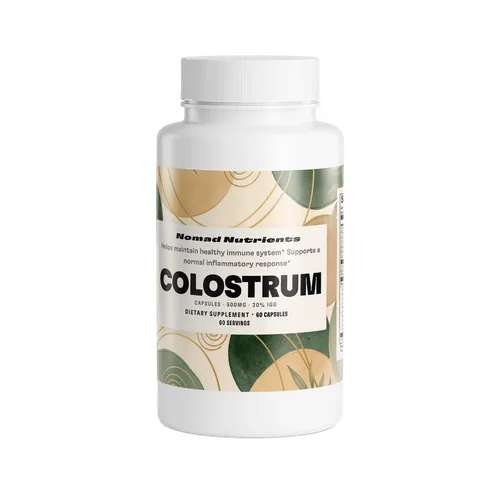
Bovine colostrum — the first milk produced by cows after calving — delivers immunoglobulin G (IgG) antibodies directly to the gut lining, where they provide passive immune support against pathogens before they can breach the gut barrier. It also contains lactoferrin, proline-rich polypeptides, and growth factors that support gut epithelial repair and barrier integrity. Clinical research in athletes (who experience gut permeability increases with high-intensity training) shows colostrum supplementation significantly reduces gut permeability and upper respiratory tract infection incidence. This is gut-level immune support that systemic immune supplements don't provide.
You've Never Exposed Your Immune System to Beta-Glucans
Beta-glucans are polysaccharide compounds found in the cell walls of fungi and certain grains. They're recognized by specific pattern recognition receptors — primarily Dectin-1 — on innate immune cells including macrophages, dendritic cells, and natural killer cells. Binding to these receptors primes the immune response without triggering the inflammatory cascade that a pathogen would: essentially training the immune system's recognition and response capabilities without the cost of an actual infection.
Different mushroom species carry structurally distinct beta-glucan configurations that activate different pattern recognition receptors. Exposure to a broad range of beta-glucan structures produces broader immune training than any single species can provide.
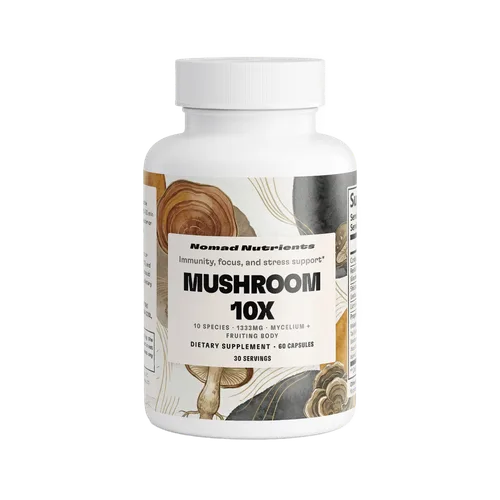
A 10-mushroom blend delivers diverse beta-glucan profiles from Reishi, Chaga, Lion's Mane, Turkey Tail, Shiitake, Maitake, and four additional species — each with distinct polysaccharide structures that engage different immune receptor populations. Turkey Tail specifically contains PSK and PSP, the most clinically studied mushroom immune compounds. Reishi beta-glucans have documented NK cell activating properties. The diversity of the blend is functionally important — breadth of receptor engagement is not achievable with any single species supplement.
Don't shop alone. Build with Myco.
Tell Myco your goals. He'll pull the three compounds that fit your life and time-zone — locked-in founding pricing.
Chronic Inflammation Is Suppressing Your Immune Response
Acute inflammation is the immune system working correctly. Chronic low-grade inflammation is the immune system stuck in a signaling loop that prevents it from executing properly. Chronically elevated cytokines — IL-6, TNF-alpha, CRP — do not enhance immune defense; they dysregulate it. They exhaust immune resources on background signaling instead of pathogen response, impair lymphocyte function, and in the long run contribute to the immunosenescence (immune aging) that makes older adults more vulnerable to infection.
Managing chronic inflammation isn't immunosuppression — it's restoring the immune system's ability to respond appropriately rather than running continuously in background activation.
Curcumin with piperine targets NF-kB — the central transcription factor that drives inflammatory cytokine production — reducing the chronic background inflammatory signaling that impairs immune function without suppressing the acute immune response required to fight actual infections. The distinction is important: curcumin modulates rather than suppresses inflammation. Daily use over 6–8 weeks produces measurable reductions in CRP and inflammatory cytokine markers while preserving adaptive immunity parameters. The piperine co-formulation is non-negotiable for bioavailability.
Your Antioxidant Capacity Is Bottomed Out
Every immune response generates reactive oxygen species (ROS) as a byproduct — oxidative burst is how neutrophils and macrophages destroy pathogens. When your antioxidant systems are depleted, this oxidative burst spills over and damages surrounding tissue. The result is a more inflammatory, more tissue-damaging immune response that takes longer to resolve and depletes immune resources faster.
Superoxide dismutase (SOD) is the enzyme primarily responsible for neutralizing superoxide radicals — the first and most abundant ROS generated during immune activity. Maintaining high SOD activity reduces the collateral oxidative damage from every immune response your body mounts.
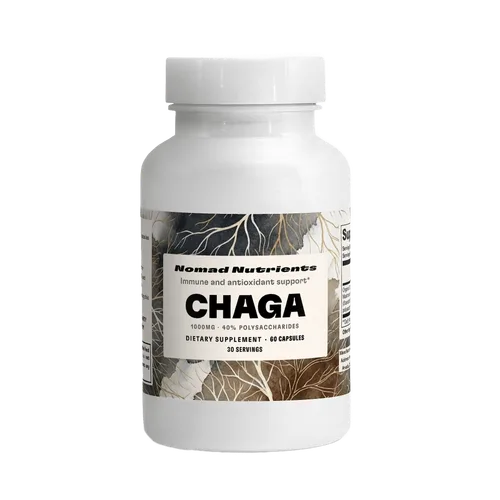
Chaga mushroom (Inonotus obliquus) has the highest ORAC (Oxygen Radical Absorbance Capacity) score of any measured natural food source — driven largely by its exceptionally high SOD content and melanin-based antioxidant compounds. It also contains betulinic acid and other triterpenes with documented immunomodulatory and anti-inflammatory properties. The antioxidant effect is systemic, supporting immune cell function rather than just general cellular protection. Daily supplementation supports the oxidative resilience that allows immune responses to be executed cleanly rather than at the cost of significant bystander tissue damage.
Trace Mineral Gaps Weaken Every Layer
Zinc is required for thymulin production — the thymic hormone that drives T-cell maturation. Selenium is essential for glutathione peroxidase, the enzyme family that protects immune cells from oxidative self-damage during an active immune response. Iron supports the oxidative burst mechanism of neutrophils. Copper is required for lymphocyte proliferation. These aren't minor supporting roles — they're essential cofactors for core immune functions. Deficiency in any one of them meaningfully impairs the immune layer that depends on it.
A diet that appears adequate on macronutrients can still be deficient in these trace minerals — particularly zinc (depleted by stress and high coffee intake) and selenium (geographically dependent on soil content). Most people don't know their status in either.
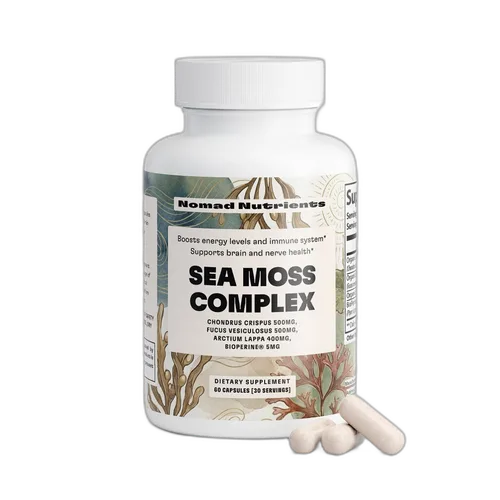
Wildcrafted sea moss provides zinc, selenium, iron, copper, and 88 additional trace minerals in ionic form with high bioavailability — closing the multi-mineral gap simultaneously rather than requiring you to audit and supplement each mineral individually. The broad profile is appropriate because immune function depends on multiple trace mineral cofactors simultaneously, and correcting one while others remain deficient produces incomplete results. Daily use as a foundational mineral support layer — not as a replacement for targeted supplementation if a specific deficiency is confirmed, but as the baseline that prevents the diffuse deficiencies that quietly undermine immune function over time.
Beta-glucans + colostrum immunoglobulins + EPA and DHA = Fewer days lost
Primes your defenses, protects your gut, and calms the inflammation that slows recovery.


Your immune system is only as strong as its weakest layer. Addressing vitamin C and vitamin D while ignoring gut barrier integrity, beta-glucan training, antioxidant capacity, and trace mineral status is like reinforcing one wall of a building. The gaps above are where immune resilience actually breaks down — for most people, most of the time.
Start with the layer you've never addressed. Build from there.
Key Ingredients
Bovine Colostrum
Bos taurus colostrum
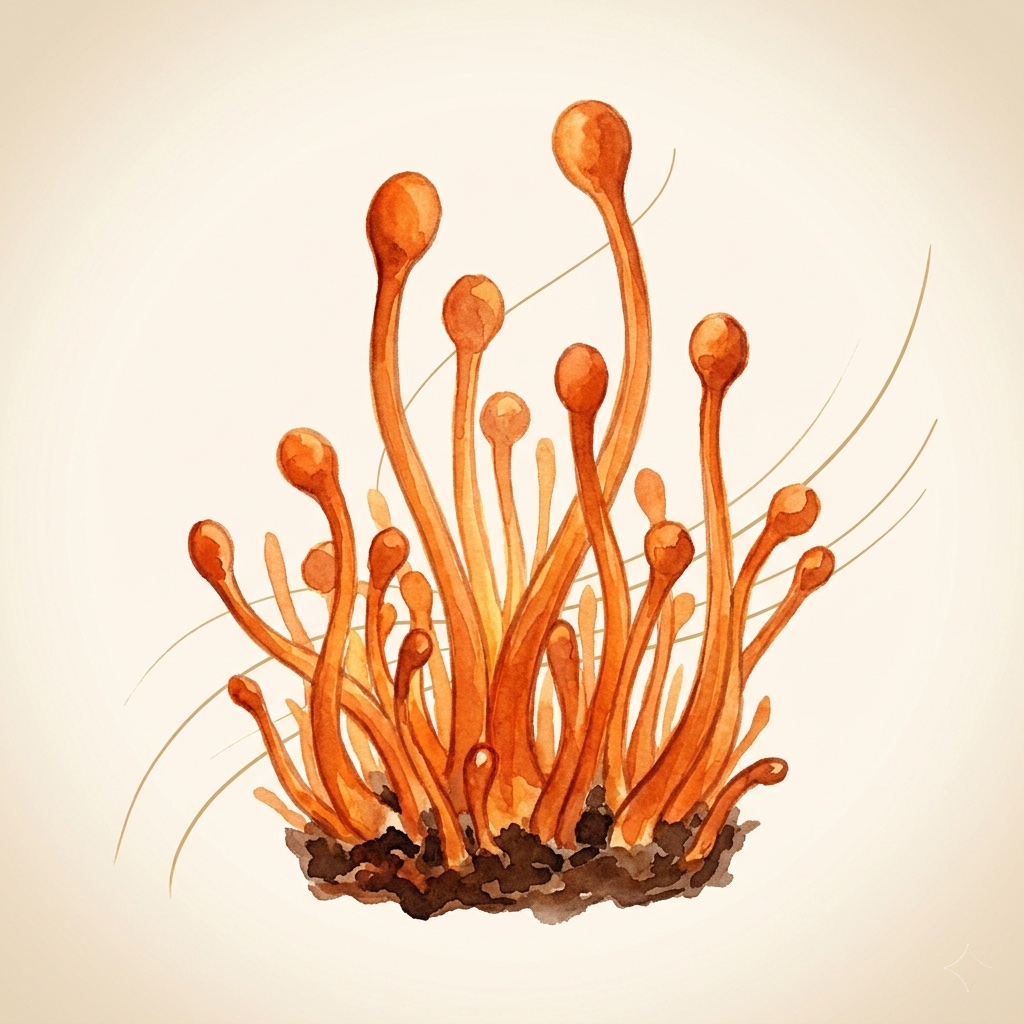
Cordyceps Mushroom
Cordyceps militaris
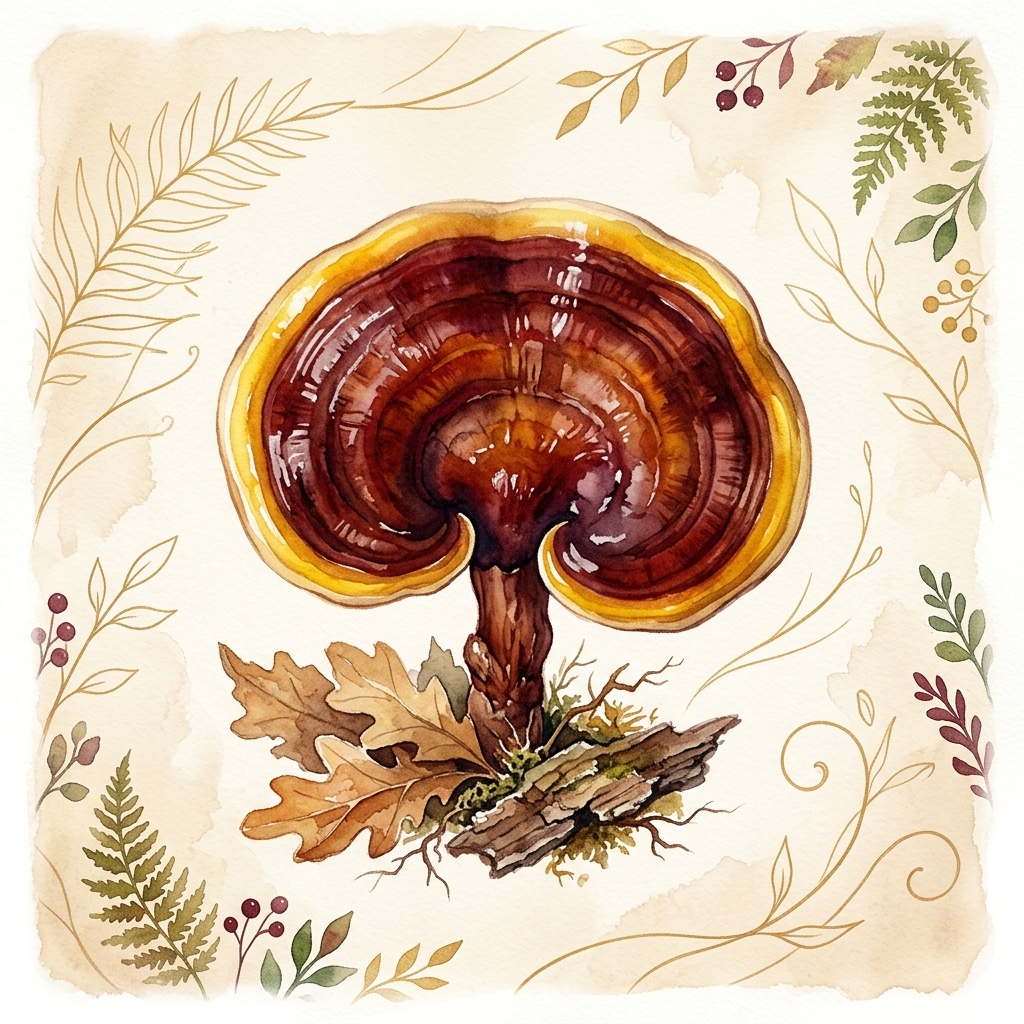
Reishi Mushroom
Ganoderma lucidum
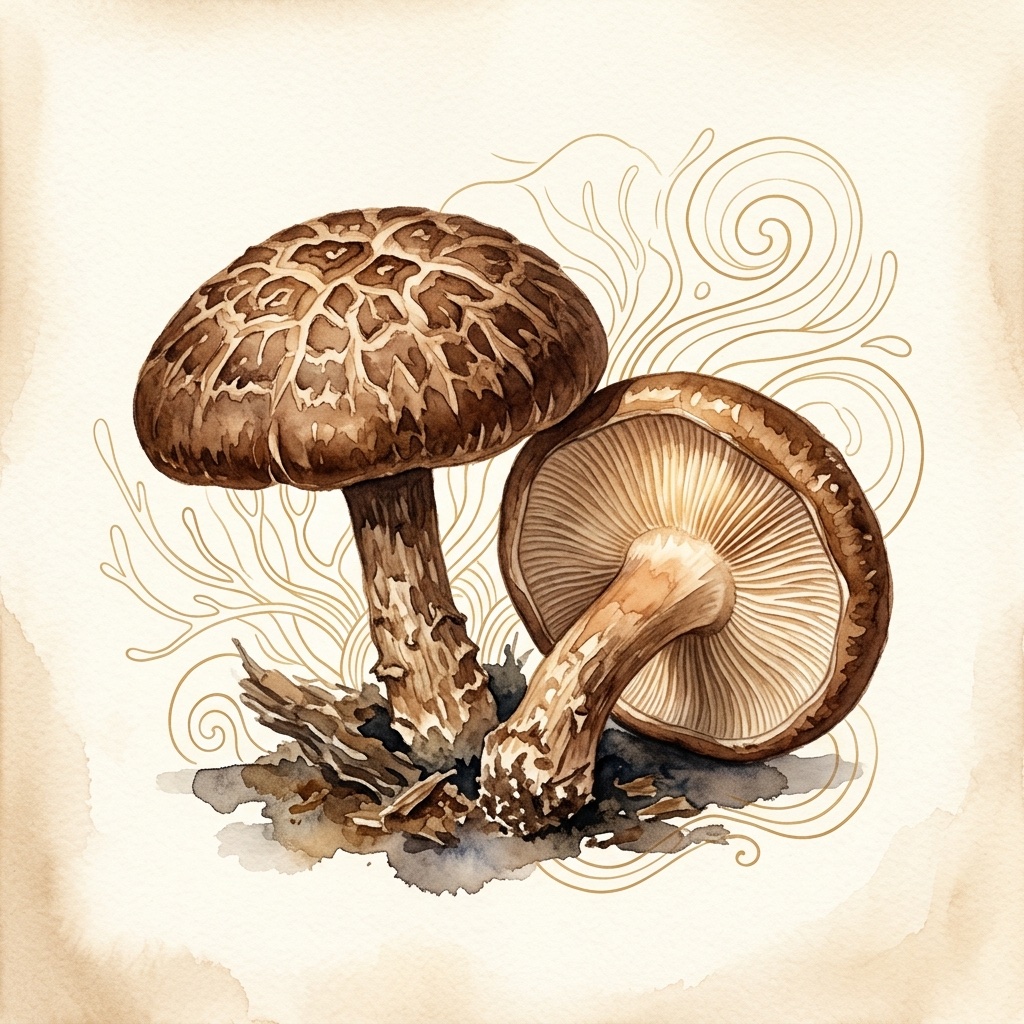
Shiitake Mushroom
Lentinula edodes
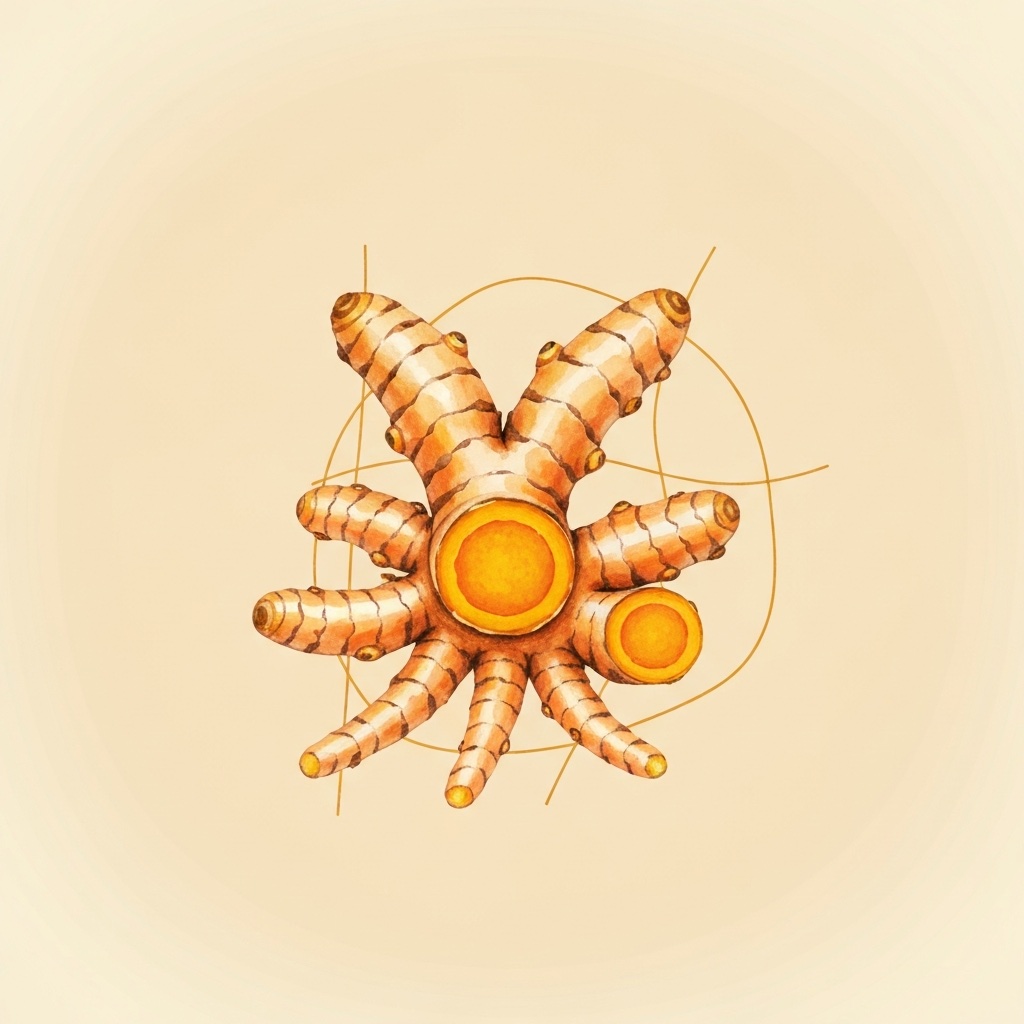
Turmeric
Curcuma longa
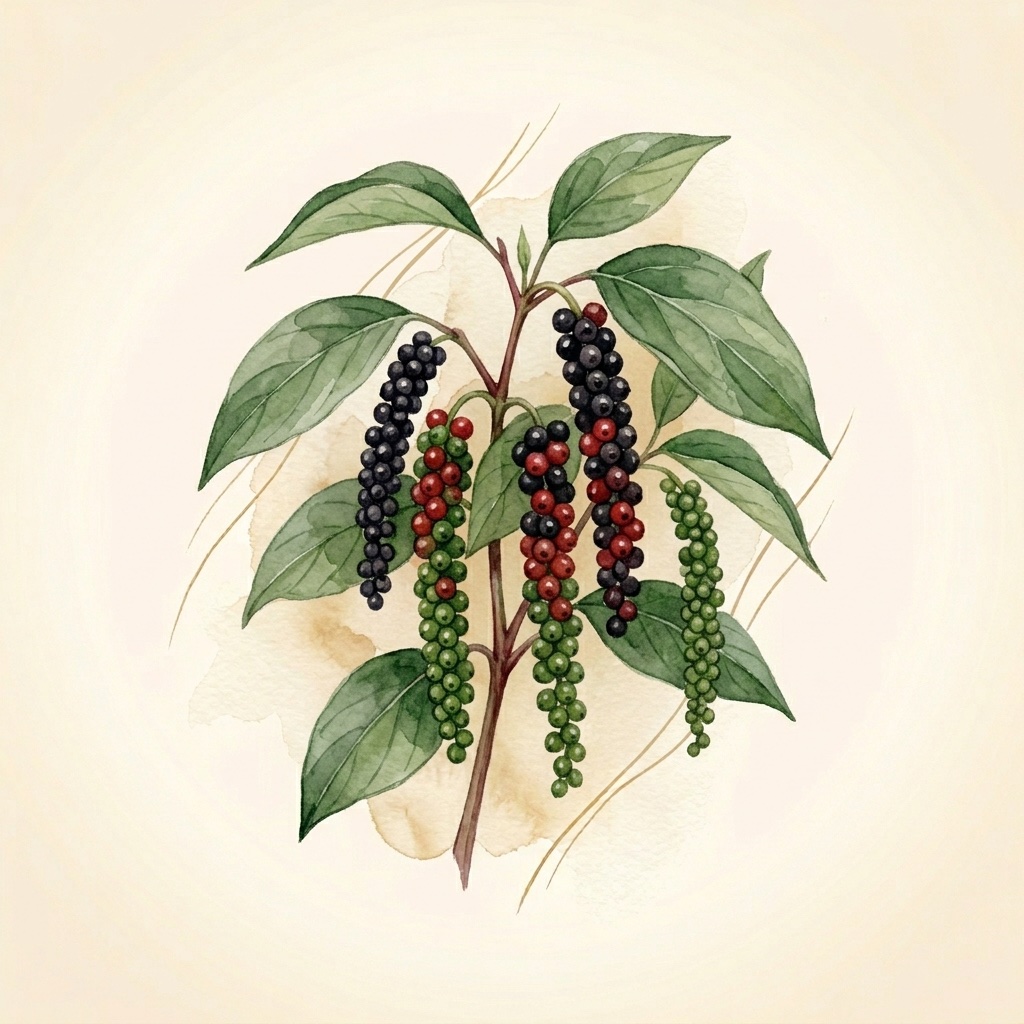
Black Pepper
Piper nigrum
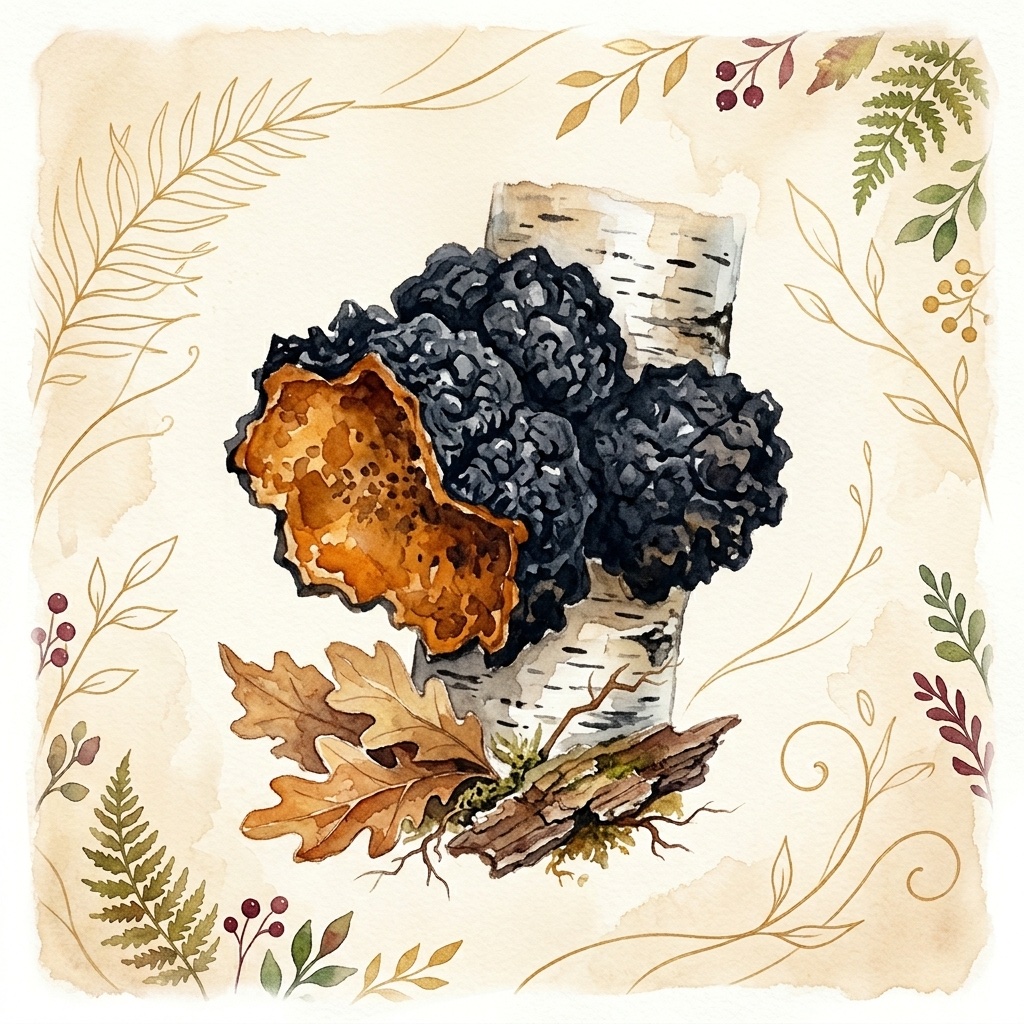
Chaga Mushroom
Inonotus obliquus
Three products. One protocol.
Pick 3. Save 25%. Free shipping every order. Myco cycles compounds monthly so your body never plateaus — and you never run out.
I built Nomad Nutrients because the supplement aisle is broken. Timing, dosing, and stack design matter more than the latest hero ingredient. We get the boring stuff right so you don't have to.
Build a stack from this article
$71.02$94.70
Comments
Leave a Comment
Keep reading.
5 Signs Your Gut Is Running the Rest of Your Body
Skin breakouts, brain fog after meals, immune issues that track with GI symptoms, chronic inflammation, and nutrient malabsorption — five signs that gut dysfunction is driving problems you're treating downstream.
When to Take Every Supplement (The Complete Timing Guide)
Your body absorbs, metabolizes, and responds to nutrients differently depending on when you take them. Fat-soluble compounds taken without fat pass through you. Stimulatory adaptogens taken at night keep you up. Minerals taken together compete for the same transporters. This is the complete timing protocol — organized by window, with the pharmacokinetic reasoning behind every recommendation.
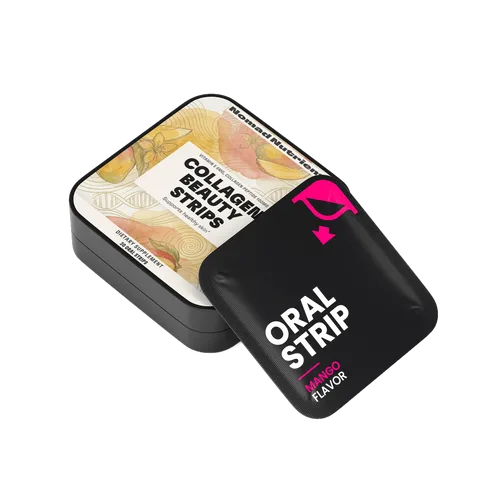
6 Ways to Get Mushrooms Into Your Stack — And Why Format Matters
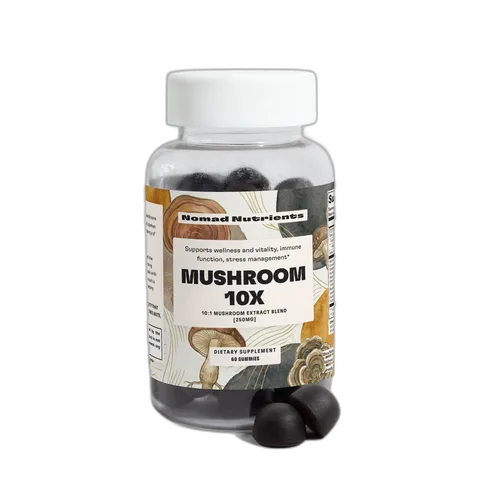
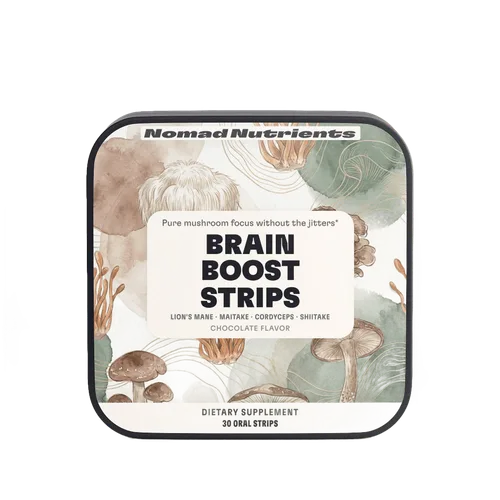
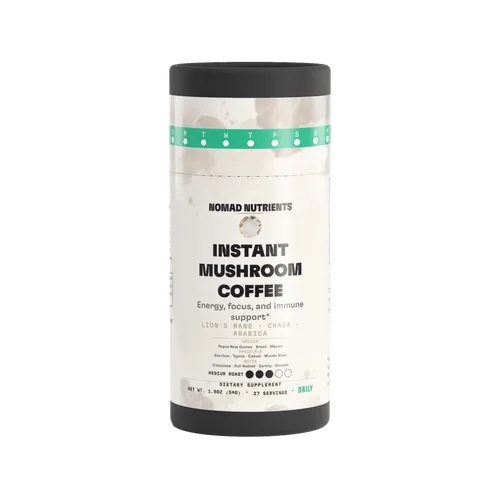
Capsules, gummies, sublingual strips, mushroom coffee, fermented complex, cacao blend — six formats for functional mushrooms and why the delivery mechanism changes what you actually get.
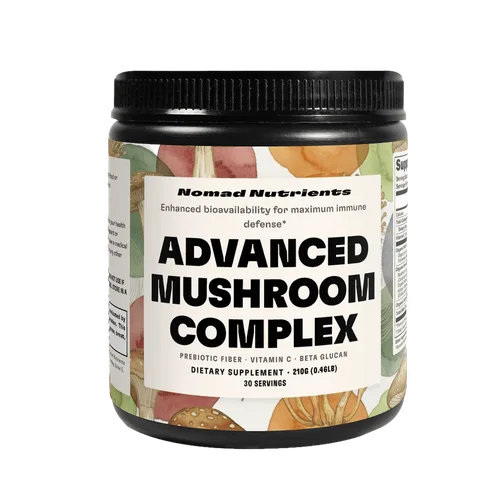

Why Your Collagen Routine Still Isn't Working
Collagen rebuilds skin's protein matrix. It doesn't touch hair or nails, and it doesn't work without the minerals that hold it together. Here's the 3-layer system that actually covers all three.
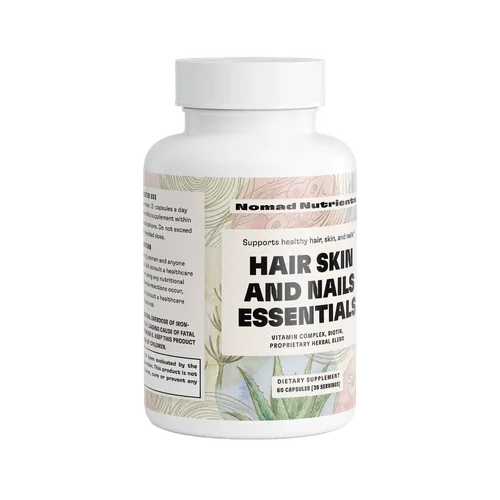
5 Reasons You Crash at 2pm (And the Compound Fix for Each)
The afternoon energy crash isn't one problem — it's five distinct biological failure modes, each with a different root cause and a different compound fix. Here's how to find yours.
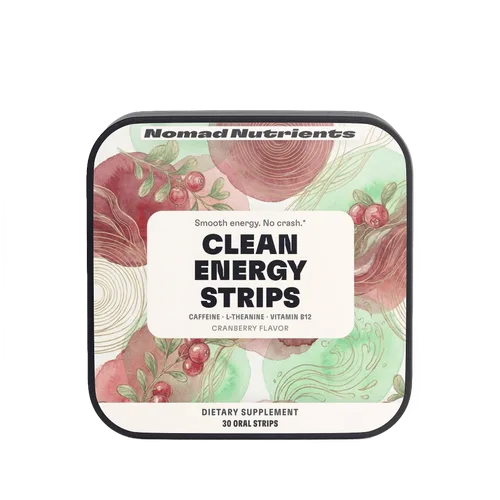
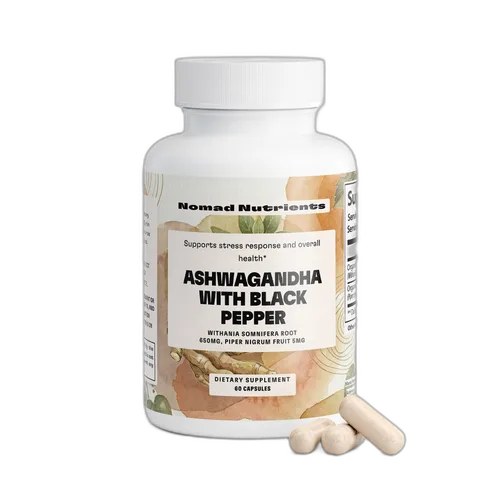
5 Supplements for Dads and Dads-to-Be
Nobody tells you that becoming a dad is a physiological event — not just an emotional one. Your sleep architecture collapses. Your cortisol stays elevated for months. Your immune system gets stress-tested by every daycare pathogen your kid brings home. And if you're not a dad yet but trying to be, your sperm quality is shaped by the same compounds that will keep you functional after the baby arrives. Five supplements that serve both sides of the transition.
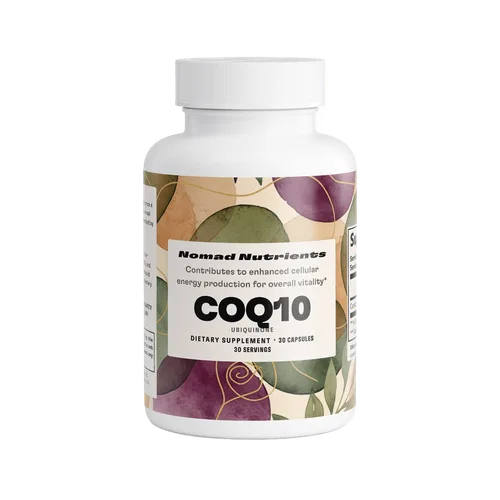
Four products. Earned their place in every stack.
These float to the top of nearly every Smart Stack — broad pathway coverage, strong evidence, real doses. Curated by Myco, rotated when something better comes along.
Mushroom 10X
Ten species in one capsule — the whole-spectrum support for immunity, focus, and energy.
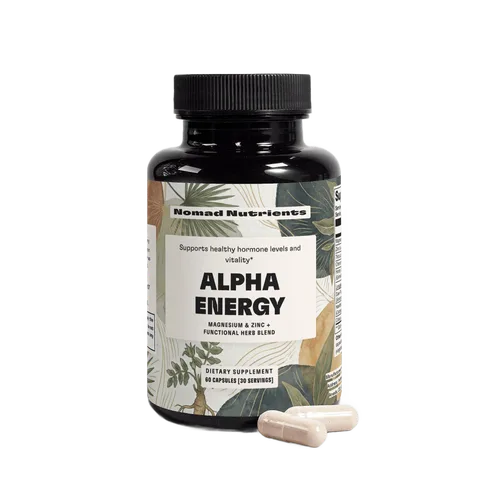
Alpha Energy
Testosterone. Energy. Drive. — Zinc, magnesium, and Tongkat Ali for natural vitality and peak performance.
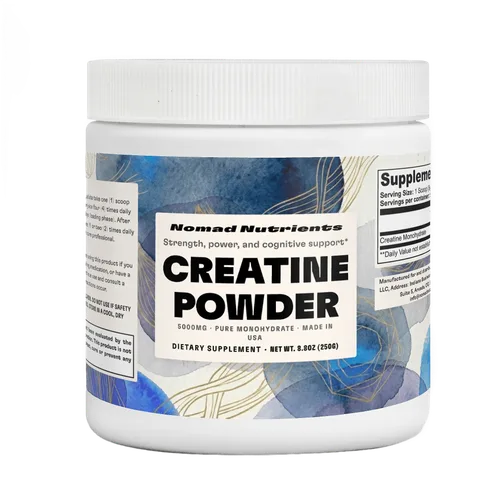
Creatine Powder
The most-studied compound on earth. 5g pure — for stronger muscle and sharper thinking.
Ashwagandha
Cortisol control, calm focus, and deep recovery — the adaptogen that earns its place in every stack.
Founder’s Story
"Hi, I'm Tanner. I built Nomad for optimizers who want a real system — not just a subscription. You choose the direction, we handle the navigation. Pick your path and we'll route you there."
— Tanner
Chief Mushroom Officer