5 Signs Your Gut Is Running the Rest of Your Body
Skin breakouts, brain fog after meals, immune issues that track with GI symptoms, chronic inflammation, and nutrient malabsorption — five signs that gut dysfunction is driving problems you're treating downstream.


The gut is not a passive digestive tube. It's an immune organ (70% of immune cells live there), a neuroendocrine organ (producing more serotonin than the brain), a barrier system (deciding what enters systemic circulation and what doesn't), and a microbial ecosystem (housing trillions of organisms that influence everything from mood to metabolism). When the gut is dysfunctional, the downstream effects show up in systems that seem unrelated — skin, cognition, immunity, inflammation, and nutrient status.
The five patterns below are signs that the gut is driving problems you may be treating at the symptom level. Addressing the gut mechanism changes the equation fundamentally.
Skin Breakouts That Don't Respond to Topicals
The gut-skin axis is a bidirectional communication pathway between gut microbiome health and cutaneous inflammation. When gut barrier integrity is compromised — through stress, processed food, antibiotic disruption, or mineral depletion — bacterial products (lipopolysaccharides) translocate across the gut wall into systemic circulation. These endotoxins trigger an immune response that manifests as skin inflammation: acne that doesn't respond to topical treatment, rosacea flares that track with dietary patterns, eczema that worsens with stress.
The pattern is specific: skin issues that persist despite a good topical routine, that correlate with GI symptoms (bloating, irregularity, discomfort after meals), and that fluctuate with dietary changes or stress levels. This pattern points to the gut as the upstream driver, not the skin as the primary problem.
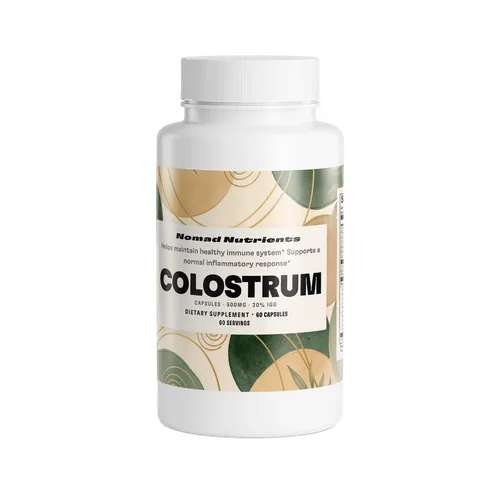
Bovine colostrum delivers immunoglobulin G (IgG) antibodies directly to the gut lining, providing passive immune support that reduces the endotoxin translocation driving systemic skin inflammation. It also contains lactoferrin, proline-rich polypeptides, and growth factors that support gut epithelial repair — rebuilding the barrier that's allowing bacterial products through in the first place. Clinical research in populations with increased gut permeability shows significant reductions in intestinal permeability markers with colostrum supplementation. By addressing the gut barrier problem, the skin inflammation that it's driving resolves through the removal of the upstream cause rather than the suppression of the downstream symptom.
Brain Fog After Meals Is a Gut Signal
Post-prandial cognitive decline — the brain fog, sluggishness, and reduced mental clarity that follows meals — is not simply about blood sugar. While glycemic response plays a role, a significant driver is the gut-brain axis response to food: histamine release from gut mast cells, inflammatory cytokine signaling from a reactive gut lining, and the metabolic byproducts of a dysbiotic microbiome processing food inputs. If brain fog reliably follows meals (particularly meals with processed food, high sugar, or common food sensitivities), the gut's reaction to what you're eating is generating neuroinflammatory signals that impair cognitive function.
The pattern that distinguishes gut-driven brain fog from simple glycemic response: it happens with meals that shouldn't cause a sugar crash (adequate protein, moderate carb), it correlates with GI discomfort, and it's worse on days when overall gut symptoms are elevated.
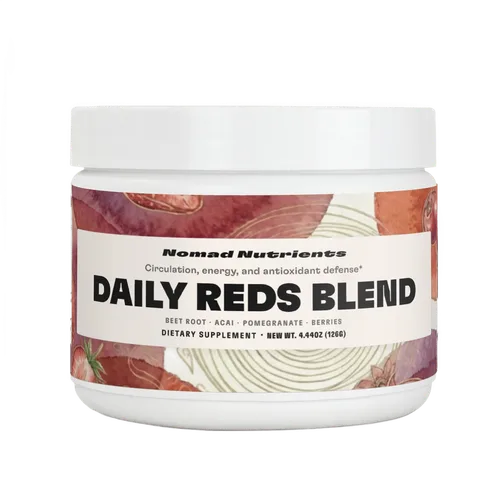
A superfood reds blend delivers concentrated polyphenols from beetroot, pomegranate, acai, and other high-ORAC plant sources — compounds that have documented effects on gut microbiome diversity and gut lining integrity. Polyphenols feed beneficial gut bacteria (functioning as prebiotics), reduce gut-level oxidative stress that drives mast cell reactivity, and support the tight junction proteins that maintain barrier integrity. The diversity of polyphenol sources matters: different plant polyphenols feed different bacterial populations, and microbiome diversity is the variable most strongly correlated with reduced gut-derived inflammation. A daily reds serving addresses the microbiome and barrier layers of the problem that post-meal brain fog signals.
Don't shop alone. Build with Myco.
Tell Myco your goals. He'll pull the three compounds that fit your life and time-zone — locked-in founding pricing.
Your Immune Issues Track With Your GI Symptoms
If you notice that you catch colds when your gut is off, that immune resilience declines during periods of GI distress, or that upper respiratory infections follow courses of antibiotics — you're observing the gut-immune connection in real time. 70% of immune cells reside in the gut-associated lymphoid tissue (GALT). The gut microbiome directly trains and regulates immune function through pattern recognition receptor activation, short-chain fatty acid production, and regulatory T-cell development.
When the gut microbiome is depleted or the gut barrier is compromised, immune regulation suffers at its primary training ground. The immune system doesn't just weaken — it dysregulates: increased susceptibility to infection alongside increased inflammatory reactivity. The combination of getting sick more often and having more allergic or inflammatory reactions is a hallmark of gut-immune axis disruption.
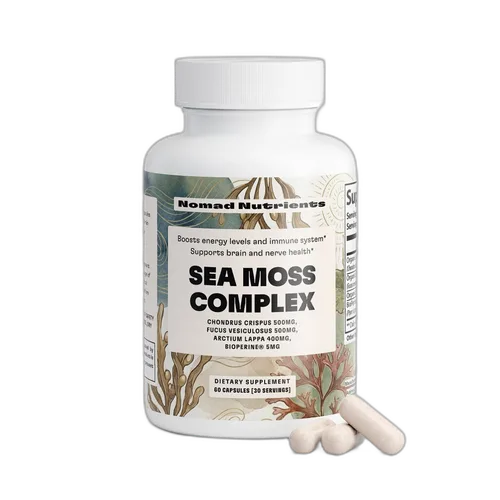
Wildcrafted sea moss provides 92 trace minerals in ionic form — including zinc (required for thymulin production and T-cell maturation), selenium (essential for glutathione peroxidase activity that protects immune cells), and iodine (critical for thyroid function, which regulates metabolic support of immune responses). The mucilaginous polysaccharides in sea moss coat the intestinal lining, providing a soothing barrier effect that supports gut epithelial health. The prebiotic fiber content feeds beneficial gut bacteria whose populations are depleted during GI distress. Sea moss addresses the gut-immune axis from multiple angles simultaneously: mineral cofactors for immune cell function, gut lining support, and microbiome feeding — the three layers where gut-immune communication occurs.
Chronic Inflammation That Doesn't Have an Obvious Source
Systemic inflammation with no identifiable acute cause — elevated CRP, joint stiffness, fatigue, brain fog, slow recovery from exercise — often has its origin in the gut. A compromised gut barrier allows lipopolysaccharides (LPS) from gram-negative bacteria to enter systemic circulation, triggering a continuous low-grade immune response. This is sometimes called "metabolic endotoxemia" — a state where the immune system is constantly responding to bacterial products that shouldn't be in the bloodstream.
The insidious part: the GI symptoms may be subtle or absent. You don't need dramatic digestive complaints for gut-driven inflammation to be operating. A mildly permeable gut barrier can produce significant systemic inflammatory load without the bloating, pain, or irregularity that would obviously point to the gut as the source.
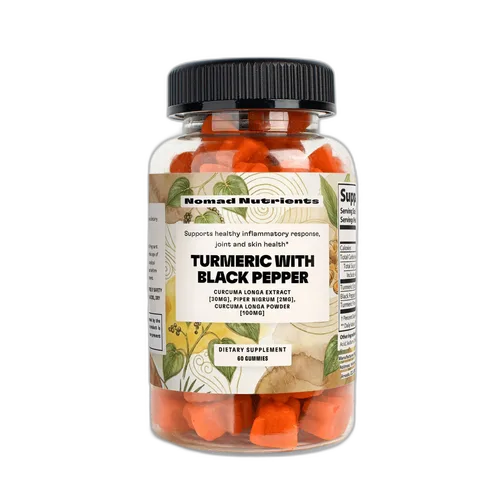
Curcumin with piperine inhibits NF-kB — the transcription factor that serves as the master switch for inflammatory gene expression — reducing the production of the pro-inflammatory cytokines (IL-6, TNF-alpha, CRP) that gut-derived endotoxemia triggers. The anti-inflammatory effect operates systemically, regardless of the inflammatory source, but it's particularly relevant for gut-driven inflammation because it addresses the downstream cascade while the gut barrier repairs. Piperine increases curcumin bioavailability by approximately 2,000% by inhibiting the hepatic metabolism that otherwise rapidly degrades curcumin before it reaches effective plasma concentrations. Daily use at 6–8 weeks produces measurable reductions in inflammatory markers.
You Take Supplements But Don't Feel Them Working
Nutrient malabsorption — the failure to adequately absorb nutrients from food and supplements — is one of the most common and least diagnosed consequences of gut dysfunction. The small intestine is where the vast majority of nutrient absorption occurs, and its absorptive capacity depends on intact villi, adequate digestive enzyme production, appropriate transit time, and a healthy mucus layer. When any of these are compromised — by inflammation, dysbiosis, food sensitivities, or barrier dysfunction — nutrients pass through without being adequately taken up.
The telling pattern: you eat well, you supplement, and you still show deficiency markers or feel the fatigue, weakness, and cognitive dullness that deficiencies produce. The inputs are there. The uptake is impaired. This is one of the most frustrating gut-driven problems because you're doing everything right and still not getting the results the inputs should produce.
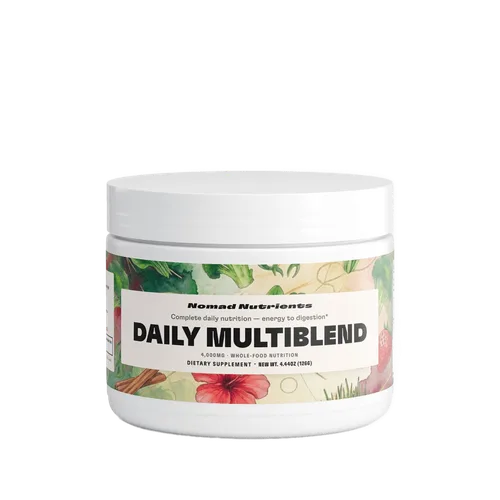
A daily multiblend combining bioavailable forms of essential vitamins and minerals with digestive support compounds addresses the malabsorption problem from both sides: providing nutrients in forms optimized for uptake, and supporting the digestive infrastructure that determines whether uptake actually occurs. B-vitamins in methylated forms bypass the conversion steps that compromised gut function impairs. Chelated minerals absorb through different transporters than oxide forms, reducing dependence on the acid-dependent absorption pathways that gut dysfunction degrades. The comprehensive approach matters because malabsorption rarely affects one nutrient — it's a systemic impairment that creates multiple simultaneous deficits.
The gut is upstream of more systems than most people realize. Skin, cognition, immunity, inflammation, and nutrient status are all downstream of gut function — and addressing them at the symptom level while the gut remains dysfunctional produces the partial, inconsistent results that make people lose faith in supplementation entirely.
Start with the signal that's most present in your experience. Then look at the gut mechanism driving it. Fixing the upstream problem changes what's possible downstream.
Key Ingredients

Bovine Colostrum
Bos taurus colostrum
Probiotics
Multi-strain Blend

Irish Moss
Chondrus crispus
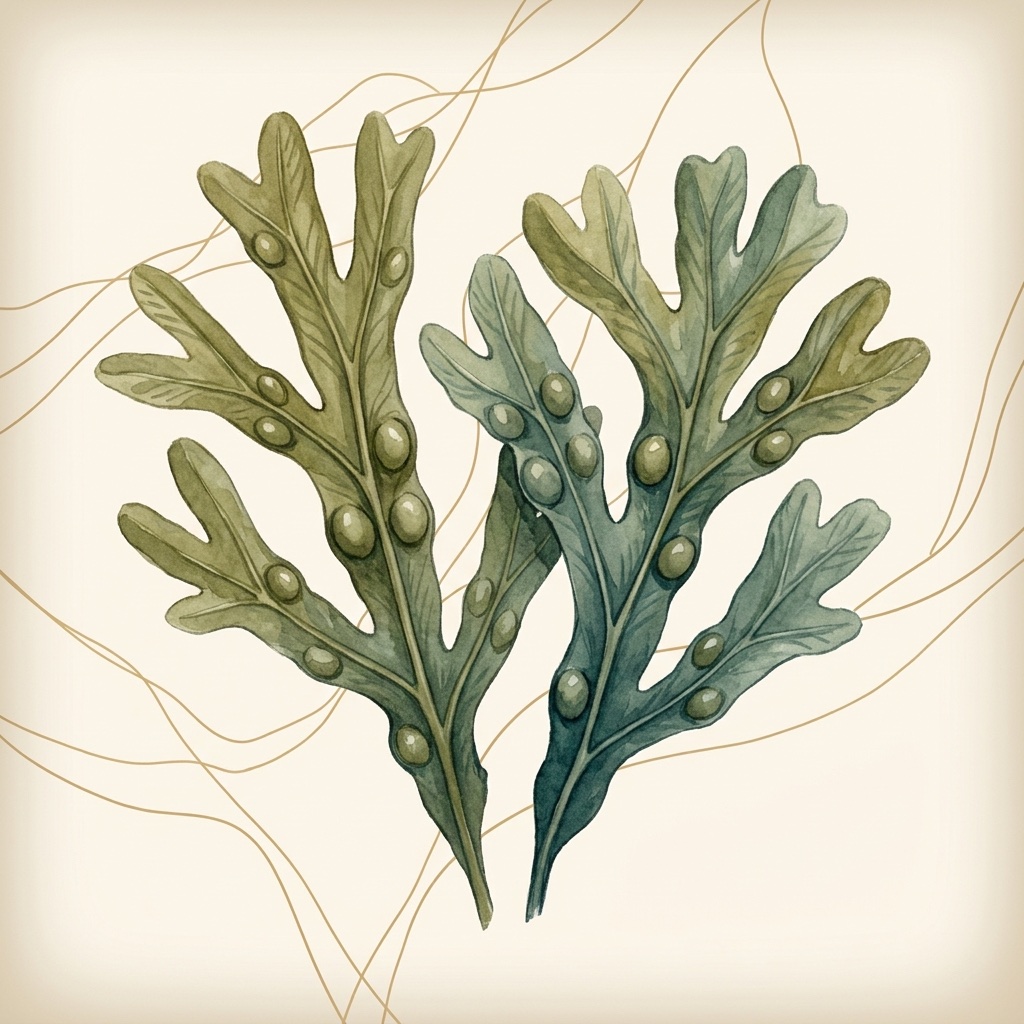
Bladderwrack
Fucus vesiculosus

Burdock Root
Arctium lappa
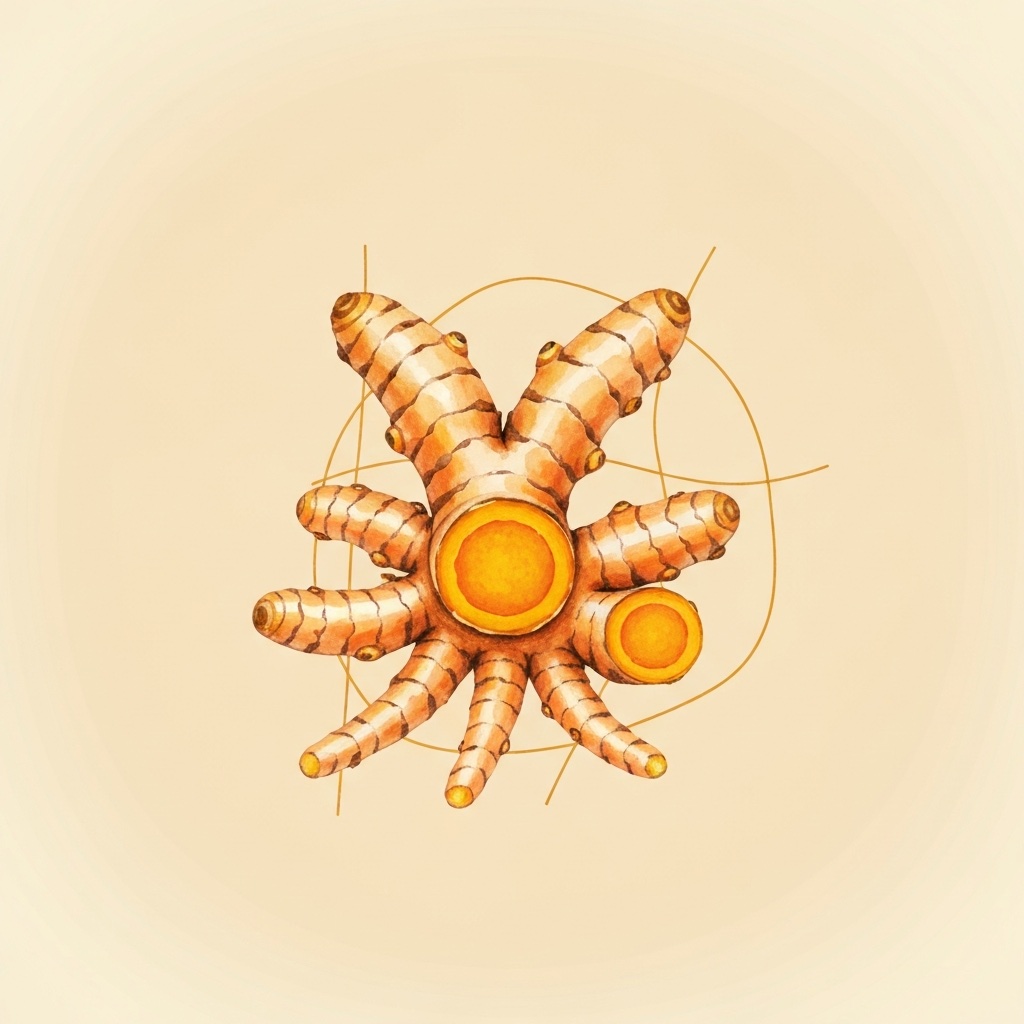
Turmeric
Curcuma longa
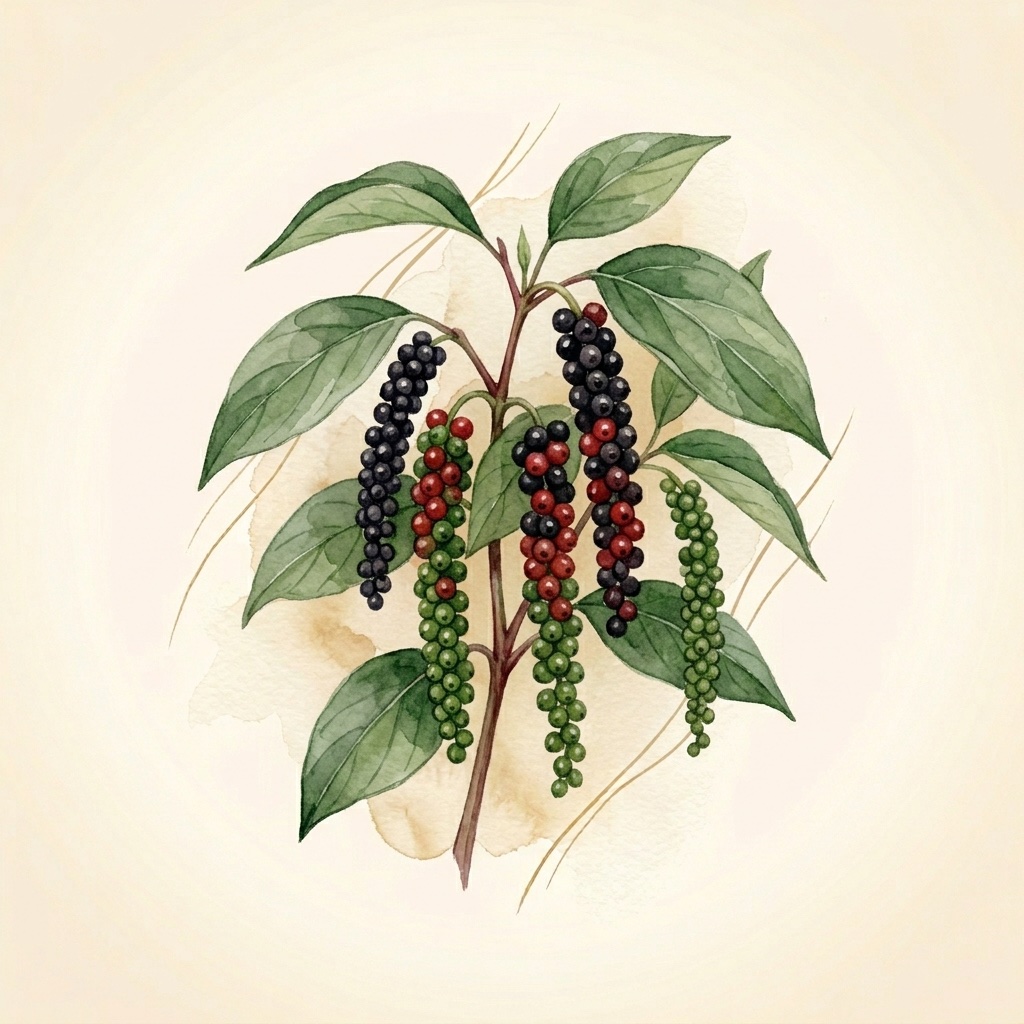
Black Pepper
Piper nigrum
Three products. One protocol.
Pick 3. Save 25%. Free shipping every order. Myco cycles compounds monthly so your body never plateaus — and you never run out.
I built Nomad Nutrients because the supplement aisle is broken. Timing, dosing, and stack design matter more than the latest hero ingredient. We get the boring stuff right so you don't have to.
Build a stack from this article
$65.02$86.70
Comments
Leave a Comment
Keep reading.
5 Immune Weak Points You're Probably Ignoring
Gut barrier integrity, beta-glucan exposure, oxidative burden, trace mineral status — your immune system has layers that multivitamins don't address. Here's where the gaps actually are.
Why Your Collagen Routine Still Isn't Working
Collagen rebuilds skin's protein matrix. It doesn't touch hair or nails, and it doesn't work without the minerals that hold it together. Here's the 3-layer system that actually covers all three.
5 Reasons You Crash at 2pm (And the Compound Fix for Each)
The afternoon energy crash isn't one problem — it's five distinct biological failure modes, each with a different root cause and a different compound fix. Here's how to find yours.
When to Take Every Supplement (The Complete Timing Guide)
Your body absorbs, metabolizes, and responds to nutrients differently depending on when you take them. Fat-soluble compounds taken without fat pass through you. Stimulatory adaptogens taken at night keep you up. Minerals taken together compete for the same transporters. This is the complete timing protocol — organized by window, with the pharmacokinetic reasoning behind every recommendation.
5 Supplements for Dads and Dads-to-Be
Nobody tells you that becoming a dad is a physiological event — not just an emotional one. Your sleep architecture collapses. Your cortisol stays elevated for months. Your immune system gets stress-tested by every daycare pathogen your kid brings home. And if you're not a dad yet but trying to be, your sperm quality is shaped by the same compounds that will keep you functional after the baby arrives. Five supplements that serve both sides of the transition.
5 Ancient Superfoods That Modern Science Actually Validates
Bee bread, shilajit, moringa, sea moss — these aren't wellness trends. They're ancient nutritional technologies with modern clinical data behind them. Here's what they replace and why they work better.
Four products. Earned their place in every stack.
These float to the top of nearly every Smart Stack — broad pathway coverage, strong evidence, real doses. Curated by Myco, rotated when something better comes along.
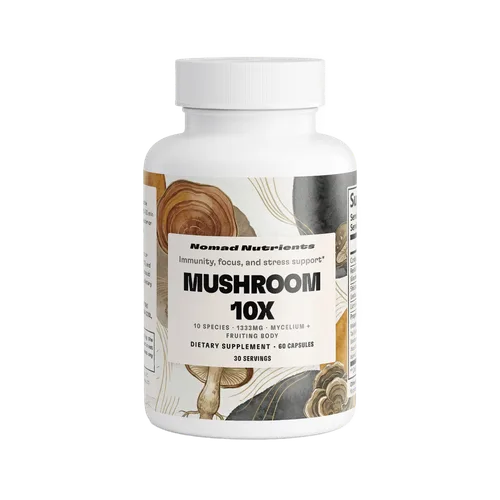
Mushroom 10X
Ten species in one capsule — the whole-spectrum support for immunity, focus, and energy.
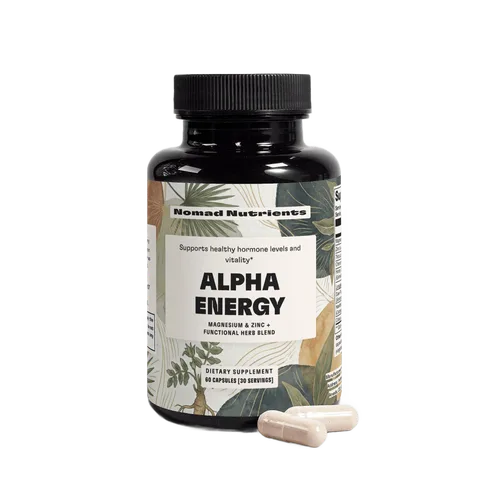
Alpha Energy
Testosterone. Energy. Drive. — Zinc, magnesium, and Tongkat Ali for natural vitality and peak performance.
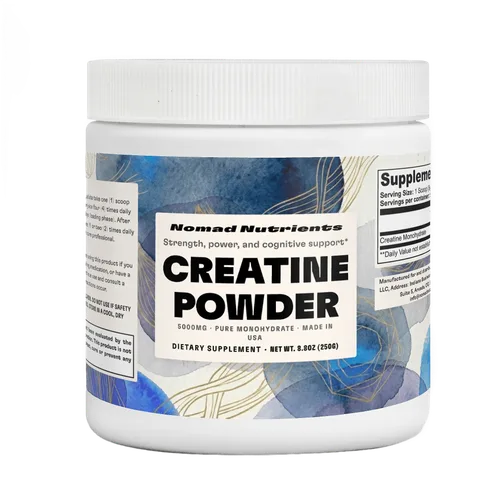
Creatine Powder
The most-studied compound on earth. 5g pure — for stronger muscle and sharper thinking.
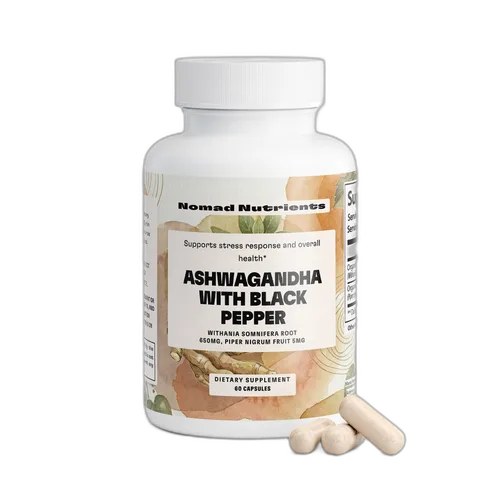
Ashwagandha
Cortisol control, calm focus, and deep recovery — the adaptogen that earns its place in every stack.
Founder’s Story
"Hi, I'm Tanner. I built Nomad for optimizers who want a real system — not just a subscription. You choose the direction, we handle the navigation. Pick your path and we'll route you there."
— Tanner
Chief Mushroom Officer