6 Reasons Your Sleep Isn't Actually Restoring You
Duration is not the same as quality. Six specific mechanisms determine whether the hours you sleep actually restore you — and each one can be addressed independently.

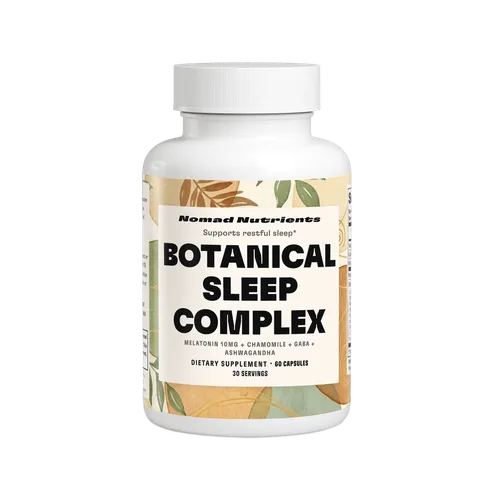
Most sleep advice addresses the same variable: more hours. Go to bed earlier. Don't use your phone. Keep the room dark. This advice isn't wrong — but it assumes the problem is insufficient duration. For a significant portion of people, the problem isn't duration. It's architecture.
Sleep is not a monolithic event. It cycles through stages — light sleep, deep slow-wave sleep, and REM — and the ratio of time spent in each stage determines whether you wake restored or depleted regardless of how many hours you logged. Below are six mechanisms that degrade sleep quality independently of duration, and what specifically addresses each one.
Your Melatonin Dose Is Too High
The standard melatonin product delivers 5–10mg per dose. Research-supported doses for sleep onset in adults are 0.3–0.5mg — a fraction of what's in most products. This matters for a specific reason: melatonin receptor sensitivity. Chronically high exogenous melatonin downregulates melatonin receptor density over time. The MT1 and MT2 receptors that mediate sleep onset become desensitized, requiring progressively higher doses to achieve the same effect.
This is why many people who've used high-dose melatonin nightly for months find it doesn't work the way it used to — the receptors responsible for the sleep-initiation signal have adapted to the pharmacological dose. The solution isn't more melatonin; it's less, delivered more precisely.
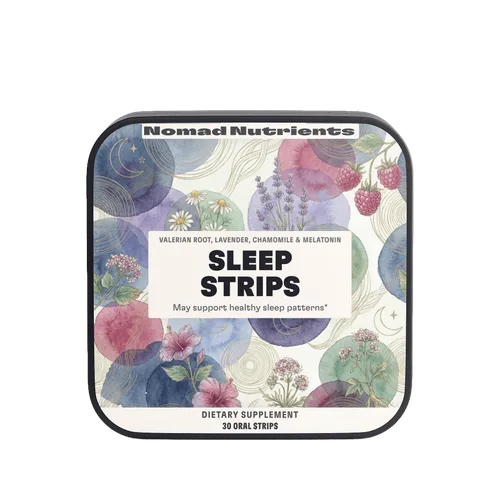
Sublingual sleep strips deliver micro-dose melatonin (0.3mg) directly into systemic circulation through the oral mucosa, bypassing hepatic first-pass metabolism that degrades oral tablets inconsistently. The low dose preserves receptor sensitivity rather than chronically saturating it, and the sublingual format means onset is 15–20 minutes rather than the 45–60 minutes of tablets. A cycling protocol — five nights on, two nights off — further maintains receptor sensitivity over weeks of use. This is melatonin used as a timing signal rather than a sedative, which is what the physiology actually calls for.
You Fall Asleep Fine But Wake at 3am
The 3am waking pattern is one of the most common sleep complaints and one of the most specific in its physiology. Sleep onset and sleep maintenance are distinct processes driven by different mechanisms. Melatonin governs the transition to sleep. GABA — the brain's primary inhibitory neurotransmitter — governs the maintenance of deep sleep through the middle of the night. When GABA tone is insufficient, the nervous system's arousal system breaks through the inhibitory signal, producing the characteristic "wide awake at 3am" pattern even after normal sleep onset.
Adding more melatonin to address this doesn't work because melatonin isn't the mechanism. It's a timing signal, not a sedative. The maintenance problem requires inhibitory signaling support, not more onset signal.
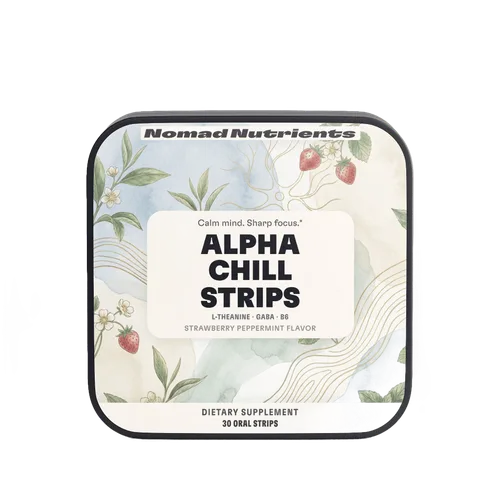
Alpha Chill strips deliver sublingual GABA alongside L-theanine — supporting the inhibitory tone that maintains sleep depth through the second half of the night. Sublingual delivery achieves faster onset and better absorption than oral GABA capsules, where gut and hepatic metabolism significantly reduces systemic availability. Taken at initial bedtime (not at the 3am waking, which is too late for meaningful effect), they support the GABA-A receptor signaling that keeps arousal thresholds elevated through the night. For the specific pattern of normal onset with poor maintenance, this is the targeted intervention.
Don't shop alone. Build with Myco.
Tell Myco your goals. He'll pull the three compounds that fit your life and time-zone — locked-in founding pricing.
Your Body Runs Hot at Night
Core body temperature drops 1–2°F as part of the sleep transition — this cooling is both a symptom of sleep onset and a physiological requirement for it. The drop occurs through peripheral vasodilation: blood flow is redirected to the skin surface, where heat dissipates. When this process is impaired — by high ambient temperature, elevated cortisol (which maintains vascular tone), or magnesium deficiency (which impairs smooth muscle relaxation in blood vessels) — the core temperature doesn't fall adequately, and sleep architecture suffers.
People who sleep hot consistently log less time in slow-wave and REM sleep. The relationship is mechanistic, not correlational: the sleep stages that drive physical recovery and cognitive consolidation require a lower core temperature to sustain.
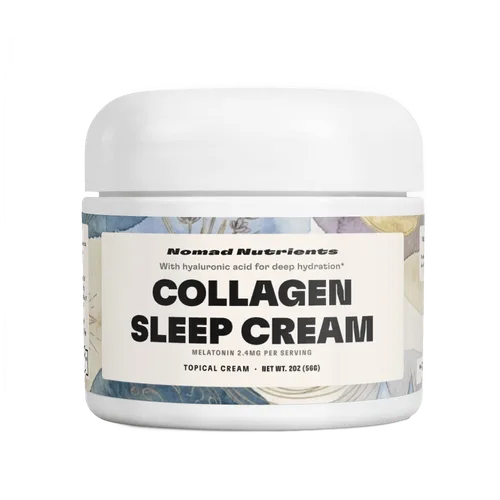
Transdermal magnesium in sleep cream penetrates through the skin into the underlying tissue, bypassing the gastrointestinal absorption variability that affects oral magnesium supplements. Applied to the chest and inner wrists before bed, the magnesium supports smooth muscle relaxation in peripheral blood vessels — facilitating the vasodilation that drives core temperature reduction. Magnesium also supports GABA-A receptor sensitivity, compounding the effect on nervous system downregulation. For people who sleep warm and wake unrestored, addressing the temperature regulation mechanism often produces more noticeable improvement than adding more sleep supplements.
You're Missing the Botanical Synergy Window
Slow-wave sleep — the deepest stage, responsible for physical restoration, growth hormone release, and immune consolidation — is most accessible in the first 90–120 minutes of sleep. This is when slow-wave architecture is densest, and it's the window most sensitive to physiological support. After this window, slow-wave sleep becomes less accessible and the night shifts toward REM-dominant cycling.
Single-ingredient sleep supplements typically target onset or general sedation. They rarely address slow-wave sleep architecture specifically. Valerian root, passionflower, and lemon balm each operate on distinct inhibitory receptor systems — valerian on GABA-A with a different binding site than benzodiazepines, passionflower on GABA-A via flavonoids, lemon balm via GABA transaminase inhibition (reducing GABA degradation). Together, they create an inhibitory environment that extends time in slow-wave sleep rather than just accelerating the transition into it.
A botanical sleep complex combining valerian root, passionflower, and lemon balm at clinically studied ratios targets the slow-wave sleep window specifically. The mechanism is convergent inhibition at distinct receptor sites — no single ingredient produces the same effect as the combination because they're not hitting the same targets. Taken 30–45 minutes before bed, the botanical complex creates the inhibitory architecture that allows the nervous system to sustain deeper sleep in the first sleep cycle, where its impact is most significant. This is meaningfully different from general sedation — it's targeted support for the sleep stage that drives physical restoration.
Cortisol Is Still Elevated at Bedtime
Cortisol and melatonin operate on opposing diurnal rhythms. Cortisol peaks in the early morning and should decline steadily through the day, reaching its lowest point around midnight before the next morning surge. Melatonin rises in the evening as cortisol falls, signaling the nervous system to begin sleep preparation. When cortisol doesn't drop adequately by evening — which is the case for most chronically stressed professionals — it suppresses melatonin onset and keeps the nervous system in an elevated activation state that resists sleep initiation.
This explains why people lie in bed wide awake despite being subjectively tired. The fatigue is real. The cortisol-driven arousal system is overriding it. Adding melatonin at this stage helps marginally, but the underlying issue is cortisol interfering with the transition rather than insufficient melatonin.
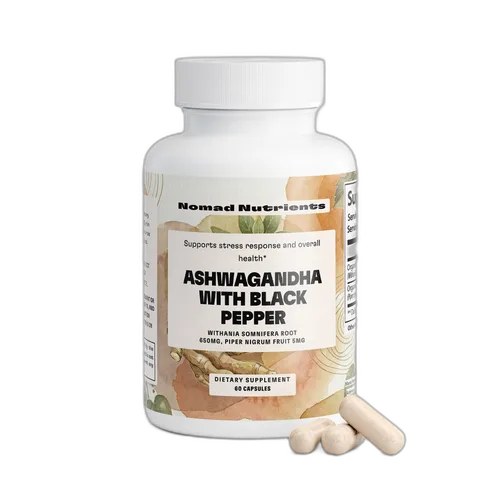
Ashwagandha with black pepper, taken in the evening, targets the HPA axis dysregulation that keeps cortisol elevated past its natural decline. The evening timing aligns with the cortisol-melatonin handoff window specifically. Over 60 days of consistent use, cortisol reductions in the 20–30% range restore the natural diurnal curve — meaning the evening drop that's supposed to happen actually does, melatonin can rise on its natural schedule, and sleep architecture improves structurally rather than requiring intervention every night. This is the intervention that makes other sleep supplements more effective by clearing the cortisol that's been suppressing them.
Sleep Architecture Requires a System, Not a Pill
The five mechanisms above are distinct — onset timing, maintenance depth, temperature regulation, slow-wave architecture, and cortisol clearance. A single product addresses one of them. If your sleep problem is multi-factorial (which most chronic sleep complaints are), a single-ingredient solution will provide partial relief at best — you'll address one bottleneck while the others continue operating.
The pattern most commonly described by people with poor sleep quality: they try melatonin, it stops working; they try magnesium, it helps but not completely; they try ashwagandha, it reduces anxiety but they still wake at 3am. Each intervention is hitting the right mechanism — there are just multiple mechanisms that each need addressing.
The rest stack covers onset (sleep strips, micro-dose melatonin), maintenance (Alpha Chill, GABA + L-theanine), temperature regulation (sleep cream, transdermal magnesium), slow-wave architecture (botanical complex), and cortisol clearance (ashwagandha) simultaneously. This isn't shotgun supplementation — each component has a specific physiological target that the others don't cover. Together they address the full architecture of what restorative sleep actually requires rather than optimizing one variable while the others remain broken.
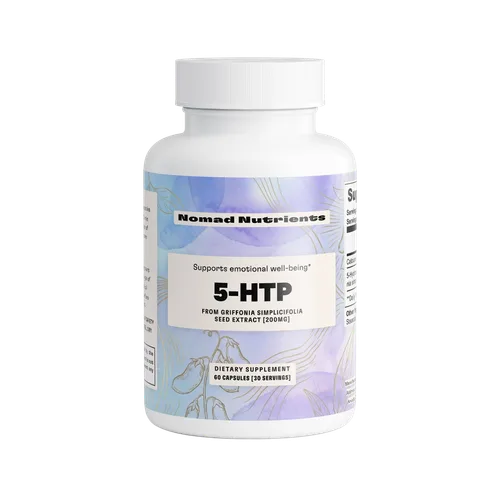
Sublingual melatonin + calming botanicals + 5-HTP = Off-switch
Falls asleep faster, sleeps deeper, wakes up actually rested.


Sleep quality is a system problem. Treating it as a single-variable problem — more melatonin, earlier bedtime, darker room — produces single-variable results. The six mechanisms above each have a specific physiological address. Finding which ones are your bottleneck determines which interventions actually move the needle.
Key Ingredients
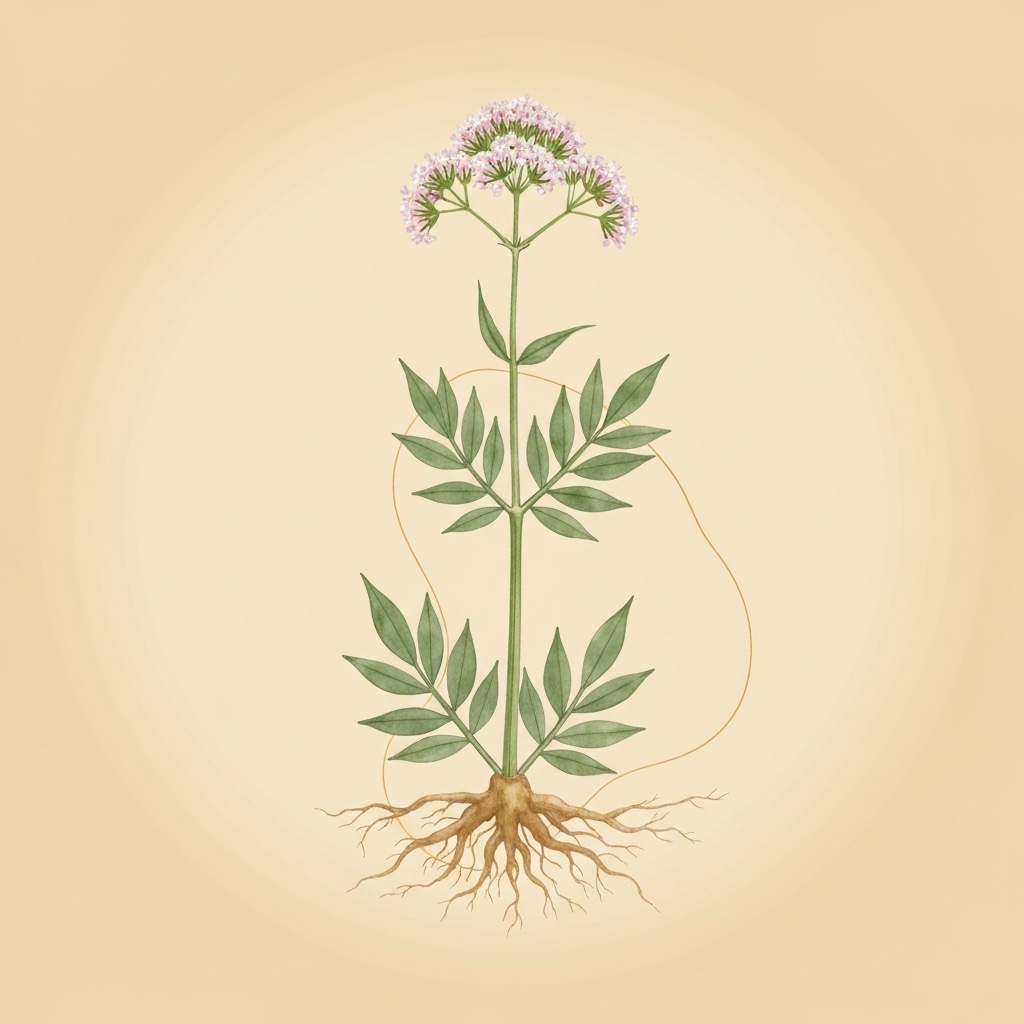
Valerian Root
Valeriana officinalis
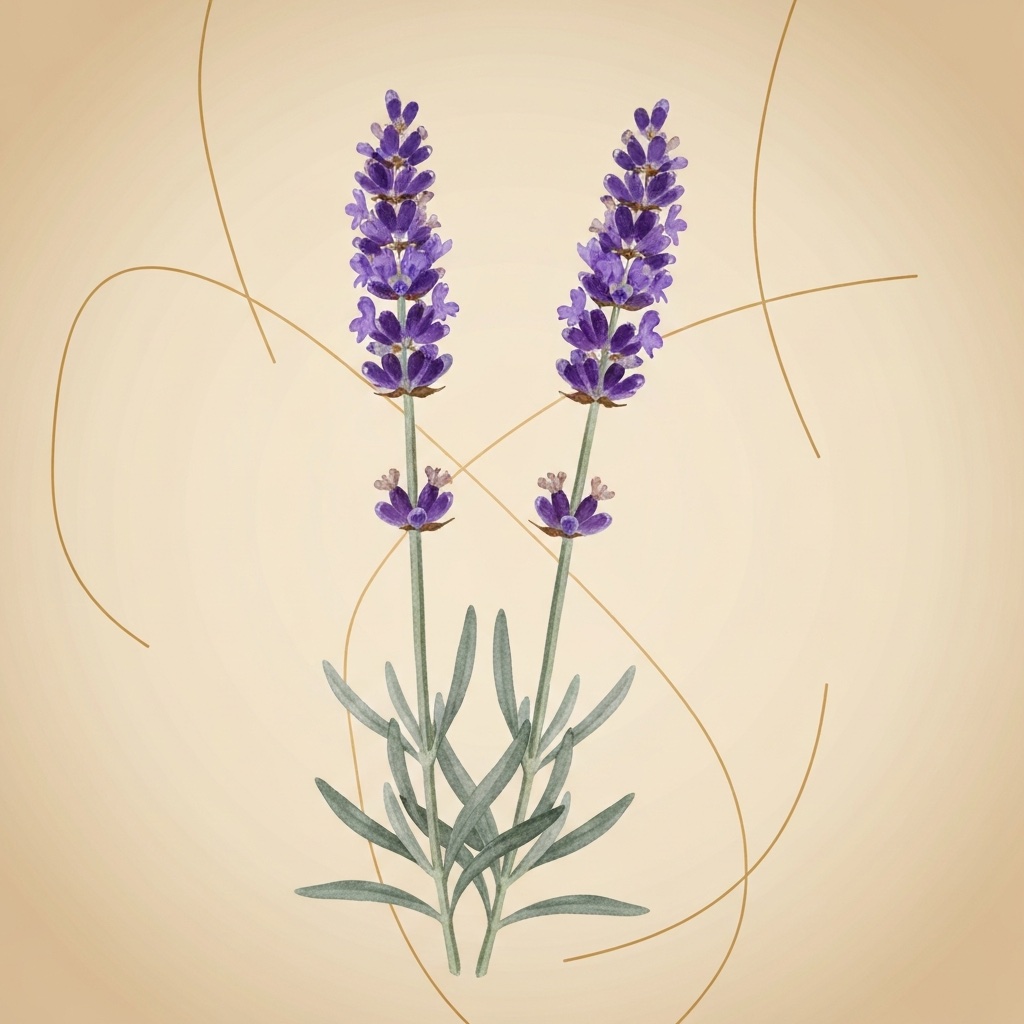
Lavender
Lavandula angustifolia

Chamomile
Matricaria chamomilla

L-Theanine
L-γ-glutamylethylamide

GABA
Gamma-Aminobutyric Acid

Vitamin B6
Pyridoxine Hydrochloride

Ashwagandha
Withania somnifera

Melatonin
N-acetyl-5-methoxytryptamine
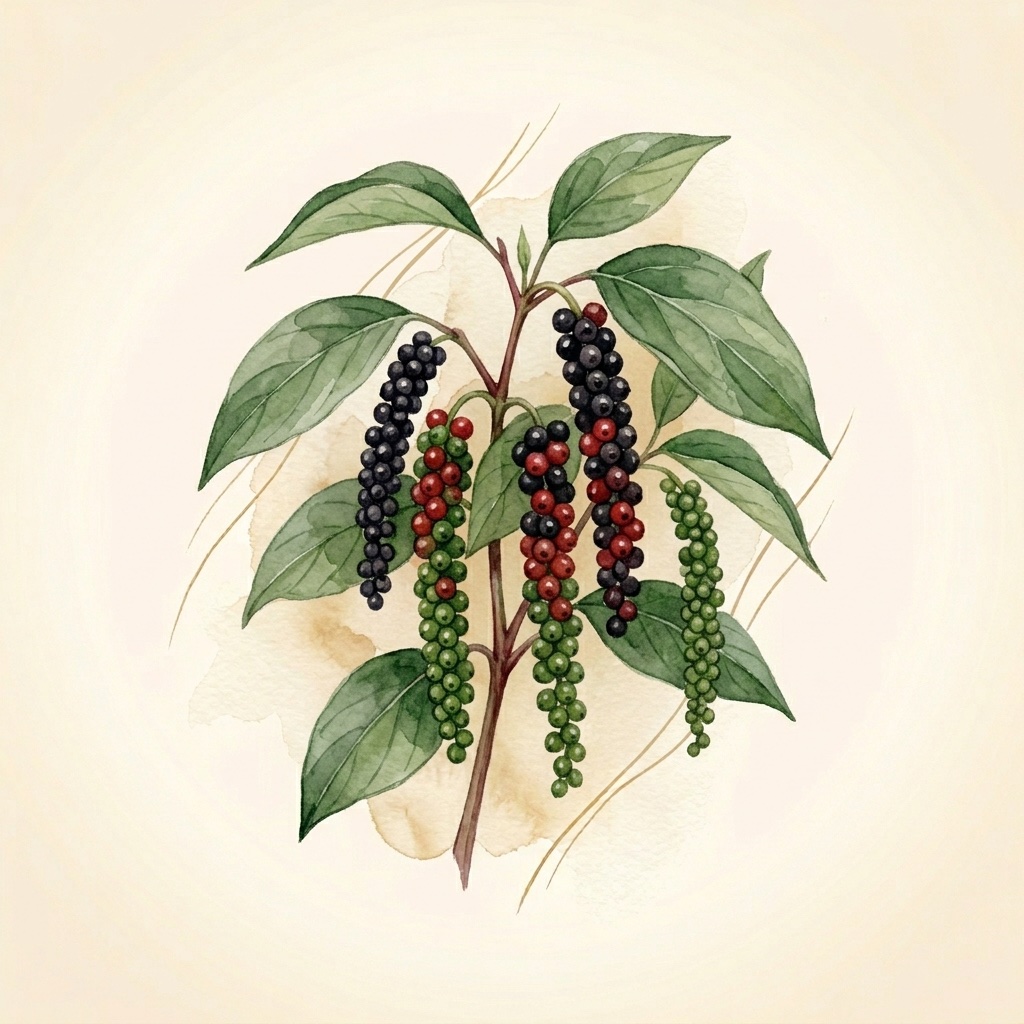
Black Pepper
Piper nigrum
Three products. One protocol.
Pick 3. Save 25%. Free shipping every order. Myco cycles compounds monthly so your body never plateaus — and you never run out.
Code FIRST20 applied at checkout — extra $20 off your first stack
I built Nomad Nutrients because the supplement aisle is broken. Timing, dosing, and stack design matter more than the latest hero ingredient. We get the boring stuff right so you don't have to.
Build a stack from this article
$62.02$82.70
Comments
Leave a Comment
Keep reading.
5 Stress Responses Your Body Is Running Without Your Permission
Elevated resting heart rate. Jaw tension you notice at 5pm. Racing thoughts at bedtime. These aren't personality quirks — they're involuntary physiological stress responses. Here's what's driving each one.
5 Reasons You Crash at 2pm (And the Compound Fix for Each)
The afternoon energy crash isn't one problem — it's five distinct biological failure modes, each with a different root cause and a different compound fix. Here's how to find yours.
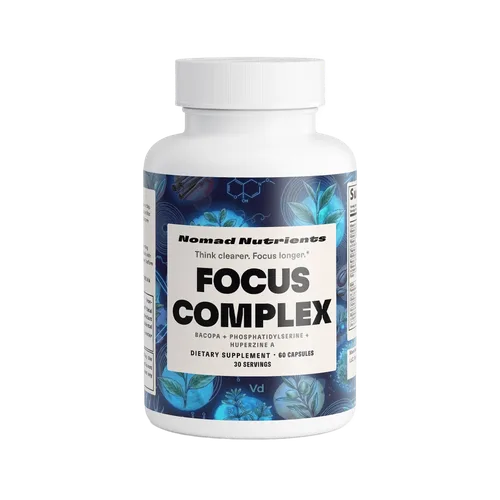
5 Signs Your Brain Is Running on Fumes — And What to Do About Each One
Afternoon fog, expensive context-switching, decisions that drain you — these aren't productivity problems. They're physiological signals. Here's what each one means and what to do about it.
5 Recovery Mistakes That Are Costing You Your Next Workout
You're putting in the training. The adaptation isn't keeping up. These five recovery mistakes are the most common reasons effort stops translating into results.
Melatonin: Why Less Is More (And What Most People Get Wrong About Dosage)
The 10mg melatonin gummy is one of the most well-intentioned mistakes in the supplement aisle. Here's the mechanism that explains why the dose most people take is actively counterproductive — and what actually works.
Why Your Collagen Routine Still Isn't Working
Collagen rebuilds skin's protein matrix. It doesn't touch hair or nails, and it doesn't work without the minerals that hold it together. Here's the 3-layer system that actually covers all three.
Shop the products.
Four products. Earned their place in every stack.
These float to the top of nearly every Smart Stack — broad pathway coverage, strong evidence, real doses. Curated by Myco, rotated when something better comes along.
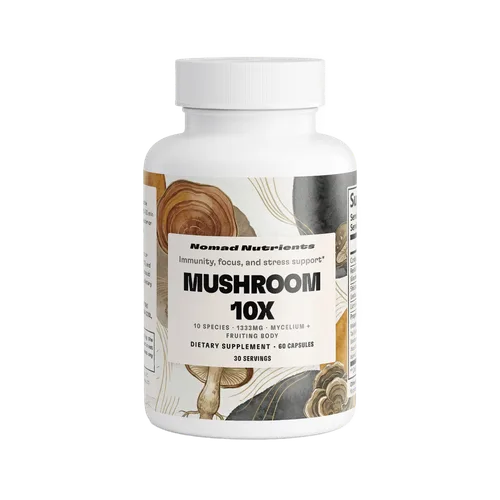
Mushroom 10X
Ten species in one capsule — the whole-spectrum support for immunity, focus, and energy.
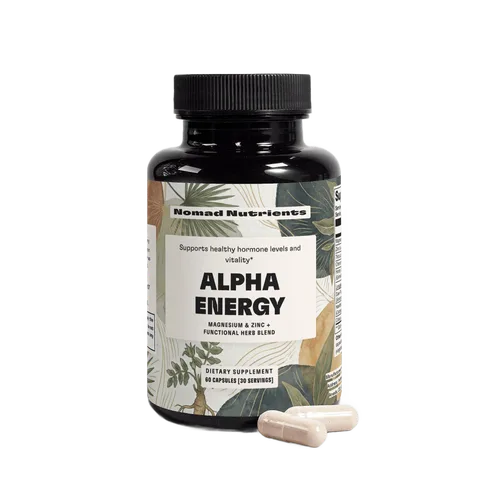
Alpha Energy
Testosterone. Energy. Drive. — Zinc, magnesium, and Tongkat Ali for natural vitality and peak performance.
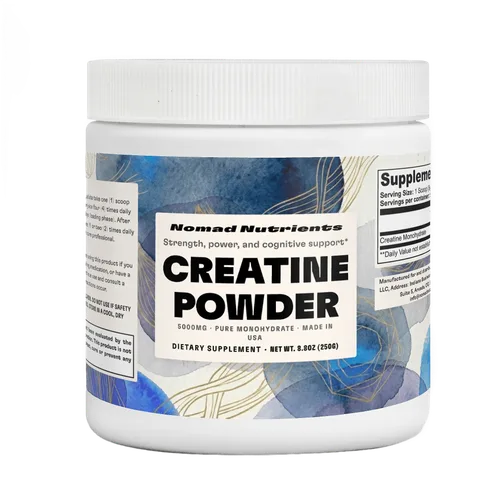
Creatine Powder
The most-studied compound on earth. 5g pure — for stronger muscle and sharper thinking.
Ashwagandha
Cortisol control, calm focus, and deep recovery — the adaptogen that earns its place in every stack.
Founder’s Story
"Hi, I'm Tanner. I built Nomad for optimizers who want a real system — not just a subscription. You choose the direction, we handle the navigation. Pick your path and we'll keep you dialed in."
— Tanner
Chief Mushroom Officer