5 Stress Responses Your Body Is Running Without Your Permission
Elevated resting heart rate. Jaw tension you notice at 5pm. Racing thoughts at bedtime. These aren't personality quirks — they're involuntary physiological stress responses. Here's what's driving each one.

Most stress management advice targets the conscious experience of stress: how you think about it, how you respond to it, how you structure your day to reduce it. This is valuable. But below the level of conscious experience, your autonomic nervous system is running its own programming — and it doesn't wait for your permission.
Five of the most common involuntary stress responses are listed below. Each one has a specific neurochemical driver. And each one can be meaningfully addressed — not by thinking differently, but by changing the physiological conditions that drive the response in the first place.
Resting Heart Rate That's Quietly Creeping Up
Resting heart rate is one of the cleanest indicators of autonomic nervous system state. A healthy resting HR reflects a balance between sympathetic (fight-or-flight) and parasympathetic (rest-and-digest) tone. When sympathetic dominance increases chronically — as it does under sustained professional stress — resting HR rises. If you're tracking with a wearable, you may have noticed this trend. If you're not tracking, you may notice it as a general sense of being "on" even at rest, difficulty truly relaxing, or a heart rate that takes longer than expected to come down after mild exertion.
The driver is sustained HPA axis activation — cortisol and catecholamines keeping the sympathetic nervous system in a state of elevated readiness that never fully resolves.
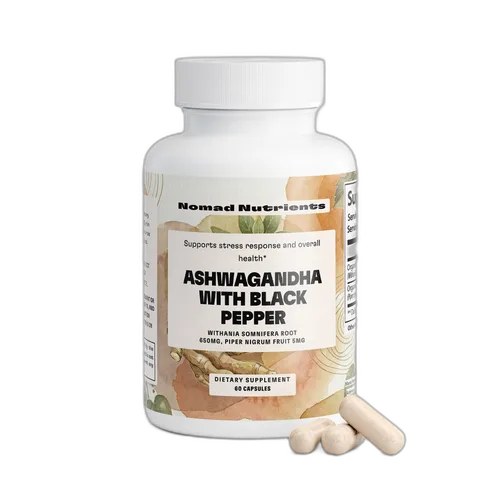
Ashwagandha with black pepper modulates the HPA axis at multiple points, progressively reducing the cortisol and sympathetic activation load over 60–90 days of consistent use. The piperine in black pepper enhances ashwagandha bioavailability significantly, making the combination more effective per dose than ashwagandha alone. In randomized trials, participants show meaningful reductions in perceived stress, anxiety scores, and — in studies that measured it — resting heart rate parameters, alongside the better-known cortisol reduction findings. This is the long-game intervention for autonomic tone, not an acute fix.
Jaw Tension You Don't Notice Until 5pm
Bruxism — jaw clenching or grinding — is one of the most common involuntary stress responses and one of the least discussed in the context of supplementation. It's driven by elevated tension in the masseter and temporalis muscles, which respond to sympathetic activation and magnesium deficiency. You don't consciously clench your jaw. You notice it hours later: the ache, the headache that starts behind the eyes, the shoulders that are somehow still at your ears at the end of the day.
GABA (gamma-aminobutyric acid) is the brain's primary inhibitory neurotransmitter — the signal that allows muscles and the nervous system to relax. When GABA tone is low and magnesium is depleted (which suppresses GABA-A receptor sensitivity), the nervous system stays in a state of residual activation that expresses as physical tension throughout the day.
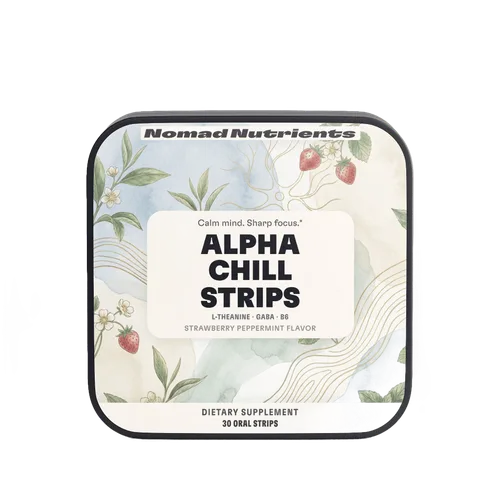
Alpha Chill strips deliver sublingual GABA directly — bypassing the digestive tract and the blood-brain barrier debate that surrounds oral GABA capsules. Sublingual absorption enters systemic circulation rapidly, with onset in minutes rather than the 30–60 minute delay of oral formats. The strips are designed for daytime use during high-tension periods or as an evening wind-down aid. For jaw tension specifically, the combination of GABA and the magnesium that supports GABA receptor sensitivity addresses both the signaling molecule and the receptor that receives it.
Don't shop alone. Build with Myco.
Tell Myco your goals. He'll pull the three compounds that fit your life and time-zone — locked-in founding pricing.
Serotonin Is Low But You're Not 'Depressed'
Serotonin deficiency doesn't always look like depression. In many people — particularly high-functioning professionals — it shows up as a quieter version: reduced capacity to feel satisfied or rewarded by things that should feel good, increased irritability under low-stakes pressure, a flattened emotional range where the highs aren't very high and the recovery from frustration is slow. The clinical threshold for depression isn't crossed; the quality of emotional life is still meaningfully reduced.
Serotonin synthesis requires tryptophan → 5-HTP → serotonin. Chronic stress accelerates tryptophan metabolism through the kynurenine pathway (redirecting it away from serotonin synthesis), while simultaneously depleting the cofactors — B6, magnesium, zinc — required for the conversion steps. The result is a serotonin system running below its functional range without a formal diagnosis to account for it.
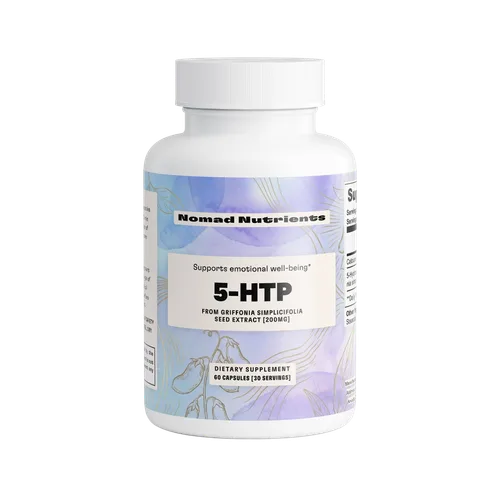
5-HTP (5-hydroxytryptophan) is the immediate precursor to serotonin — one step downstream of tryptophan and therefore one step closer to the target. It crosses the blood-brain barrier efficiently and converts to serotonin without the metabolic bottlenecks that affect tryptophan itself. Clinical research shows measurable improvements in mood, anxiety, and sleep quality at 100–300mg daily. Important note: 5-HTP should not be combined with SSRIs, SNRIs, or MAOIs without medical guidance due to serotonergic interaction risk. For those without these contraindications, it's one of the more directly targeted mood-support compounds available without a prescription.
Gut Issues That Spike With Deadlines
The gut is the most stress-reactive organ in the body after the brain. The enteric nervous system — the gut's own neural network — communicates bidirectionally with the central nervous system via the vagus nerve and the gut-brain axis. When stress activates the HPA axis, it directly alters gut motility, increases gut permeability, shifts the microbiome composition, and suppresses digestive enzyme secretion. You notice this as the GI symptoms that reliably worsen around high-stress work periods: urgency, bloating, discomfort, irregularity — symptoms that aren't present on low-pressure days.
This isn't psychosomatic in the dismissive sense. It's a real physiological response in a genuinely stress-reactive organ.
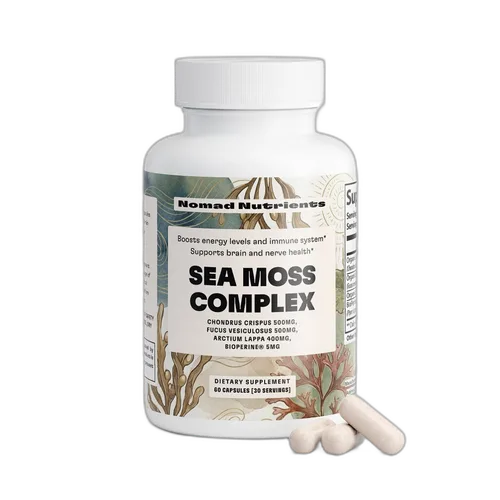
Sea moss mucilage — the gel-forming polysaccharides in sea moss — coats the intestinal lining and provides a soothing barrier effect that reduces the inflammation and permeability increases triggered by stress. The mineral content (particularly zinc) supports tight junction protein synthesis that maintains gut barrier integrity. And the prebiotic fiber content feeds the gut bacteria whose populations shift unfavorably under stress — partially restoring the microbiome environment that stress disrupts. This isn't a direct stress intervention; it's supporting the gut's resilience to the stress-driven changes it can't avoid.
Thoughts Race the Moment Your Head Hits the Pillow
The moment the environmental stimulus drops — screens off, lights out, phone down — the cognitive activity doesn't. Thoughts that were backgrounded by daytime busyness surface and accelerate: unfinished tasks, tomorrow's calendar, the conversation that didn't go well. Sleep onset takes 30–60 minutes not because you're not tired but because the nervous system hasn't transitioned out of the activation state that the day required.
The mechanism: melatonin onset is suppressed by both light exposure and cortisol elevation. When cortisol is still elevated in the evening (as it is under chronic stress), it delays and blunts the melatonin rise that would normally signal the nervous system to begin its downregulation sequence. The system is ready to sleep; the chemical signal to start hasn't arrived yet.
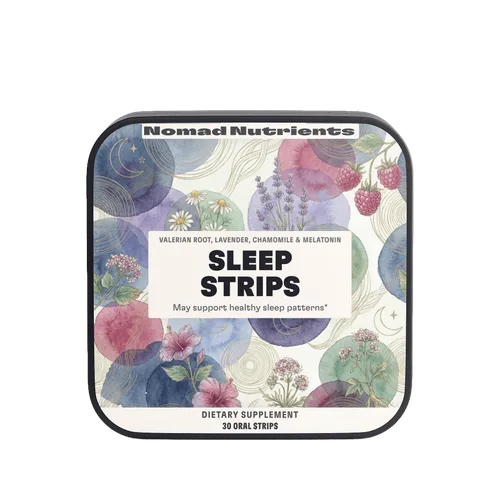
A well-designed sleep stack addresses both the melatonin timing problem and the nervous system activation problem simultaneously. Sublingual melatonin cycling — rather than daily high-dose supplementation — preserves receptor sensitivity while restoring the timing signal. GABA-supporting compounds reduce the activation state that delays sleep onset. Taken together 30–45 minutes before the intended sleep time, this combination works on the transition problem specifically: not sedation, but the neurochemical shift that allows the nervous system to hand off from day-mode to recovery-mode.
HPA-axis adaptogen + GABA and L-theanine + reishi triterpenes = Volume down
Turns the volume down on stress — in the moment, and over the weeks that follow.


These five responses run automatically. You don't choose them. But you can change the physiological conditions that drive them — and the compounds above address those conditions at the mechanism level rather than at the symptom level.
Start with the response that's loudest in your daily experience. Build from there.
Key Ingredients
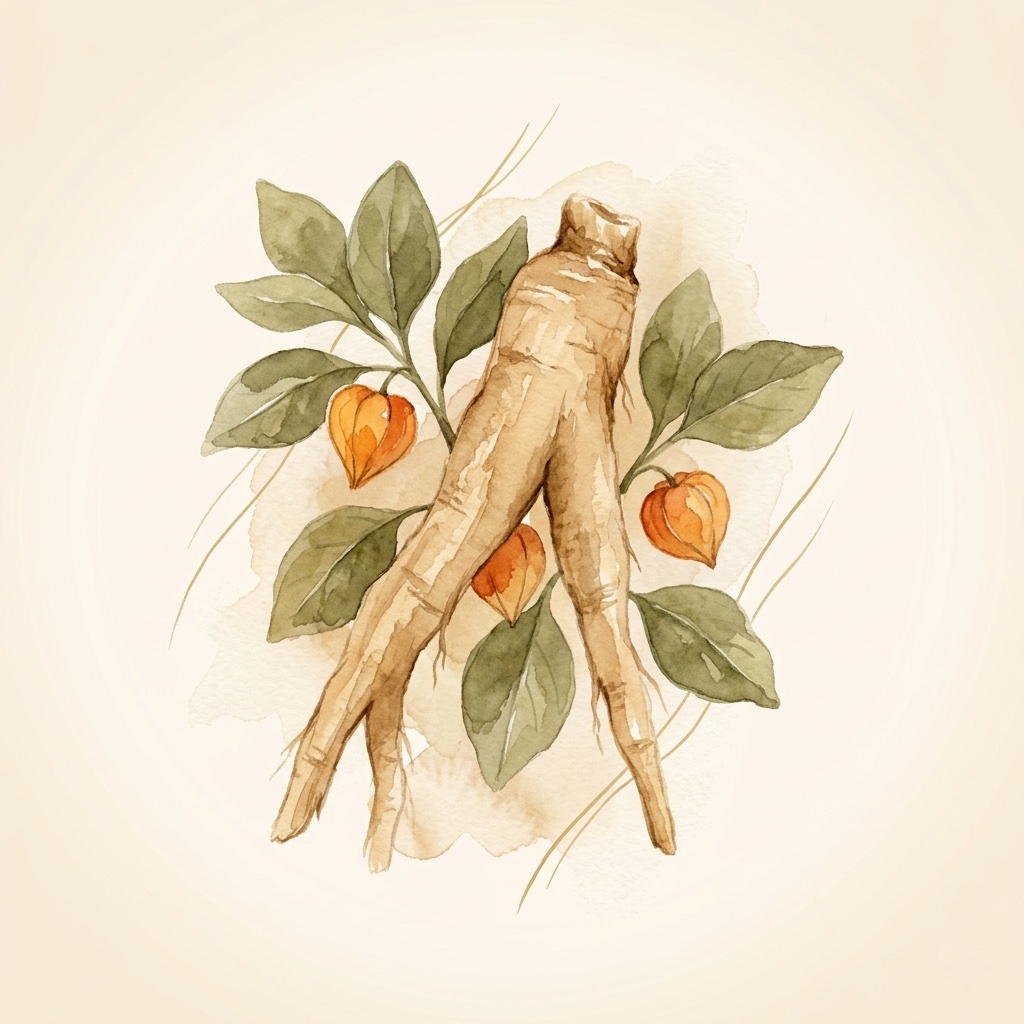
Ashwagandha
Withania somnifera
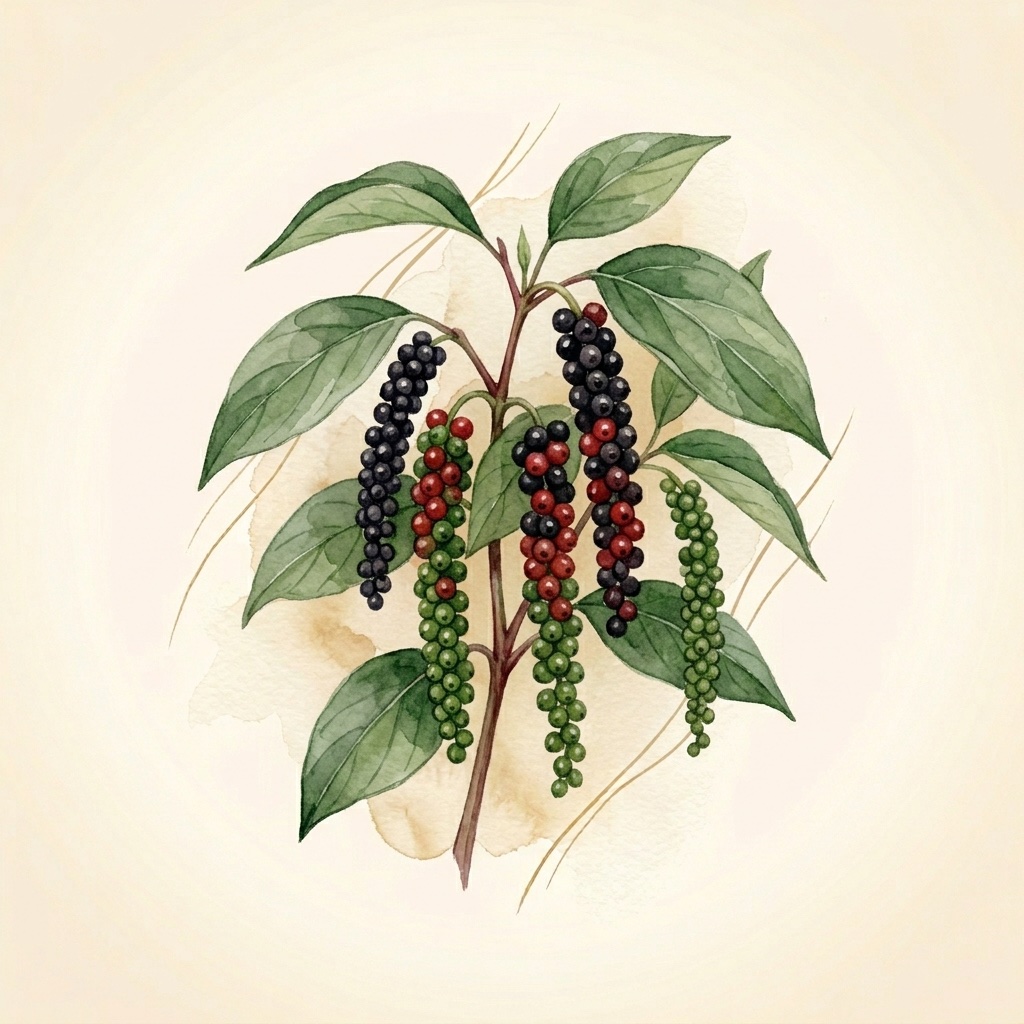
Black Pepper
Piper nigrum

L-Theanine
L-γ-glutamylethylamide

GABA
Gamma-Aminobutyric Acid

Vitamin B6
Pyridoxine Hydrochloride
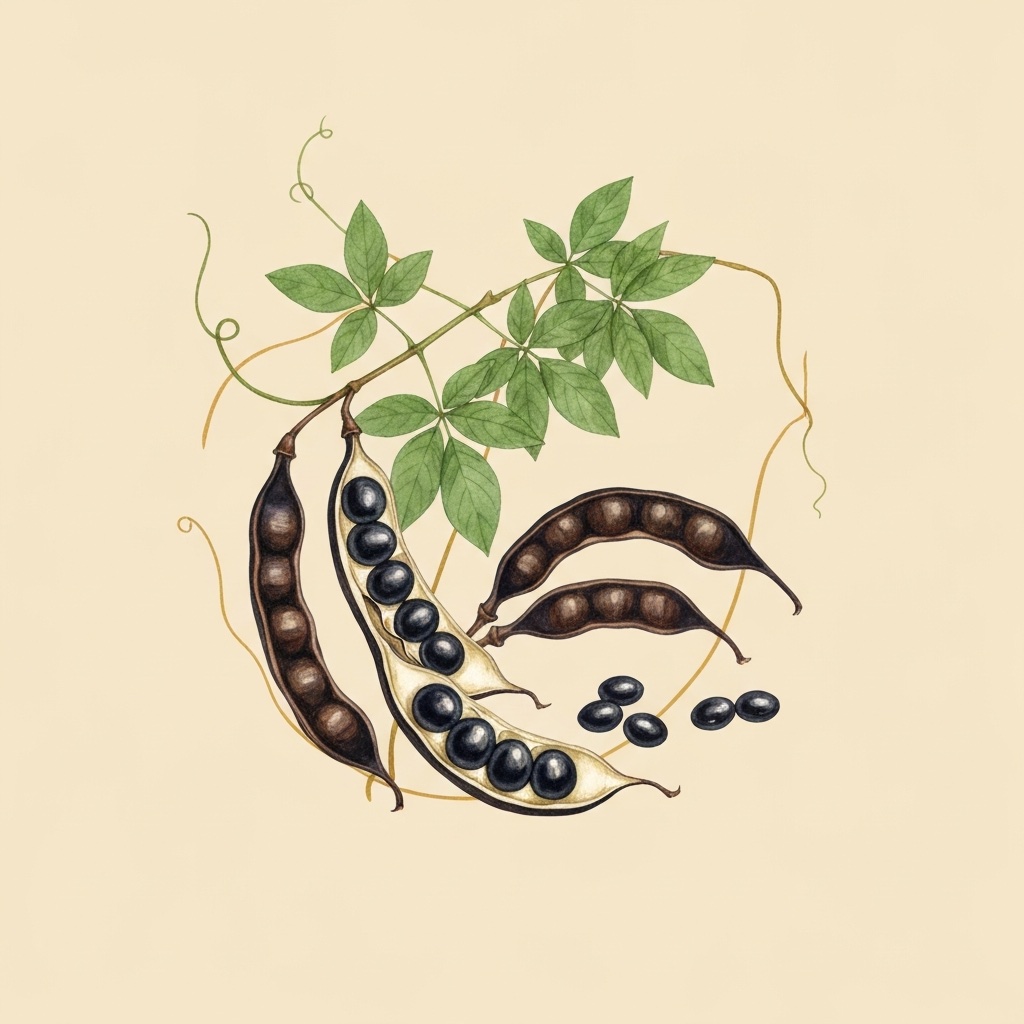
Griffonia simplicifolia
Griffonia simplicifolia

Irish Moss
Chondrus crispus
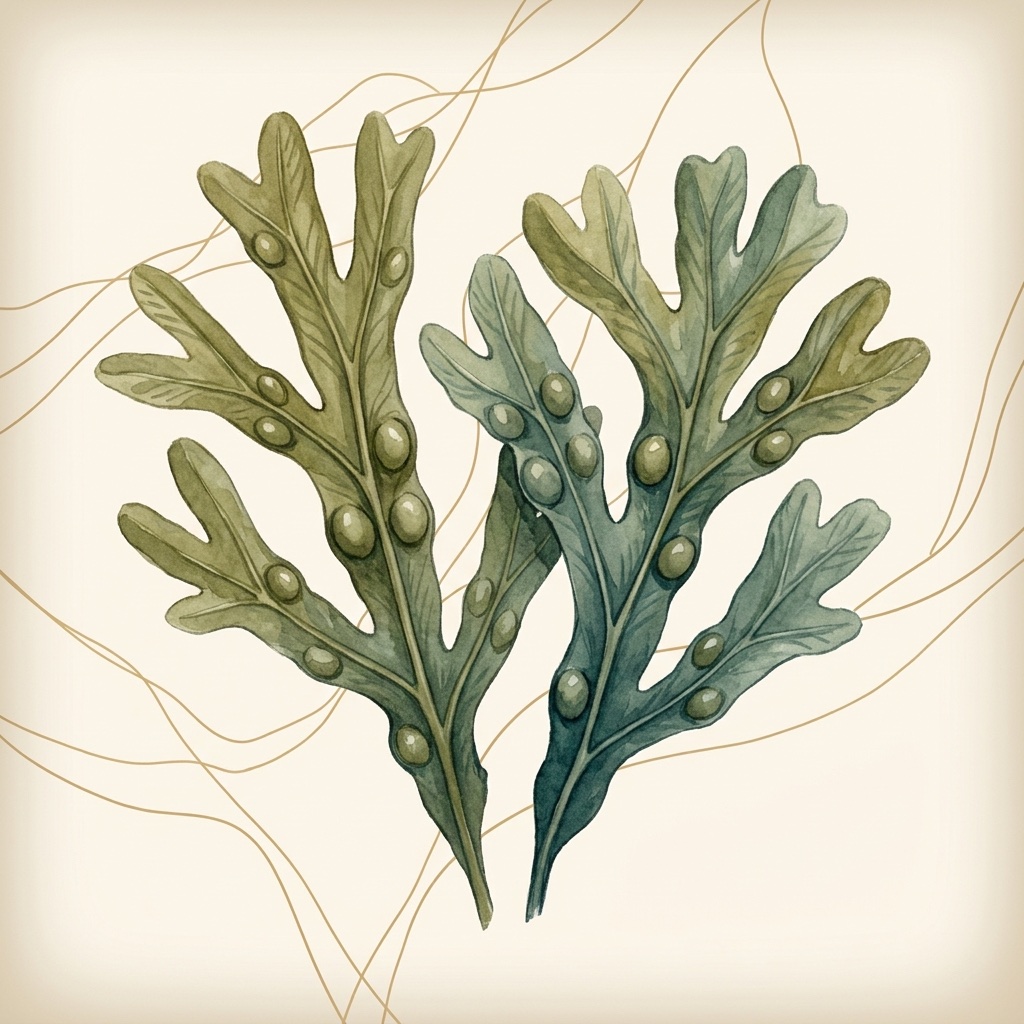
Bladderwrack
Fucus vesiculosus

Burdock Root
Arctium lappa
Three products. One protocol.
Pick 3. Save 25%. Free shipping every order. Myco cycles compounds monthly so your body never plateaus — and you never run out.
Code FIRST20 applied at checkout — extra $20 off your first stack
I built Nomad Nutrients because the supplement aisle is broken. Timing, dosing, and stack design matter more than the latest hero ingredient. We get the boring stuff right so you don't have to.
Build a stack from this article
$58.27$77.70
Comments
Leave a Comment
Keep reading.
5 Reasons You Crash at 2pm (And the Compound Fix for Each)
The afternoon energy crash isn't one problem — it's five distinct biological failure modes, each with a different root cause and a different compound fix. Here's how to find yours.
The Natural Anxiety Stack: 5 Compounds With Evidence (That Aren't SSRIs)
This is not medical advice and not a replacement for professional mental health care. It is a clear-eyed look at the natural compounds with clinical evidence for anxiety — how they work, what they don't do, who they're appropriate for, and one critical drug interaction that can be life-threatening. If you're experiencing severe or persistent anxiety, please work with a healthcare provider.
5 Supplements for Dads and Dads-to-Be
Nobody tells you that becoming a dad is a physiological event — not just an emotional one. Your sleep architecture collapses. Your cortisol stays elevated for months. Your immune system gets stress-tested by every daycare pathogen your kid brings home. And if you're not a dad yet but trying to be, your sperm quality is shaped by the same compounds that will keep you functional after the baby arrives. Five supplements that serve both sides of the transition.
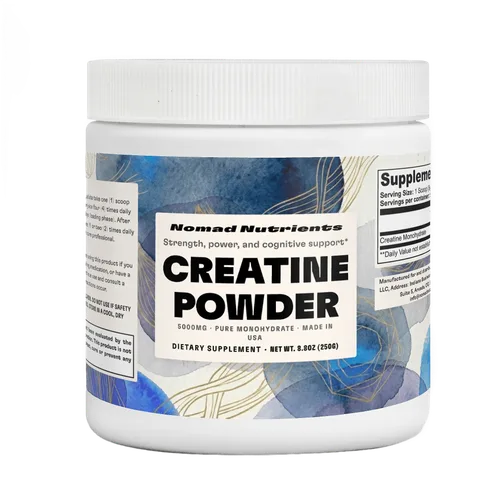
6 Reasons Your Sleep Isn't Actually Restoring You
Duration is not the same as quality. Six specific mechanisms determine whether the hours you sleep actually restore you — and each one can be addressed independently.
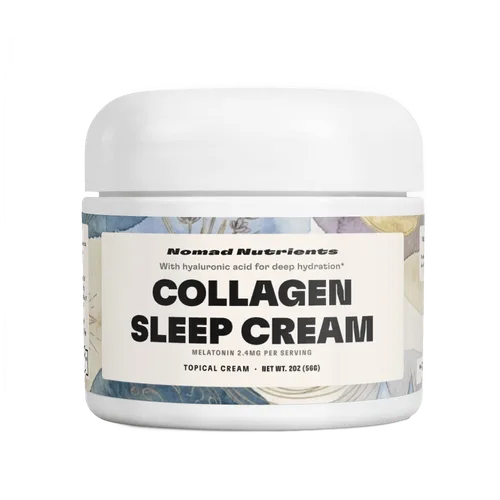
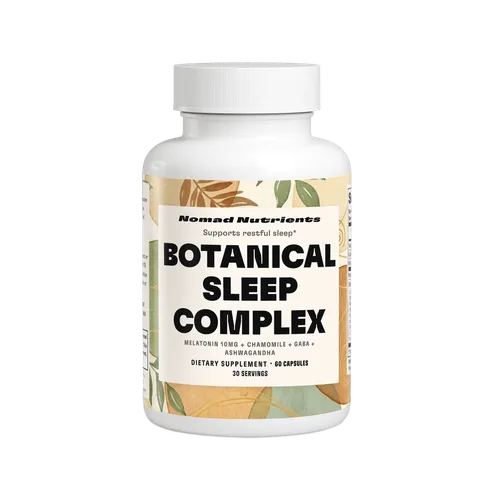
5 Signs Your Brain Is Running on Fumes — And What to Do About Each One
Afternoon fog, expensive context-switching, decisions that drain you — these aren't productivity problems. They're physiological signals. Here's what each one means and what to do about it.
Why Your Collagen Routine Still Isn't Working
Collagen rebuilds skin's protein matrix. It doesn't touch hair or nails, and it doesn't work without the minerals that hold it together. Here's the 3-layer system that actually covers all three.
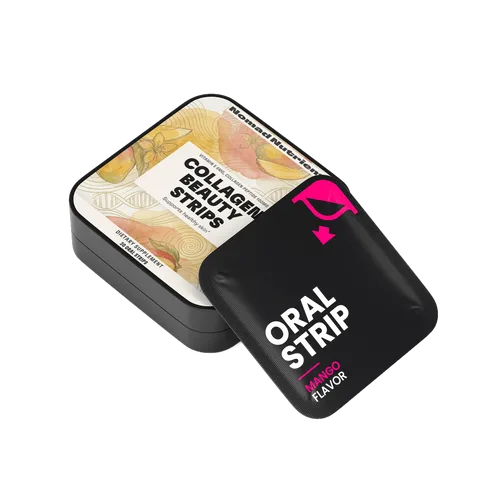
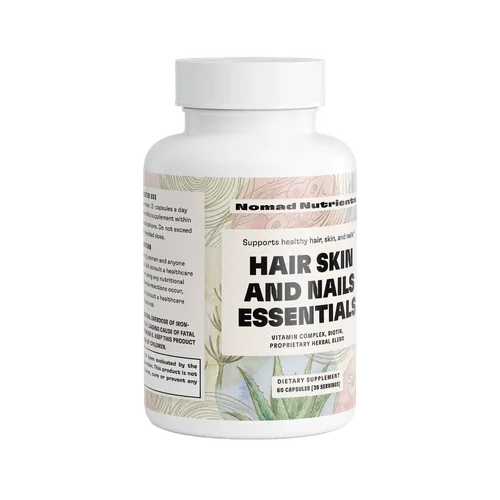
Shop the products.
Four products. Earned their place in every stack.
These float to the top of nearly every Smart Stack — broad pathway coverage, strong evidence, real doses. Curated by Myco, rotated when something better comes along.
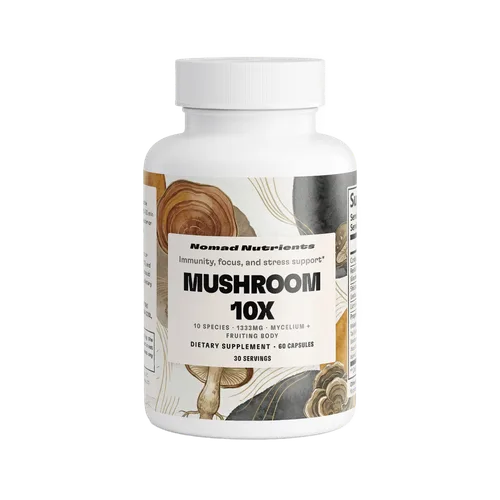
Mushroom 10X
Ten species in one capsule — the whole-spectrum support for immunity, focus, and energy.
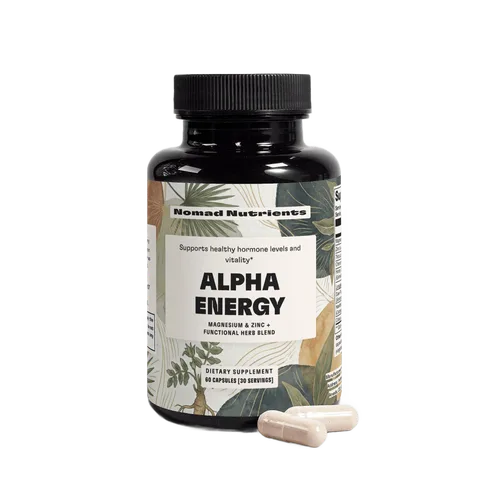
Alpha Energy
Testosterone. Energy. Drive. — Zinc, magnesium, and Tongkat Ali for natural vitality and peak performance.
Creatine Powder
The most-studied compound on earth. 5g pure — for stronger muscle and sharper thinking.
Ashwagandha
Cortisol control, calm focus, and deep recovery — the adaptogen that earns its place in every stack.
Founder’s Story
"Hi, I'm Tanner. I built Nomad for optimizers who want a real system — not just a subscription. You choose the direction, we handle the navigation. Pick your path and we'll keep you dialed in."
— Tanner
Chief Mushroom Officer