5 Ancient Superfoods That Modern Science Actually Validates
Bee bread, shilajit, moringa, sea moss — these aren't wellness trends. They're ancient nutritional technologies with modern clinical data behind them. Here's what they replace and why they work better.

The supplement industry is built on synthetic isolates — individual vitamins and minerals manufactured in a lab and pressed into tablets. This approach assumes that nutrients work in isolation. They don't. In nature, nutrients occur in matrices — complex combinations of cofactors, enzymes, and co-occurring compounds that affect absorption, bioavailability, and biological activity in ways that isolates can't replicate.
Five foods used for centuries across different cultures have recently been validated by modern analytical chemistry and clinical research. They're not superfoods because of marketing — they're superfoods because their nutrient density, bioavailability, and compound complexity exceed what synthetic formulations can achieve. Here's what each one replaces and why the replacement matters.
Your Multivitamin Is a Collection of Synthetic Isolates
The standard multivitamin contains 20–30 synthetic nutrients manufactured individually and combined in a tablet. Synthetic folic acid is not the same compound as food-form folate. Synthetic vitamin E (dl-alpha-tocopherol) is a racemic mixture that includes mirror-image molecules your body can't use efficiently. Cyanocobalamin (synthetic B12) requires hepatic conversion to methylcobalamin before it's biologically active — a conversion that's impaired in a significant percentage of the population.
The deeper problem isn't just the form of each nutrient — it's the absence of the cofactors, enzymes, and co-occurring compounds that determine how efficiently your body absorbs and uses them. Nutrients in food come with their own delivery system. Nutrients in a multivitamin come alone.
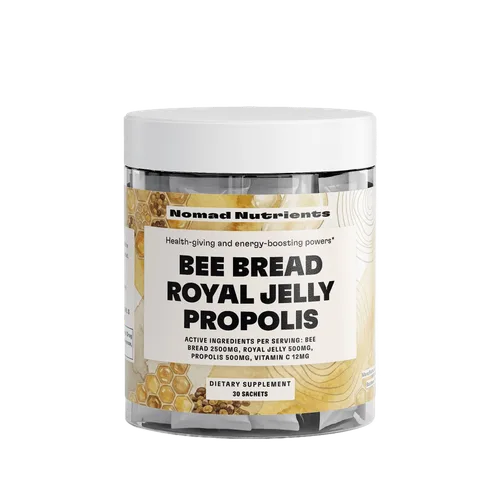
Bee bread — fermented bee pollen — is one of the most nutrient-dense whole foods ever analyzed. It contains B-vitamins, amino acids, enzymes, flavonoids, and phenolic acids in a naturally fermented matrix that dramatically increases bioavailability compared to raw pollen or synthetic equivalents. Royal jelly adds 10-HDA (10-hydroxy-2-decenoic acid) — a fatty acid unique to royal jelly with documented anti-inflammatory and neuroprotective properties. Propolis contributes over 300 bioactive compounds including CAPE (caffeic acid phenethyl ester) with potent antioxidant and immune-modulating activity. Together, these three bee-derived compounds provide a nutrient complexity that no synthetic multivitamin can replicate — because the complexity is the point.
Your Mineral Supplement Has a Bioavailability Problem
Most mineral supplements use oxide or carbonate forms — magnesium oxide, calcium carbonate, zinc oxide — because they're cheap to manufacture and contain a high percentage of elemental mineral by weight. The problem: bioavailability. Magnesium oxide absorption rates are estimated at 4–5%. Calcium carbonate requires stomach acid for absorption, which declines with age and is suppressed by common medications. These forms look impressive on the label and deliver a fraction of what they promise to your cells.
Even chelated forms (glycinate, citrate, bisglycinate) — which are meaningfully better — deliver minerals one at a time, missing the synergistic absorption effects that occur when minerals are consumed in their natural matrix with co-occurring cofactors.
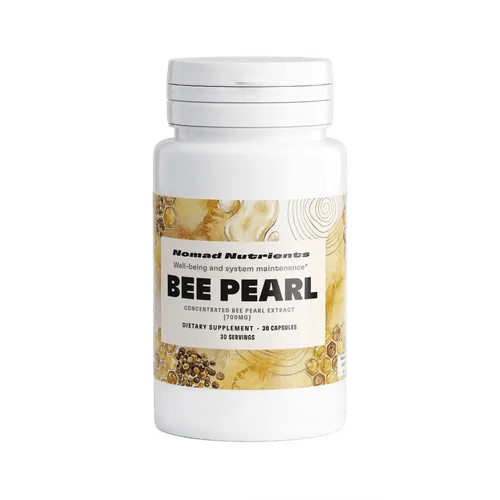
Bee pearl — a concentrated bee pollen extract — delivers minerals, amino acids, and antioxidants in a bioavailable matrix that mirrors how these nutrients occur in nature. The enzymatic processing that bees perform on pollen (and that fermentation further enhances) pre-digests the nutrient matrix, breaking down the cellulose walls that make raw pollen poorly absorbed by humans. The result is a mineral and micronutrient profile with absorption characteristics that synthetic mineral supplements can't match — not because the minerals themselves are different, but because the delivery matrix preserves the cofactors and enzymatic context that determine how efficiently your body takes them up.
Don't shop alone. Build with Myco.
Tell Myco your goals. He'll pull the three compounds that fit your life and time-zone — locked-in founding pricing.
Modern Soil Depletion Has Created a Fulvic Acid Deficit
Fulvic acid is a humic substance produced by microbial decomposition of organic matter in soil. It's one of nature's most effective mineral transport molecules — binding to minerals and trace elements and carrying them across cell membranes in a form that's immediately bioavailable. Historically, humans consumed fulvic acid through water from mineral-rich streams and through produce grown in humus-rich soil.
Industrial agriculture has depleted the microbial life in topsoil that produces fulvic acid. Water treatment removes it. The modern diet is effectively fulvic-acid-free — which means a mineral transport mechanism that humans evolved alongside is no longer part of the nutritional baseline. This doesn't just reduce mineral intake; it reduces the efficiency with which whatever minerals you do consume are transported into cells.
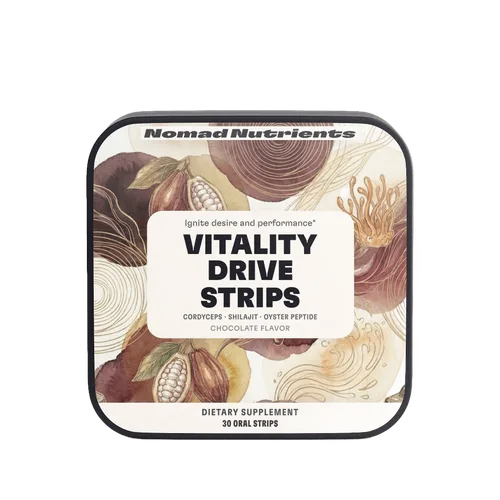
Shilajit is compressed humus — the product of centuries of plant decomposition in high-altitude rock formations, primarily in the Himalayas. It contains fulvic acid at concentrations that no other natural source matches, along with 84+ trace minerals in ionic form, dibenzo-alpha-pyrones (DBPs) that support mitochondrial CoQ10 function, and humic acids that support gut health. The fulvic acid in shilajit acts as a mineral chelator — binding to minerals from food and other supplements and enhancing their cellular uptake. This means shilajit doesn't just deliver its own minerals; it improves the absorption of everything else you take alongside it. Ayurvedic medicine has used it for over 3,000 years. The modern research on fulvic acid bioavailability explains why it works.
No Single Plant Source Matches Moringa's Nutrient Density
Nutrient density — the concentration of vitamins, minerals, and bioactive compounds per calorie — varies enormously across plant foods. Most "superfoods" are nutrient-dense in one or two categories: blueberries for anthocyanins, spinach for iron and folate, kale for vitamin K. Finding a single plant source that covers a broad spectrum of nutritional needs simultaneously is genuinely rare.
For people whose diets are convenient but not diverse — remote workers, frequent travelers, anyone eating the same rotation of meals — the gap isn't usually one specific nutrient. It's a diffuse deficit across multiple categories that a single-nutrient supplement doesn't address and that dietary advice to "eat more variety" doesn't practically solve.
Moringa oleifera has been called "the miracle tree" across cultures for a reason that modern nutritional analysis now quantifies: gram for gram, moringa leaf contains 7x the vitamin C of oranges, 4x the calcium of milk, 4x the vitamin A of carrots, 3x the potassium of bananas, and 2x the protein of yogurt. It delivers all essential amino acids — making it one of the rare complete plant protein sources — along with iron, B-vitamins, and a broad antioxidant profile including quercetin and chlorogenic acid. A single daily serving of moringa covers more nutritional ground than most people's entire supplement cabinet, because the plant itself is doing what supplement companies try to replicate by combining 20 separate ingredients in a tablet.
92 Trace Minerals Your Filtered Water No Longer Provides
The human body uses at least 72 trace minerals as enzyme cofactors, structural components, and signaling molecules. Modern diets — even well-designed ones — typically provide 15–20 of these through food, and most mineral supplements contain 8–12. The remaining trace minerals were historically obtained through water from natural sources: streams, springs, and wells that had passed through mineral-rich geological formations.
Reverse osmosis, carbon filtration, and municipal water treatment effectively strip these trace minerals. Bottled water varies wildly and is rarely mineral-rich. The result is a quiet, diffuse trace mineral deficit that doesn't produce dramatic deficiency symptoms but that accumulates as suboptimal function across dozens of enzymatic processes simultaneously.
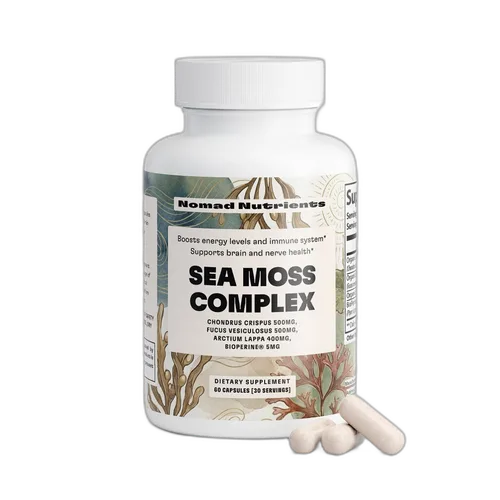
Wildcrafted sea moss (Chondrus crispus) — harvested from Atlantic ocean waters — contains 92 of the 102 minerals found in the human body, in ionic form with high bioavailability. The mineral profile includes iodine (critical for thyroid function and commonly deficient), selenium (essential for glutathione peroxidase), zinc (immune function and gut barrier integrity), and dozens of ultra-trace minerals that aren't included in any synthetic supplement because they're needed in quantities too small to standardize but too important to ignore. The oceanic source matters: sea moss absorbs minerals from seawater in the same ionic form that the human body uses, eliminating the conversion steps that reduce bioavailability of rock-derived mineral supplements.
These five foods aren't ancient because they're outdated — they're ancient because they work, and the cultures that used them figured that out through millennia of empirical observation. Modern analytical chemistry has now characterized why they work: nutrient density, bioavailability, compound complexity, and cofactor matrices that synthetic supplements can't replicate.
Start with the gap that's most relevant to your current protocol. For most people, that's the mineral and cofactor deficit that no multivitamin adequately addresses.
Key Ingredients
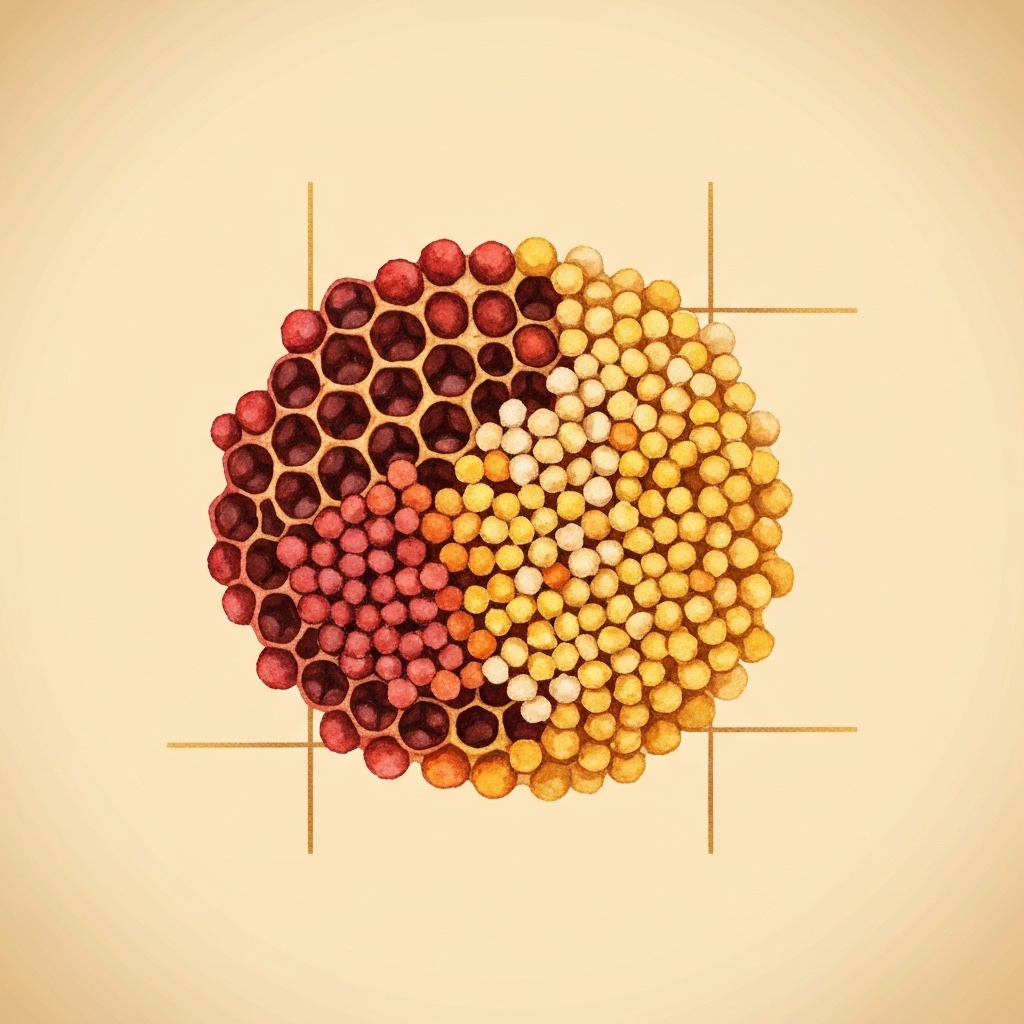
Bee Bread
Fermented Bee Pollen
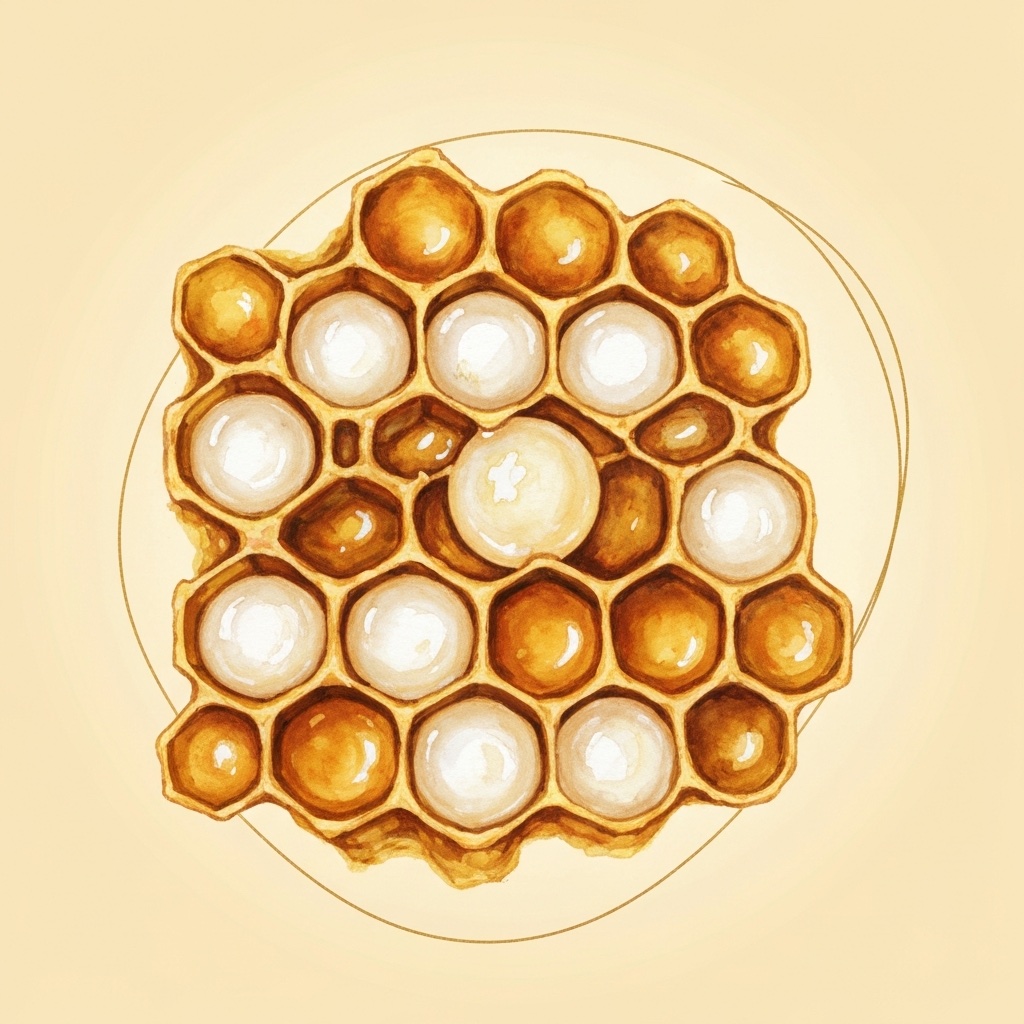
Royal Jelly
Apis mellifera secretion
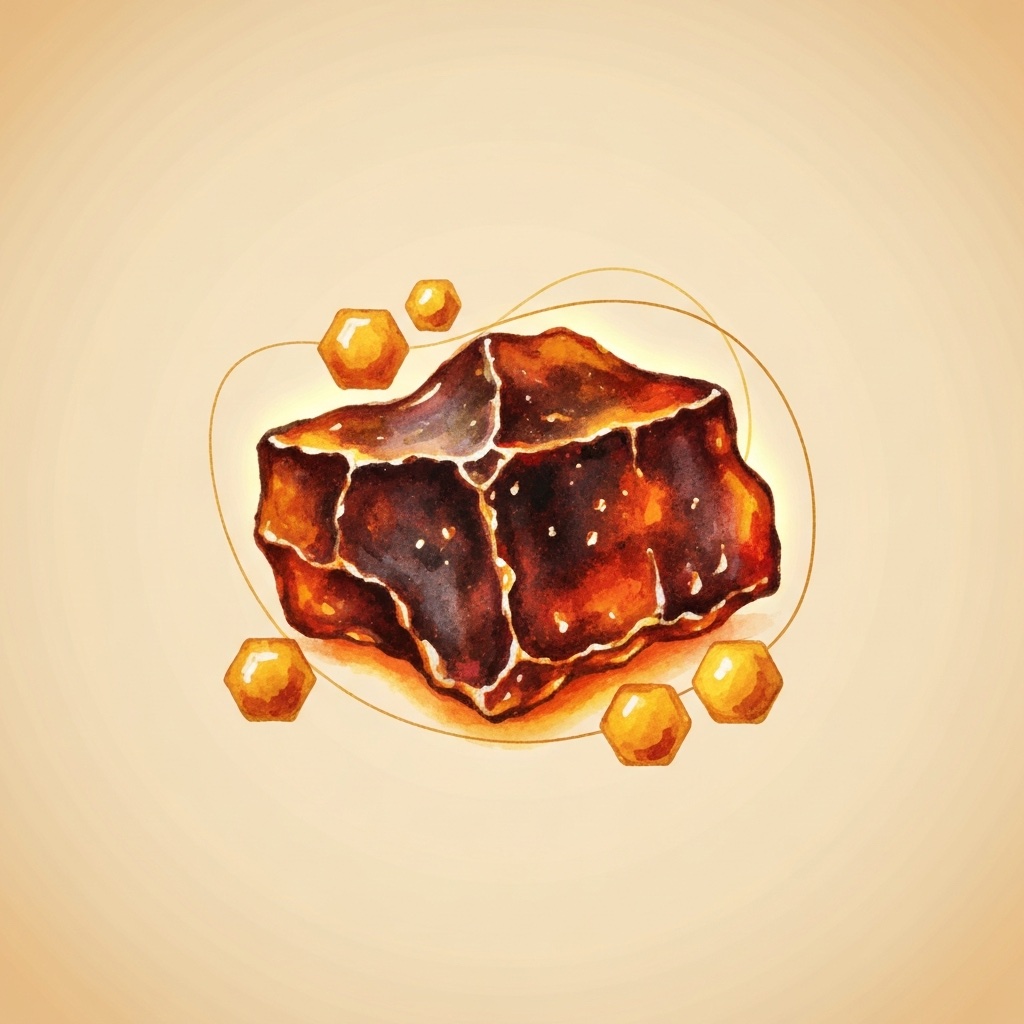
Propolis
Bee Propolis

Vitamin C
Ascorbic Acid
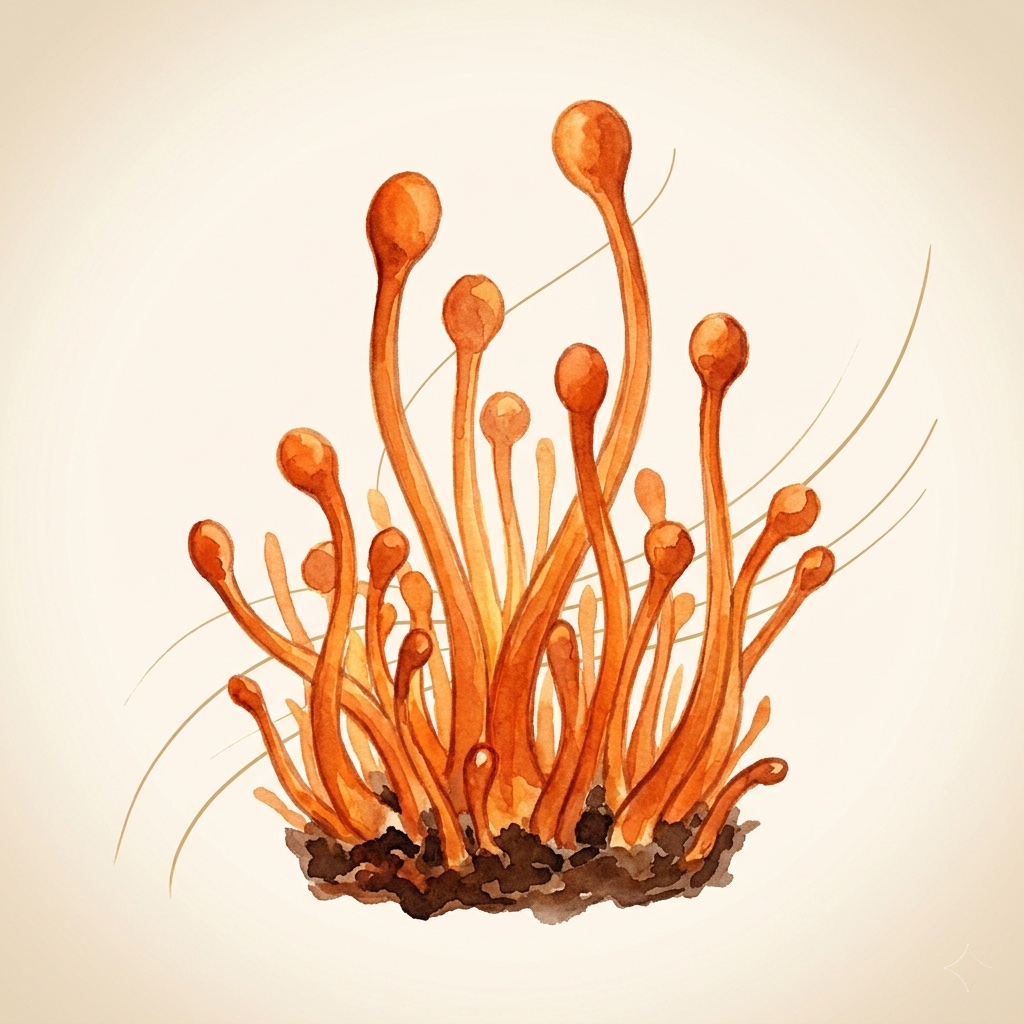
Cordyceps Mushroom
Cordyceps militaris
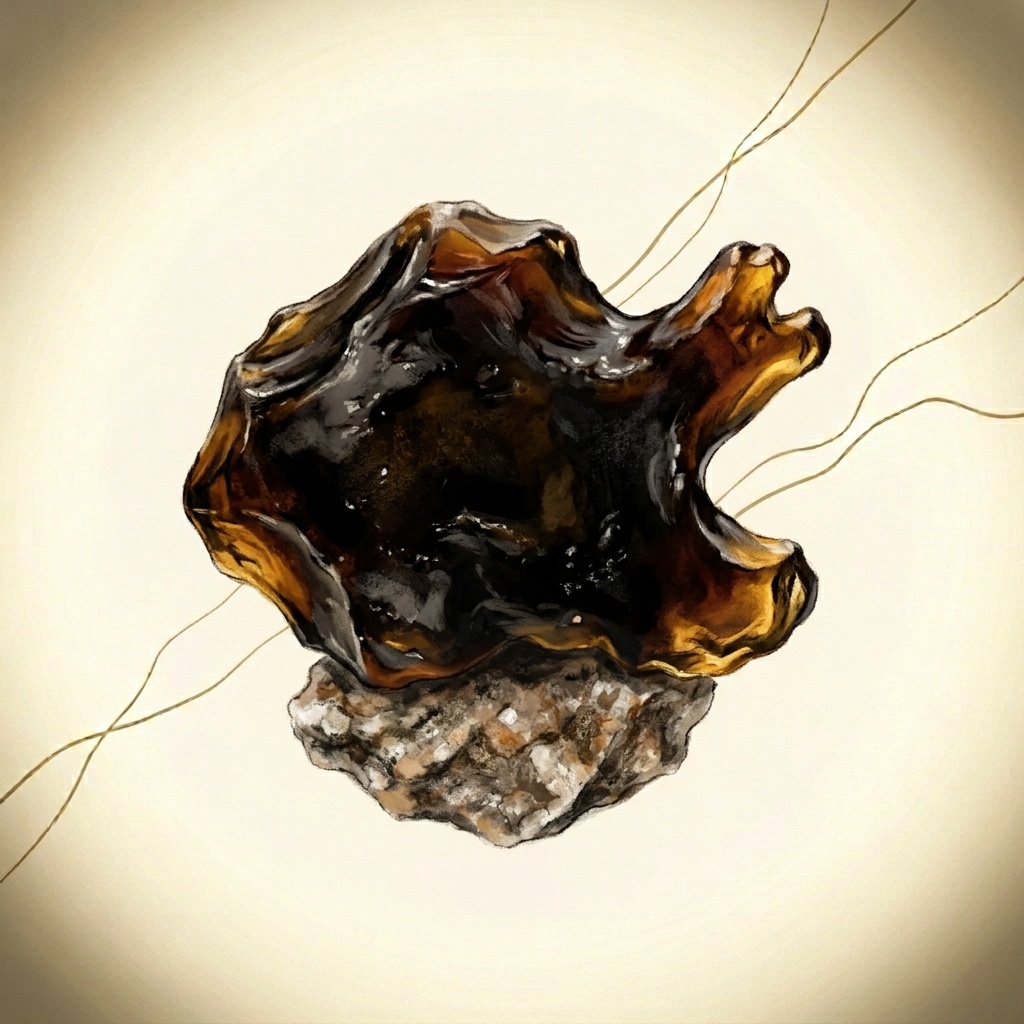
Shilajit
Asphaltum punjabianum
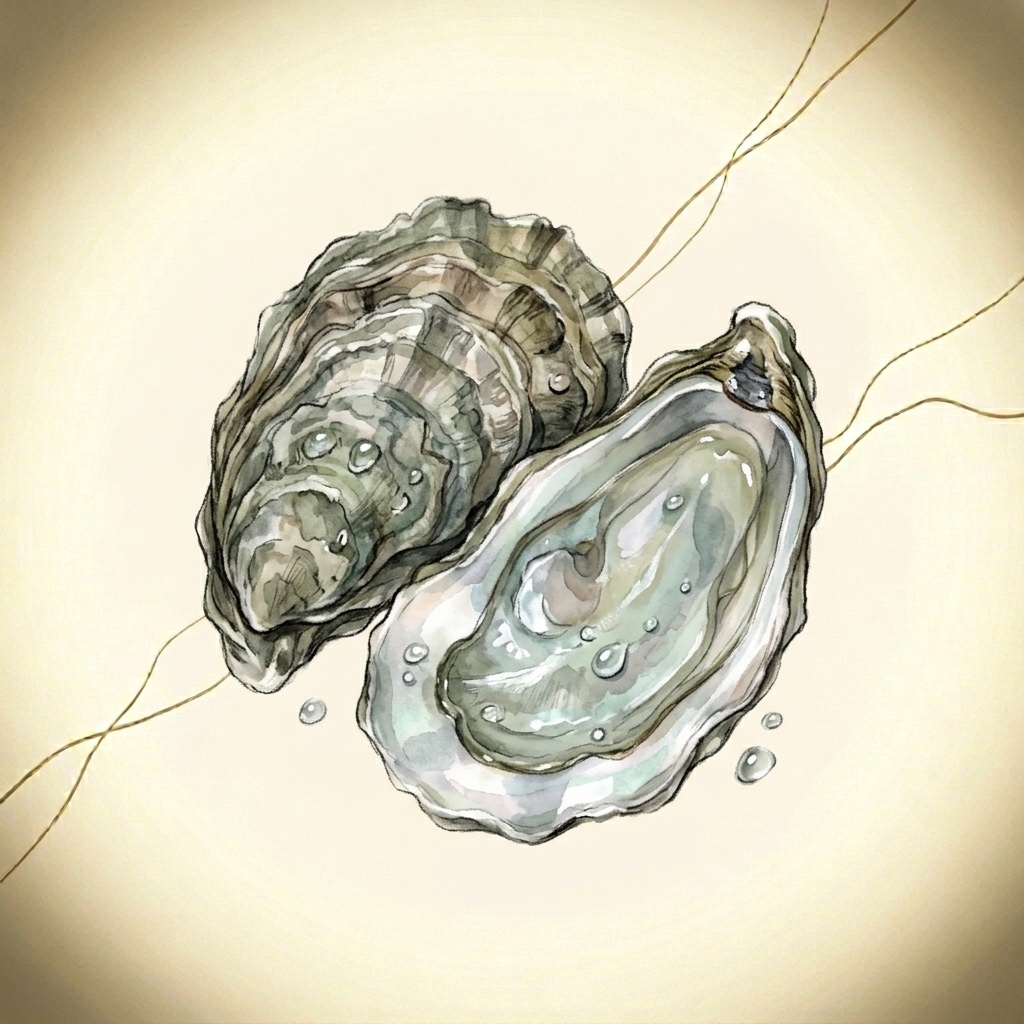
Oyster Peptide
Crassostrea gigas
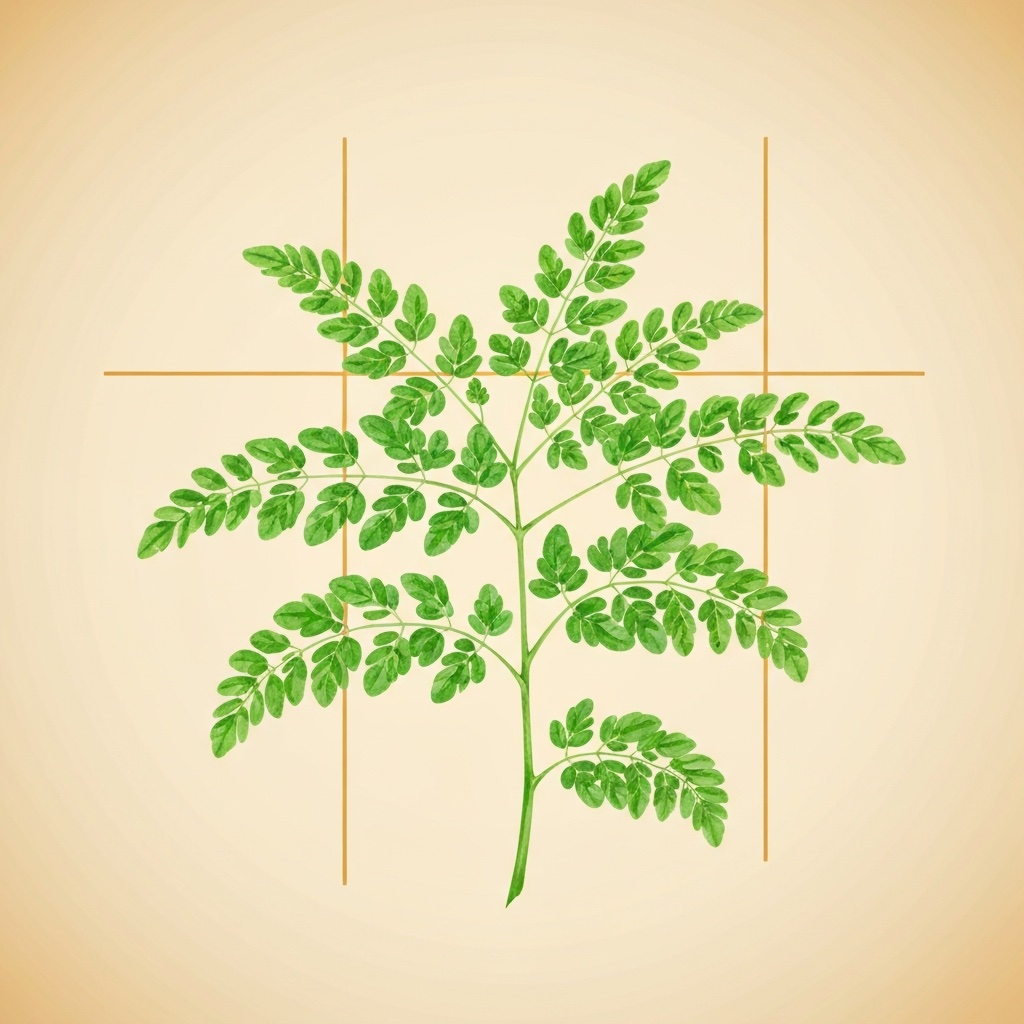
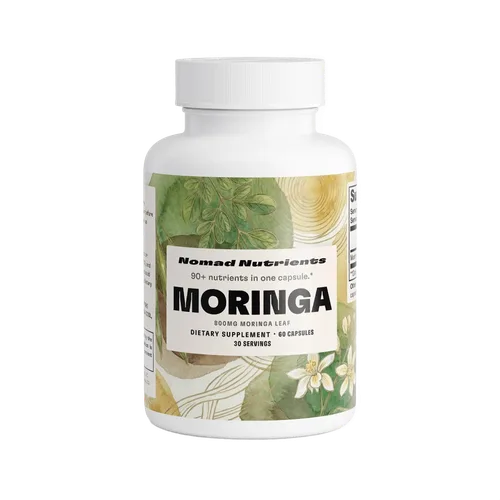
Moringa
Moringa oleifera
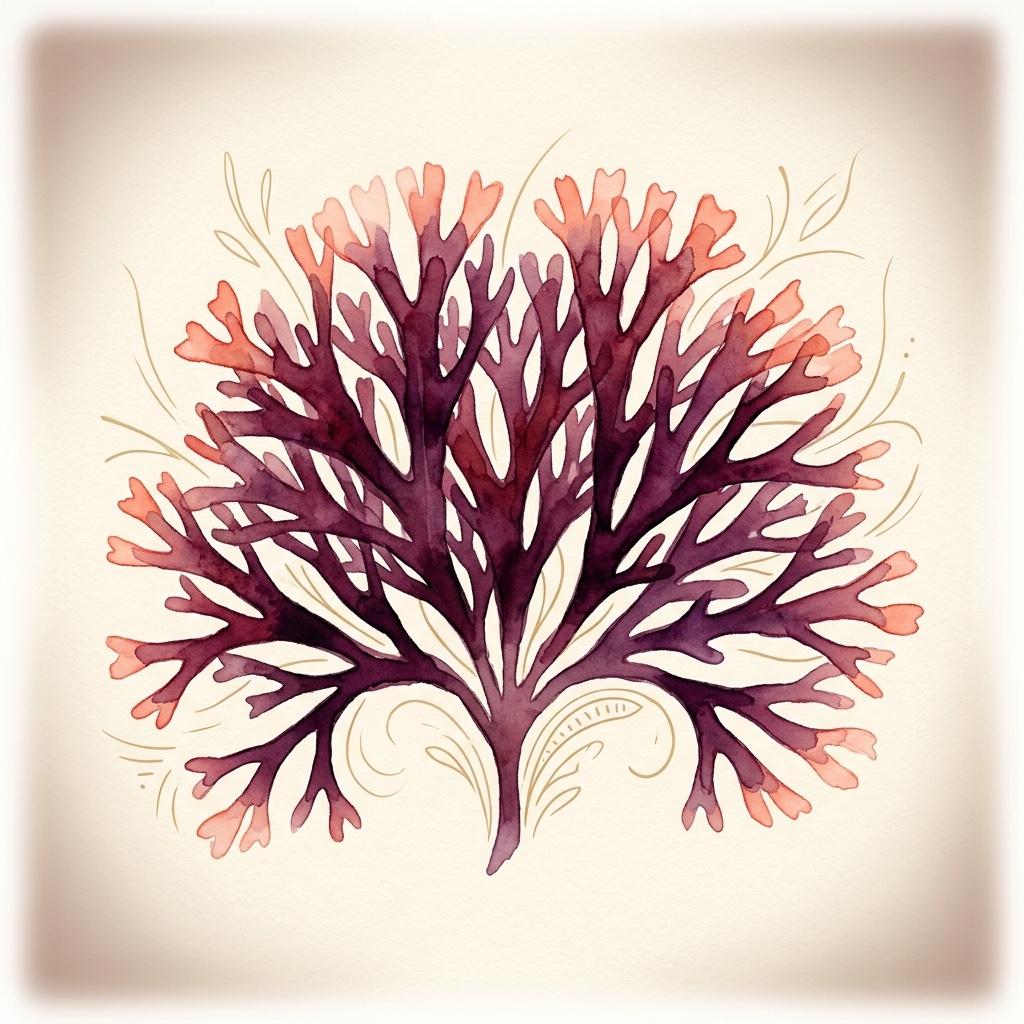
Irish Moss
Chondrus crispus
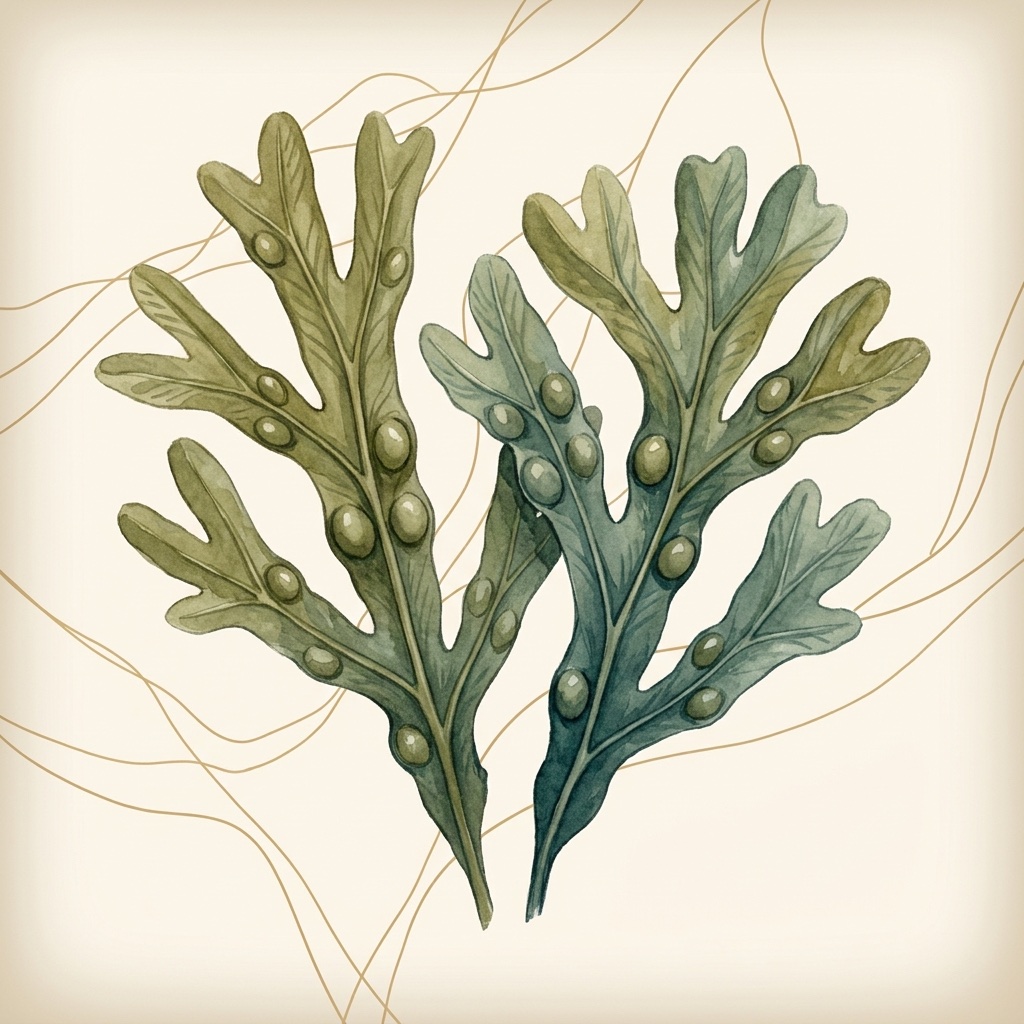
Bladderwrack
Fucus vesiculosus

Burdock Root
Arctium lappa
Three products. One protocol.
Pick 3. Save 25%. Free shipping every order. Myco cycles compounds monthly so your body never plateaus — and you never run out.
Code FIRST20 applied at checkout — extra $20 off your first stack
I built Nomad Nutrients because the supplement aisle is broken. Timing, dosing, and stack design matter more than the latest hero ingredient. We get the boring stuff right so you don't have to.
Build a stack from this article
$71.77$95.70
Comments
Leave a Comment
Want the mechanism behind this?
Sea Moss: 92 Minerals, Mucilage, and the Marine Superfood in Three Preset Stacks
The "92 minerals" claim is everywhere, but the real story of sea moss is more interesting than a mineral count. It's about agricultural depletion, the ionic form advantage, a striking similarity between seawater and human plasma, and a mucilaginous polysaccharide matrix that does something no mineral supplement can.
Royal Jelly, Propolis, and Bee Bread: Three Hive Compounds, Three Distinct Mechanisms
The hive produces three bioactive substances — royal jelly, propolis, and bee bread — that are often marketed together but operate through entirely different biochemical mechanisms. Understanding 10-HDA, CAPE, and fermented pollen separately is the key to understanding why the combination is more than the sum of its parts.
Keep reading.
The 7 Nutritional Gaps Remote Workers Don't Know They Have
Sedentary. Indoors. Screen-heavy. The remote work lifestyle creates specific nutritional gaps that a good diet alone doesn't close. Here's what's going missing and how to address it.
Sea Moss: 92 Minerals, Mucilage, and the Marine Superfood in Three Preset Stacks
The "92 minerals" claim is everywhere, but the real story of sea moss is more interesting than a mineral count. It's about agricultural depletion, the ionic form advantage, a striking similarity between seawater and human plasma, and a mucilaginous polysaccharide matrix that does something no mineral supplement can.
Royal Jelly, Propolis, and Bee Bread: Three Hive Compounds, Three Distinct Mechanisms
The hive produces three bioactive substances — royal jelly, propolis, and bee bread — that are often marketed together but operate through entirely different biochemical mechanisms. Understanding 10-HDA, CAPE, and fermented pollen separately is the key to understanding why the combination is more than the sum of its parts.
Why Your Collagen Routine Still Isn't Working
Collagen rebuilds skin's protein matrix. It doesn't touch hair or nails, and it doesn't work without the minerals that hold it together. Here's the 3-layer system that actually covers all three.
5 Reasons You Crash at 2pm (And the Compound Fix for Each)
The afternoon energy crash isn't one problem — it's five distinct biological failure modes, each with a different root cause and a different compound fix. Here's how to find yours.
Natural Testosterone Support: What the Research Shows (And What It Doesn't)
No supplement will double your testosterone. Any product claiming 300% increases is misrepresenting rodent data or fabricating results. What natural compounds can do is meaningful but modest — free testosterone increases in the range of 10–25% over 8–12 weeks. For a man with low-normal levels, that's the difference between sluggish and functional. Here's what the clinical evidence actually supports, with honest effect sizes and clear boundaries.
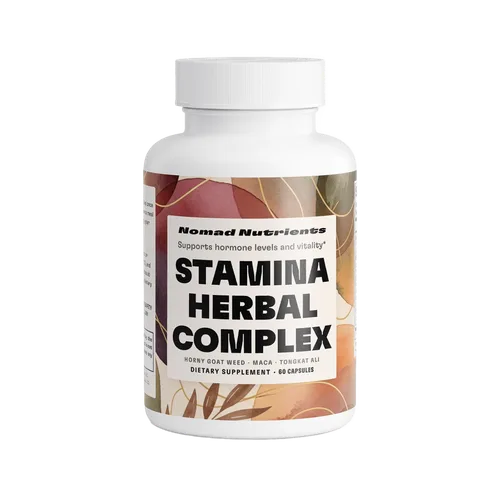
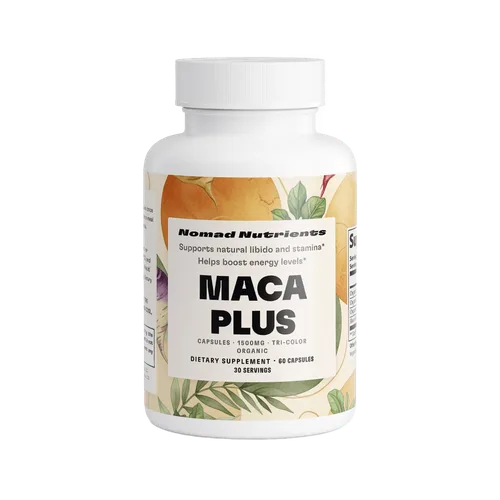
Shop the products.
Four products. Earned their place in every stack.
These float to the top of nearly every Smart Stack — broad pathway coverage, strong evidence, real doses. Curated by Myco, rotated when something better comes along.
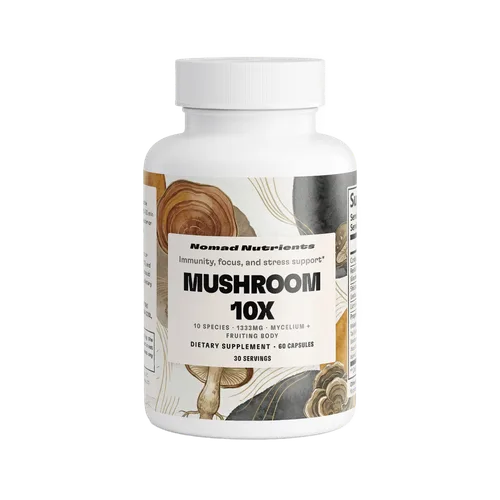
Mushroom 10X
Ten species in one capsule — the whole-spectrum support for immunity, focus, and energy.
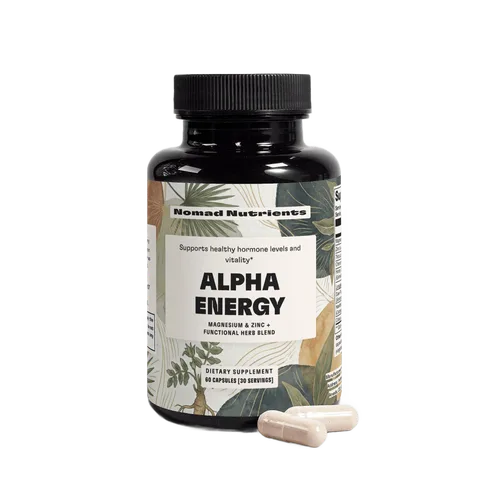
Alpha Energy
Testosterone. Energy. Drive. — Zinc, magnesium, and Tongkat Ali for natural vitality and peak performance.
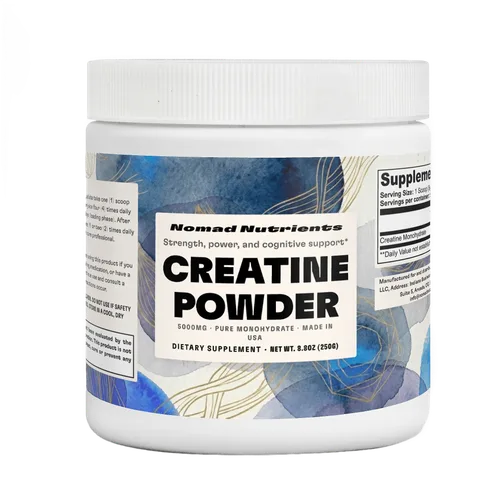
Creatine Powder
The most-studied compound on earth. 5g pure — for stronger muscle and sharper thinking.
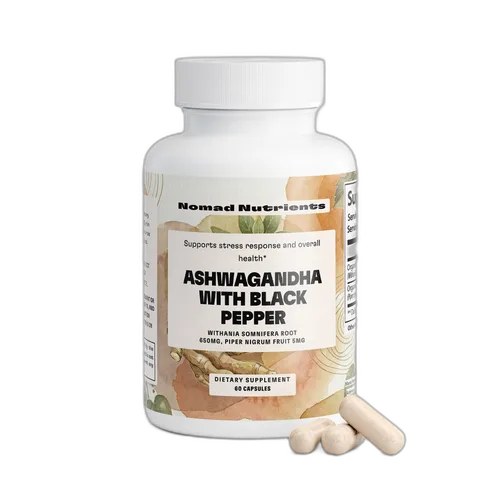
Ashwagandha
Cortisol control, calm focus, and deep recovery — the adaptogen that earns its place in every stack.
Founder’s Story
"Hi, I'm Tanner. I built Nomad for optimizers who want a real system — not just a subscription. You choose the direction, we handle the navigation. Pick your path and we'll keep you dialed in."
— Tanner
Chief Mushroom Officer