6 Reasons You're Tired That Have Nothing to Do With Sleep
You're sleeping enough. You're still exhausted. Fatigue that doesn't respond to rest is almost always upstream of sleep — here are six physiological reasons and the compounds that address each one.

Sleep more is the default advice for fatigue. It's not wrong — it's just incomplete. When rest doesn't restore, when caffeine has diminishing returns, when you feel tired at a level that doesn't match your hours slept, the problem is almost always upstream of sleep itself.
Fatigue is a downstream symptom. The six causes below are the upstream mechanisms most commonly responsible for it — and none of them are fixed by going to bed earlier.
Your Mitochondria Are Underperforming
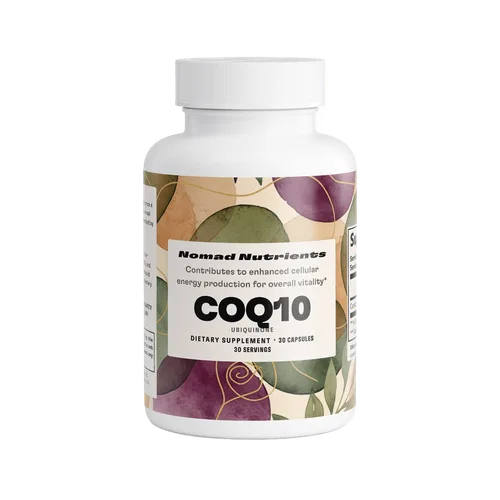
Every cell in your body runs on ATP — adenosine triphosphate — generated by the mitochondria through the electron transport chain. This chain relies on a critical electron carrier called Coenzyme Q10 (CoQ10) to shuttle electrons between protein complexes and maintain the ATP-generating process. After age 30, CoQ10 levels decline naturally — and with them, the efficiency of the machinery that generates your cellular energy. Statins — among the most commonly prescribed medications — further suppress CoQ10 synthesis as a side effect.
Mitochondrial inefficiency doesn't announce itself dramatically. It shows up as a persistent energy ceiling — you feel functional but not quite capable of the output you know you should have. Everything is a little more effortful than it should be.
CoQ10 ubiquinone supplementation replenishes the electron carrier that declines with age, restoring the efficiency of mitochondrial ATP production at its source. The ubiquinol form (reduced CoQ10) is more readily utilized but more expensive; ubiquinone is converted to ubiquinol inside cells and is effective at standard doses. Fat-soluble — take with a meal containing dietary fat for optimal absorption. For anyone over 35, anyone on a statin, or anyone whose fatigue pattern matches the "energy ceiling without obvious cause" profile, CoQ10 is one of the first interventions worth trying.
Cortisol Stays Elevated Past Noon
Cortisol follows a diurnal rhythm: it peaks in the early morning to mobilize energy for the day, then should decline steadily through the afternoon and evening. Under chronic stress, this curve flattens. Cortisol stays elevated when it should be dropping. The morning peak may even be blunted — leaving you low on morning energy and simultaneously too activated to recover properly in the evening.
A dysregulated cortisol curve produces a specific fatigue pattern: sluggish mornings, an artificial mid-day alertness that feels forced, energy that collapses in the late afternoon, and an evening activation that interferes with sleep. Sound familiar? This isn't a sleep problem. It's a cortisol curve problem.
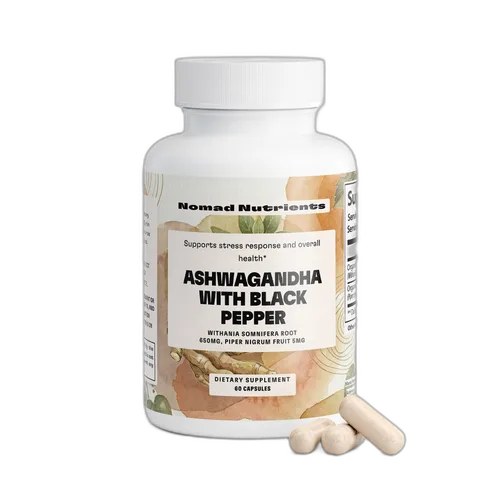
Ashwagandha with black pepper targets the HPA axis that drives cortisol production — specifically restoring the negative feedback loop that's supposed to bring cortisol back to baseline between stress events. In randomized trials, standardized ashwagandha extract produces cortisol reductions in the 20–30% range over 60 days, with subjective improvements in energy and stress resilience appearing at two to four weeks. Evening dosing aligns with the natural cortisol decline and supports sleep quality specifically. This isn't a stimulant. It's the correction to a regulatory system that's gotten stuck open.
Don't shop alone. Build with Myco.
Tell Myco your goals. He'll pull the three compounds that fit your life and time-zone — locked-in founding pricing.
Low-Grade Inflammation Is Draining You
Inflammation consumes energy. Acutely — during an infection or injury — this is the immune system doing its job. Chronically — from poor diet, gut permeability, sleep debt, or sustained psychological stress — it becomes a metabolic leak. Pro-inflammatory cytokines like IL-6 and TNF-alpha aren't just immune signals; they directly suppress mitochondrial function, reduce insulin sensitivity, and activate the central fatigue mechanisms in the brain that produce the subjective feeling of exhaustion.
Chronic low-grade inflammation rarely produces obvious symptoms. It just makes everything harder. The fatigue it produces doesn't improve with rest because the cause isn't depletion — it's an ongoing metabolic drain.
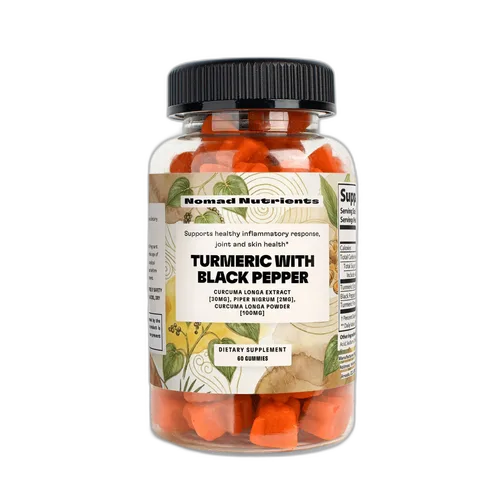
Curcumin — the active compound in turmeric — inhibits NF-kB, the transcription factor that serves as the master switch for inflammatory gene expression. Suppressing NF-kB reduces the production of the pro-inflammatory cytokines that drive chronic metabolic inflammation. Piperine from black pepper increases curcumin bioavailability by approximately 2,000% — the compound is poorly absorbed on its own and the co-formulation is non-negotiable for clinical effect. The anti-inflammatory effect of curcumin is not dramatic in the short term; at 6–8 weeks, the energy impact of reduced inflammatory load becomes measurable.
Your Brain Is Running on Glucose Fumes
The brain depends on glucose and oxygen delivered via cerebral blood flow. When blood flow to specific brain regions is suboptimal — as it can be under chronic stress, with poor vascular health, or simply with age — those regions underperform. The symptoms are specific: mental fog that worsens in the afternoon, difficulty retrieving words and names, reduced working memory, a sense that the brain is effortful to operate rather than running naturally.
This isn't a blood sugar issue per se — it's a cerebrovascular delivery issue. The fuel is available; the delivery system is the bottleneck.
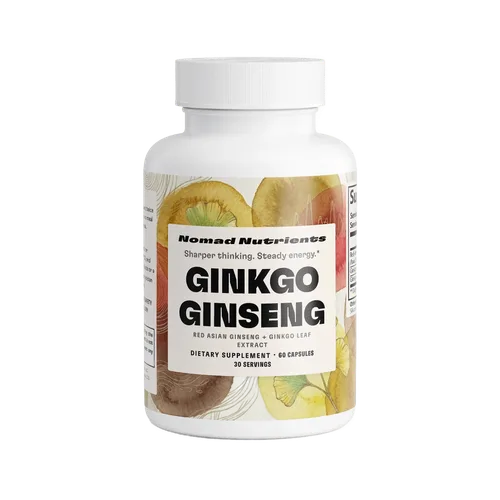
Ginkgo biloba improves cerebral blood flow by inhibiting platelet-activating factor and supporting nitric oxide-mediated vasodilation in cerebral vessels — increasing delivery of glucose and oxygen to brain tissue. Ginseng (Panax) complements this by supporting glucose uptake and utilization at the cellular level and exerting adaptogenic effects on the HPA axis. Together, they address both the delivery and utilization sides of the cerebral energy equation. The clinical evidence for Ginkgo on cognitive performance in adults with reduced cerebral blood flow is among the more consistent in the nootropic literature.
Stimulants Stopped Working
There's a ceiling to what caffeine can do — and most habitual coffee drinkers have hit it. Adenosine receptor downregulation from chronic caffeine use means you need more caffeine to get the same effect, and the effect itself becomes less clean: more jitteriness, more anxiety, more crash. You're not getting alert; you're just getting unstable.
This is a receptor problem, not a caffeine dose problem. The answer isn't more coffee. It's a different mechanism.
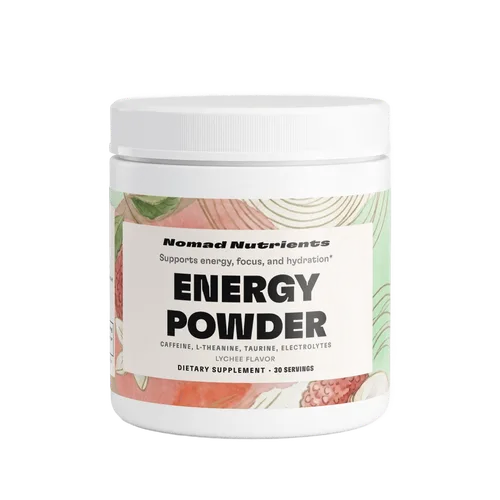
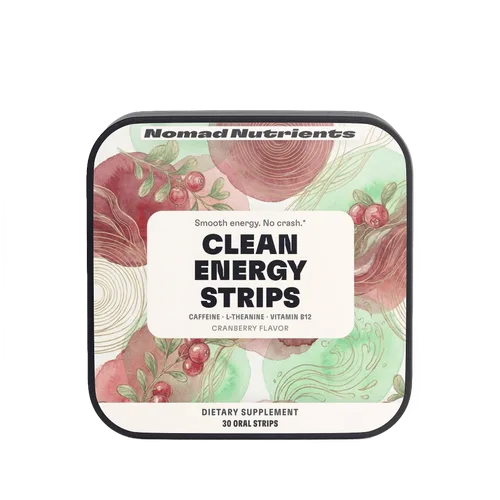
Clean energy strips combine caffeine with L-theanine at a 1:2 ratio — the pairing that decades of research shows produces smooth, focused alertness without the spike-and-crash pattern of caffeine alone. L-theanine increases alpha brain wave activity, modulating the stimulant effect of caffeine toward calm alertness rather than anxious activation. Sublingual delivery bypasses hepatic first-pass metabolism for faster onset and more consistent absorption than oral tablets. For anyone whose relationship with caffeine has become more dependency than enhancement, this is the reset.
All of the Above, Compounding
The honest answer for most chronically fatigued people isn't one cause — it's several of the above, running simultaneously and amplifying each other. Mitochondrial inefficiency makes inflammation worse. Chronic cortisol suppresses mitochondrial function. Poor cerebral blood flow reduces glucose utilization. Stimulant dependency masks the underlying depletion until the mask stops working.
Single-compound approaches hit a ceiling because the fatigue itself is multi-factorial. Addressing one mechanism while the others continue operating produces partial relief at best.
A three-product energy stack that covers mitochondrial function, cortisol regulation, and clean stimulation simultaneously addresses the compounding nature of chronic fatigue more effectively than any single intervention. The compounds are complementary, not redundant — each operating at a distinct point in the energy system. Pick the three mechanisms that resonate most with your pattern. Stack them consistently for 60 days before evaluating. The timeline reflects how these mechanisms work, not how long you should tolerate feeling flat.
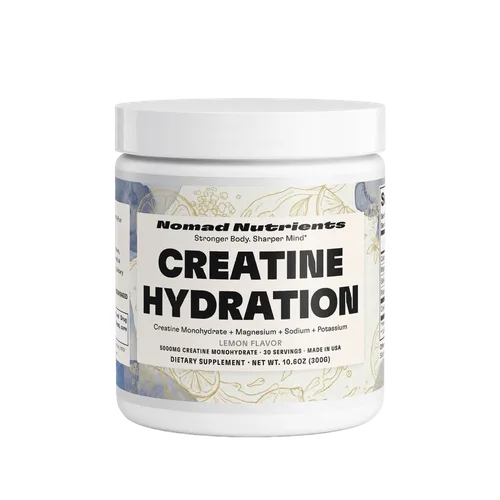
Caffeine + L-theanine strip + creatine and electrolytes + CoQ10 = Output that holds
An instant lift, steady fuel, and the mitochondrial spark to keep you going all day.


Fatigue is a symptom. These are six of the most common causes. If you've been treating the symptom — with more caffeine, more sleep hours, more willpower — and not getting meaningful results, the upstream mechanism is worth looking at.
Start with the description that fits your pattern most closely. Build from there.
Key Ingredients

Coenzyme Q10
Ubiquinone-10

Ashwagandha
Withania somnifera
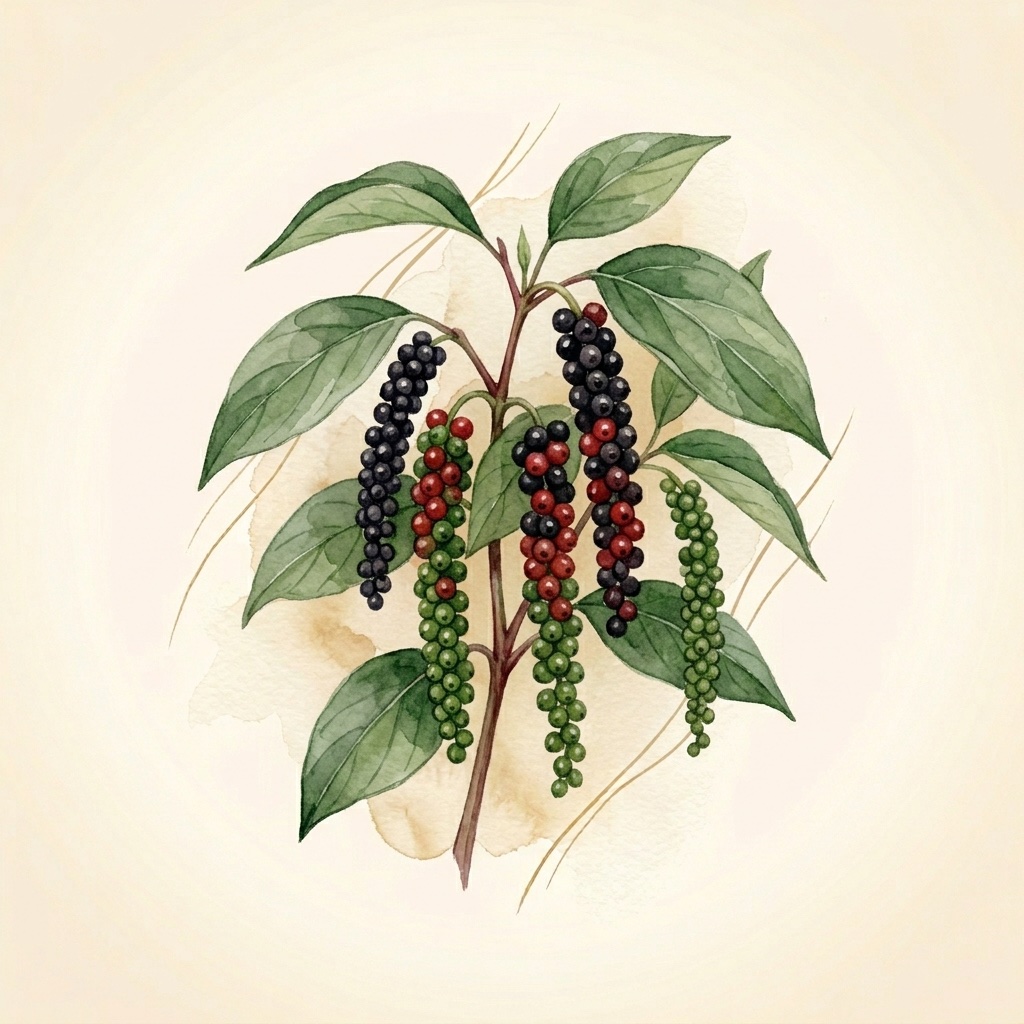
Black Pepper
Piper nigrum

Turmeric
Curcuma longa

Red Asian Ginseng
Panax ginseng

Ginkgo Biloba
Ginkgo biloba

Natural Caffeine
Caffeine (from Green Tea)

L-Theanine
L-γ-glutamylethylamide

Vitamin B12
Methylcobalamin
Three products. One protocol.
Pick 3. Save 25%. Free shipping every order. Myco cycles compounds monthly so your body never plateaus — and you never run out.
I built Nomad Nutrients because the supplement aisle is broken. Timing, dosing, and stack design matter more than the latest hero ingredient. We get the boring stuff right so you don't have to.
Build a stack from this article
$65.77$87.70
Comments
Leave a Comment
Keep reading.
When to Take Every Supplement (The Complete Timing Guide)
Your body absorbs, metabolizes, and responds to nutrients differently depending on when you take them. Fat-soluble compounds taken without fat pass through you. Stimulatory adaptogens taken at night keep you up. Minerals taken together compete for the same transporters. This is the complete timing protocol — organized by window, with the pharmacokinetic reasoning behind every recommendation.
5 Things to Stack Before 9am for All-Day Energy
Most morning routines optimize for the first 90 minutes. These five interventions are sequenced to support energy architecture across the full day — not just the first cup.
5 Reasons You Crash at 2pm (And the Compound Fix for Each)
The afternoon energy crash isn't one problem — it's five distinct biological failure modes, each with a different root cause and a different compound fix. Here's how to find yours.
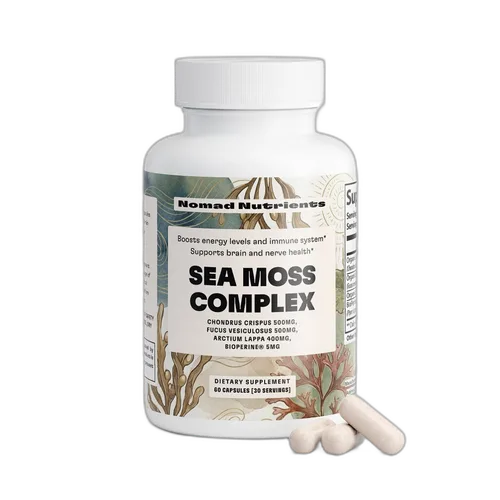
5 Supplements for Dads and Dads-to-Be
Nobody tells you that becoming a dad is a physiological event — not just an emotional one. Your sleep architecture collapses. Your cortisol stays elevated for months. Your immune system gets stress-tested by every daycare pathogen your kid brings home. And if you're not a dad yet but trying to be, your sperm quality is shaped by the same compounds that will keep you functional after the baby arrives. Five supplements that serve both sides of the transition.
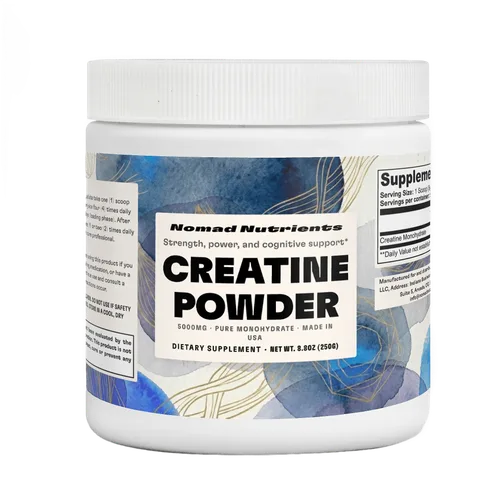
The 6 Supplements That Actually Have Clinical Evidence (And How to Stack Them)
Most supplements don't have clinical evidence worth citing. These six do — here's the specific research, the mechanism, and how they compound when stacked together.
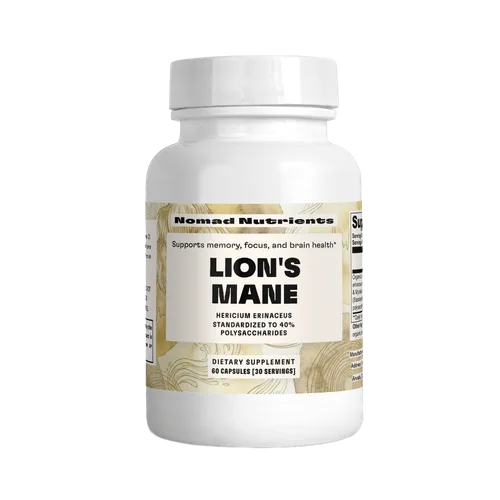
The Men's Supplement Stack After 40: What Actually Changes and What to Do About It
Something shifts in your 40s. Recovery takes longer, energy plateaus earlier in the day, and the things that used to take care of themselves quietly stop doing so. Several biological systems that were silently declining since your late 20s reach a threshold where you feel it. Here are the six compounds with evidence to address what's actually changing — in order of priority.
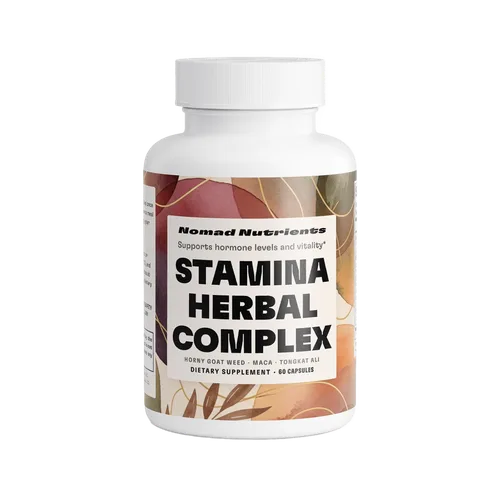
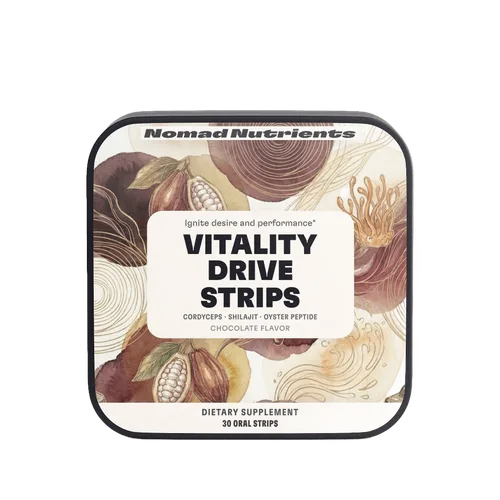
Four products. Earned their place in every stack.
These float to the top of nearly every Smart Stack — broad pathway coverage, strong evidence, real doses. Curated by Myco, rotated when something better comes along.
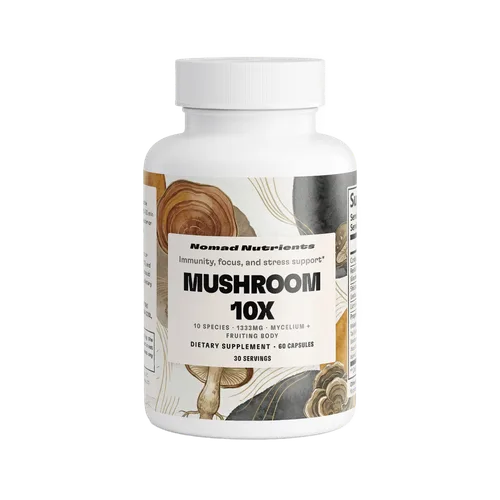
Mushroom 10X
Ten species in one capsule — the whole-spectrum support for immunity, focus, and energy.
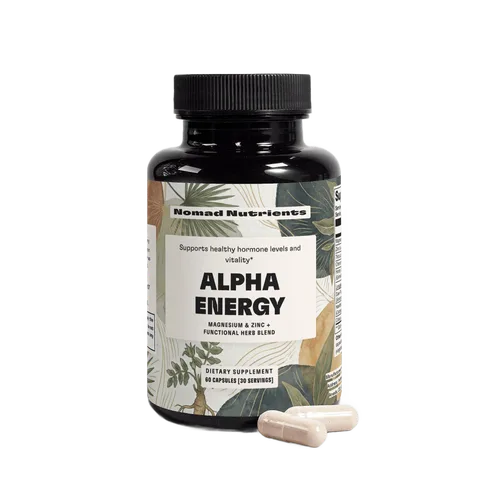
Alpha Energy
Testosterone. Energy. Drive. — Zinc, magnesium, and Tongkat Ali for natural vitality and peak performance.
Creatine Powder
The most-studied compound on earth. 5g pure — for stronger muscle and sharper thinking.
Ashwagandha
Cortisol control, calm focus, and deep recovery — the adaptogen that earns its place in every stack.
Founder’s Story
"Hi, I'm Tanner. I built Nomad for optimizers who want a real system — not just a subscription. You choose the direction, we handle the navigation. Pick your path and we'll route you there."
— Tanner
Chief Mushroom Officer