The 7 Nutritional Gaps Remote Workers Don't Know They Have
Sedentary. Indoors. Screen-heavy. The remote work lifestyle creates specific nutritional gaps that a good diet alone doesn't close. Here's what's going missing and how to address it.

Remote work has benefits that don't need another article written about them. But it also has a specific physiological profile that doesn't get discussed: sedentary by default, indoors most of the day, heavily caffeinated, running on filtered water and delivery food, with a chronic low-level stress load that never fully resolves.
That lifestyle creates nutritional gaps that don't show up dramatically — no obvious deficiency symptoms, no alarming blood panels. They accumulate quietly and show up as the kind of baseline underperformance that gets attributed to other things: the wrong sleep schedule, not enough exercise, burnout. But often it's simpler than that. Below are the seven gaps most common to this lifestyle, and what specifically addresses each one.
Filtered Water Strips Trace Minerals
Reverse osmosis and activated carbon filters do what they're supposed to do — remove contaminants, chlorine, heavy metals. They also remove the trace minerals that naturally occur in water: magnesium, calcium, potassium, zinc, selenium, and dozens of others present in smaller concentrations. If you're drinking filtered water exclusively — and most remote workers are — you've quietly removed a secondary mineral source that your body was counting on.
Trace minerals don't function in isolation. They act as cofactors in enzymatic reactions, support immune signaling, regulate nerve transmission, and maintain fluid balance across cell membranes. The gaps from filtered water are small on any given day. Over months and years, they compound.
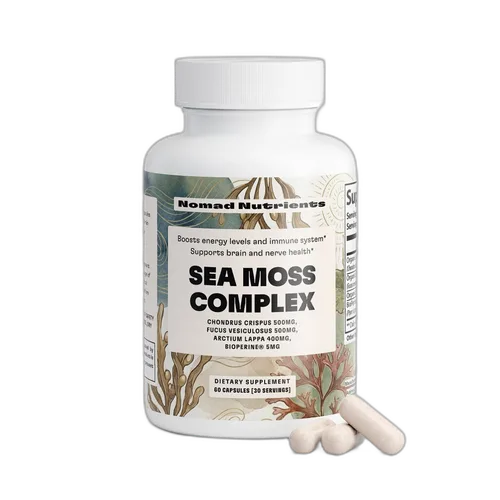
Wildcrafted sea moss delivers a broad spectrum of trace minerals in ionic form — the same form present in natural water sources, which means absorption is efficient without requiring conversion. The mineral profile is broad rather than targeted, which is exactly what a deficiency from water source removal looks like: diffuse, across multiple minerals, not concentrated in one. A daily sea moss blend covers the baseline mineral gap without requiring you to audit which specific minerals you're missing.
No Sunlight Means No Nutrient Synthesis
Vitamin D is the obvious one — synthesized through UV-B exposure to skin — and most people who work indoors know they're probably deficient. But sunlight exposure also drives other cascades: melatonin regulation, circadian rhythm entrainment, and the synthesis of nitric oxide from skin stores, which supports cardiovascular function. Working indoors doesn't just reduce vitamin D. It disrupts multiple systems that evolved around the assumption of daily outdoor light exposure.
Beyond vitamin D, the indoor lifestyle restricts dietary diversity. When you're home all day, meals trend toward convenience — which means less variety, less color, and less of the micronutrient spectrum that a genuinely varied diet would provide.
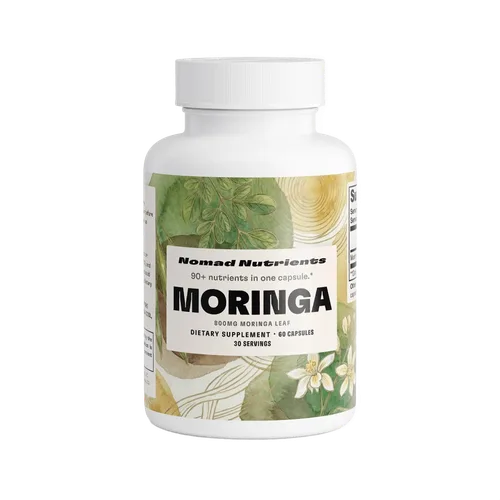
Moringa is one of the most nutritionally dense plant sources available — delivering plant-based iron, calcium, vitamin A, vitamin K, and a broad amino acid profile in a single daily capsule. It's not a replacement for sunlight or dietary variety, but it closes the gap between what a convenient indoor diet delivers and what a varied whole-food diet provides. For iron specifically — often low in plant-heavy diets and not synthesized from light — moringa's non-heme iron content is meaningfully bioavailable.
Don't shop alone. Build with Myco.
Tell Myco your goals. He'll pull the three compounds that fit your life and time-zone — locked-in founding pricing.
Sitting All Day Depletes Creatine Faster Than You Think
This one runs counter to intuition. You might assume that sedentary work depletes fewer resources than physical labor. For muscular creatine stores, that's partially true. For brain creatine, the opposite can apply. Sustained cognitive work — sustained attention, working memory load, complex decision-making — draws heavily on the phosphocreatine system in neurons. The brain accounts for 20% of total energy output from roughly 2% of body weight. Under sustained cognitive load, that demand is continuous.
Without the physical activity that would otherwise prompt dietary creatine intake through meat and fish, and without the resynthesis stimulus that movement provides, remote workers — especially those eating less red meat — can end up with chronically lower brain phosphocreatine than they realize.
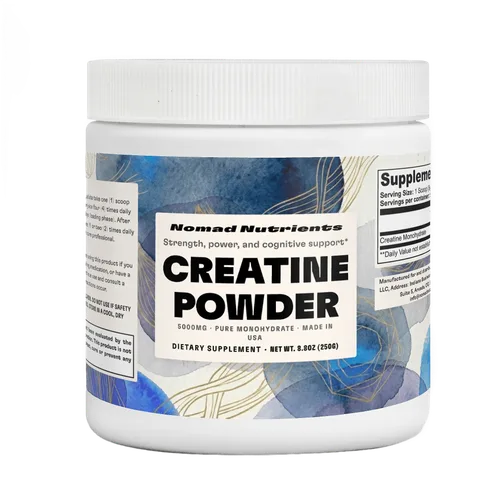
Creatine monohydrate at 3–5g daily saturates both muscle and brain phosphocreatine stores, giving neurons a larger rapid-recharge buffer during sustained cognitive demand. The cognitive benefits are most apparent under conditions of mental fatigue and stress — which, again, describes most remote work days accurately. The effect is slow to notice and slow to lose, which is why consistency is the only variable that matters.
Screen Time Is Degrading Skin From the Inside
High-energy visible (HEV) light — the blue-spectrum light emitted by screens — penetrates skin more deeply than UV-A and generates reactive oxygen species (ROS) in the dermis. Unlike UV-B (which is largely blocked by glass), HEV light passes through windows and screens without filtration. Six to ten hours of screen exposure daily is a significant cumulative oxidative load on skin tissue.
The damage mechanism is similar to UV photoaging: ROS degrade collagen fibers, accelerate elastin breakdown, and trigger MMP enzymes that break down existing dermal matrix. Topical antioxidants help at the surface. The deeper oxidative damage requires internal support.
Hydrolyzed collagen peptides delivered sublingually bypass the digestive breakdown that limits oral collagen absorption from food sources. Double-blind clinical evidence at 12 weeks shows measurable increases in dermal collagen density and skin elasticity with daily supplementation. The mechanism is twofold: the peptides provide the raw material for collagen synthesis, and specific hydroxyproline sequences act as signaling molecules that upregulate the fibroblasts responsible for collagen production. Rebuilding the dermal matrix from the inside is the intervention that topical products can't replicate.
You're Dehydrated But Not Thirsty
The thirst mechanism is a lagging indicator — by the time you feel thirsty, you're already meaningfully dehydrated. In an air-conditioned office environment, with high coffee intake, and without the physical exertion that would normally trigger thirst, remote workers often run chronically under-hydrated without the subjective signal that would prompt correction.
The problem isn't just water volume. Coffee increases urinary output and sodium excretion. AC reduces ambient humidity, increasing insensible water loss through respiration and skin. Plain water intake without electrolyte replenishment can actually dilute sodium concentrations, impairing fluid retention at the cellular level. The result: you're drinking water, you're still dehydrated, and you don't understand why your concentration is poor and your headaches keep coming back.
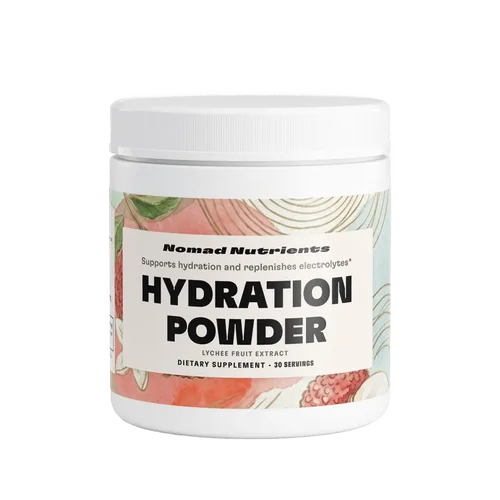
An electrolyte powder with a sodium-potassium-magnesium profile supports fluid retention at the cellular level rather than just increasing water volume. The sodium-potassium pump — the mechanism that maintains the electrical gradient across cell membranes — requires both minerals in the right ratio. Replacing water without electrolytes doesn't restore that gradient. A daily hydration serving, particularly mid-morning when coffee's diuretic effect is peaking, closes the gap that plain water alone doesn't address.
Your Microbiome Suffers Without Dietary Variety
Gut microbiome diversity correlates strongly with the variety of plant polyphenols in the diet. Different bacterial species are supported by different fermentable fibers and plant compounds — the more diverse the plant inputs, the more diverse and resilient the microbiome. A convenience-heavy remote work diet — rotating through the same handful of easy meals — gradually narrows the polyphenol variety that feeds the microbiome, reducing diversity over months.
A less diverse microbiome means reduced production of short-chain fatty acids, impaired gut barrier integrity, suboptimal immune regulation, and disrupted gut-brain axis signaling — the bidirectional communication pathway that connects gut health to mood, cognition, and stress response. The gut's downstream effects reach further than most people realize.
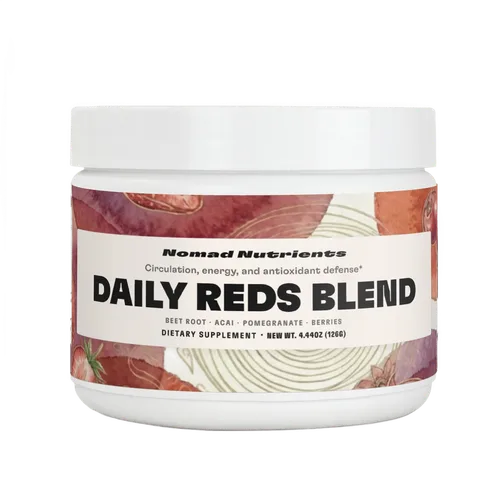
A superfood red blend delivers concentrated polyphenols from beetroot, pomegranate, acai, and other high-ORAC plant sources — feeding the gut bacteria that thrive on diverse plant inputs without requiring you to restructure your entire diet. The polyphenol variety is the variable, not just the total dose. A blend that covers multiple plant sources provides the signal diversity the microbiome needs from a single daily serving.
The Gaps Compound Over Months
Each of the gaps above is individually small. A trace mineral here, a polyphenol deficit there, a modest phosphocreatine gap in the brain. None of them trip clinical thresholds. None of them produce acute symptoms dramatic enough to prompt action. But they compound. A slightly under-resourced nervous system, running on a slightly degraded microbiome, with gradually declining skin resilience and modest dehydration — this is the profile of someone performing at 80% who attributes it to stress and poor time management.
The accumulation is what makes these gaps worth addressing systematically rather than reactively.
A goal-based immunity and foundations stack covers multiple pathways simultaneously — not by targeting one acute problem, but by closing the background deficits that add up over time. The logic isn't dramatic intervention; it's consistent maintenance of the baseline conditions that allow everything else to function. Three products, rotating daily, covering the gaps that a good diet still misses given the specific lifestyle constraints of remote work.
Reishi and 4-species immune complex + cordyceps-fueled endurance + lion's mane NGF = Full-spectrum mushroom defense
Primes your defenses, fuels clean endurance, and sharpens focus — three mushroom mechanisms, zero overlap.


The remote work lifestyle isn't going away. Neither are its nutritional tradeoffs — unless you specifically account for them. The gaps above don't require dramatic dietary overhaul. They require closing a specific set of deficits that this particular lifestyle creates, with the compounds that address each mechanism directly.
Start with the gaps that resonate most. Build from there.
Key Ingredients
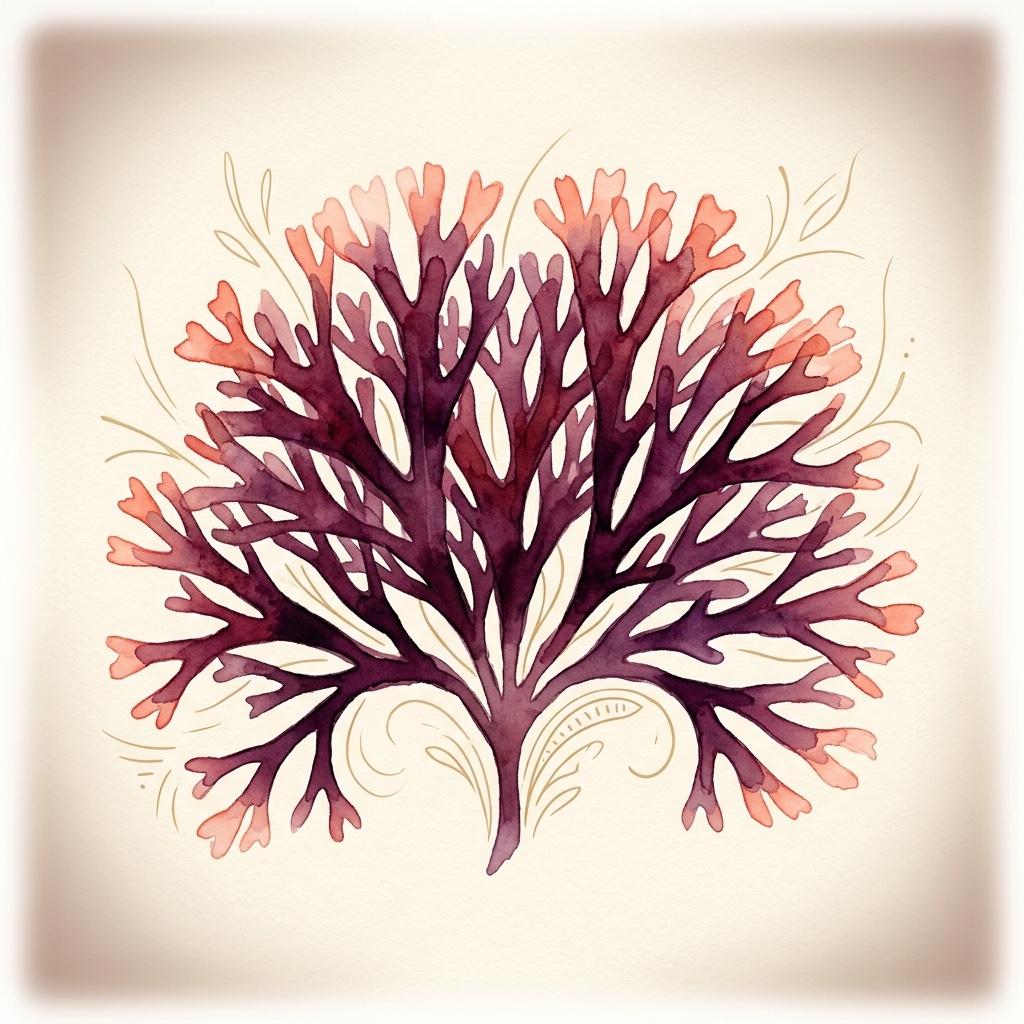
Irish Moss
Chondrus crispus
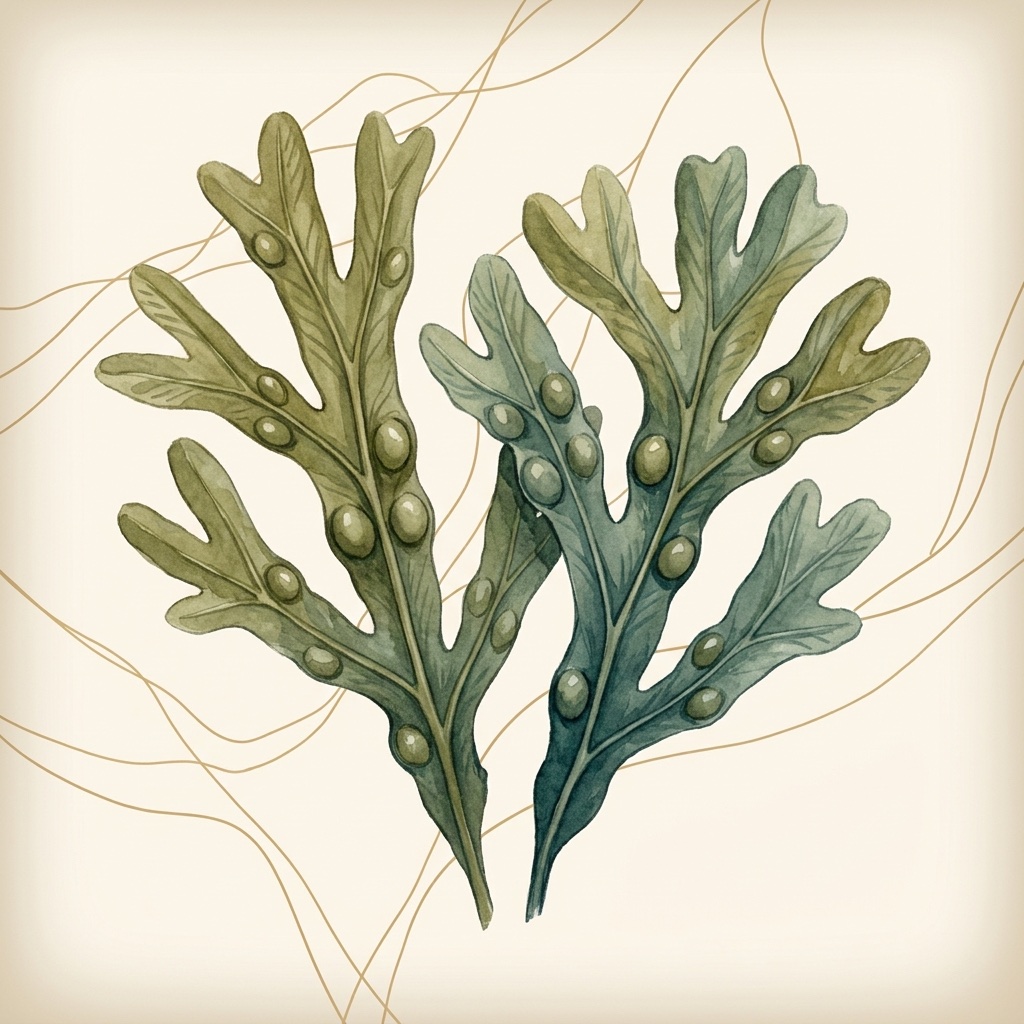
Bladderwrack
Fucus vesiculosus

Burdock Root
Arctium lappa

Moringa
Moringa oleifera

Creatine Monohydrate
Creatine

Collagen Peptide
Hydrolyzed Collagen

Vitamin E
DL-alpha-Tocopherol

Potassium
Potassium Citrate

Sodium
Sodium Citrate

Calcium
Calcium Carbonate
Probiotics
Multi-strain Blend
Three products. One protocol.
Pick 3. Save 25%. Free shipping every order. Myco cycles compounds monthly so your body never plateaus — and you never run out.
Code FIRST20 applied at checkout — extra $20 off your first stack
I built Nomad Nutrients because the supplement aisle is broken. Timing, dosing, and stack design matter more than the latest hero ingredient. We get the boring stuff right so you don't have to.
Build a stack from this article
$63.52$84.70
Comments
Leave a Comment
Keep reading.
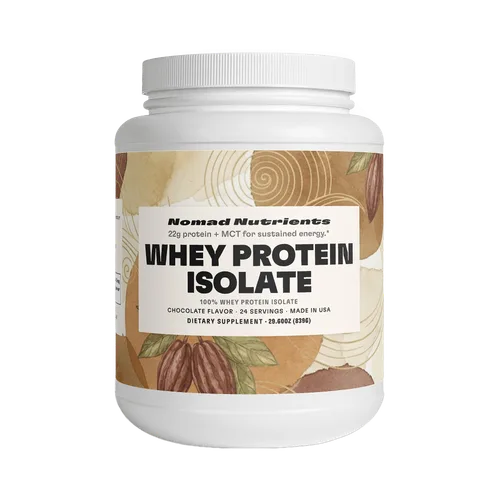
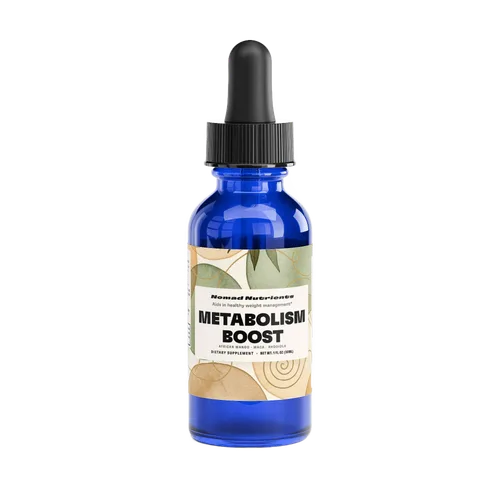
5 Body Composition Mistakes That Have Nothing to Do With Training
Protein timing errors, muscle loss during cuts, metabolic plateau, skin elasticity during body changes, and electrolyte neglect — five body composition mistakes that happen outside the gym.


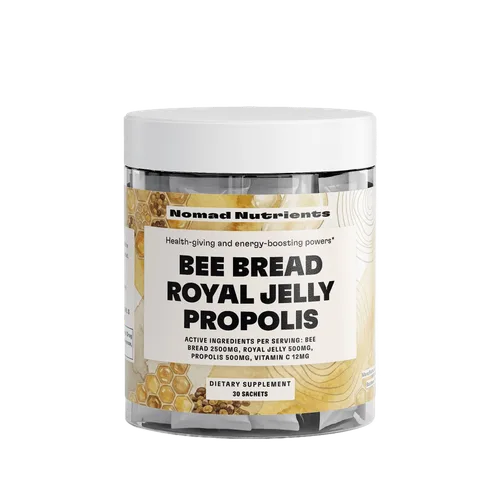
5 Ancient Superfoods That Modern Science Actually Validates
Bee bread, shilajit, moringa, sea moss — these aren't wellness trends. They're ancient nutritional technologies with modern clinical data behind them. Here's what they replace and why they work better.
Why Your Collagen Routine Still Isn't Working
Collagen rebuilds skin's protein matrix. It doesn't touch hair or nails, and it doesn't work without the minerals that hold it together. Here's the 3-layer system that actually covers all three.
When to Take Every Supplement (The Complete Timing Guide)
Your body absorbs, metabolizes, and responds to nutrients differently depending on when you take them. Fat-soluble compounds taken without fat pass through you. Stimulatory adaptogens taken at night keep you up. Minerals taken together compete for the same transporters. This is the complete timing protocol — organized by window, with the pharmacokinetic reasoning behind every recommendation.
5 Supplements for Dads and Dads-to-Be
Nobody tells you that becoming a dad is a physiological event — not just an emotional one. Your sleep architecture collapses. Your cortisol stays elevated for months. Your immune system gets stress-tested by every daycare pathogen your kid brings home. And if you're not a dad yet but trying to be, your sperm quality is shaped by the same compounds that will keep you functional after the baby arrives. Five supplements that serve both sides of the transition.
6 Biomarkers of Aging You Can Actually Influence
NAD+ decline, CoQ10 depletion, telomere shortening, mitochondrial Complex IV inefficiency, collagen loss, and phosphocreatine decline — six measurable markers of biological aging and the compounds that influence each one.
Shop the products.
Four products. Earned their place in every stack.
These float to the top of nearly every Smart Stack — broad pathway coverage, strong evidence, real doses. Curated by Myco, rotated when something better comes along.
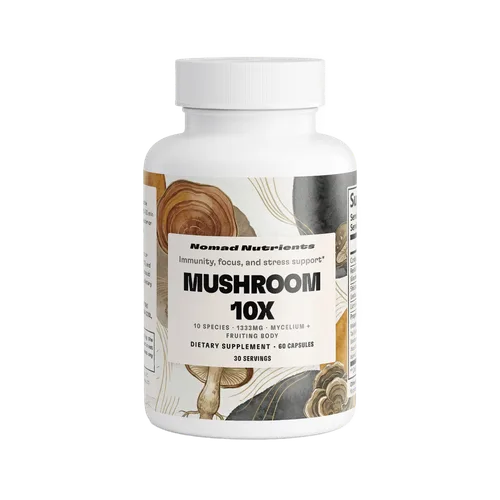
Mushroom 10X
Ten species in one capsule — the whole-spectrum support for immunity, focus, and energy.
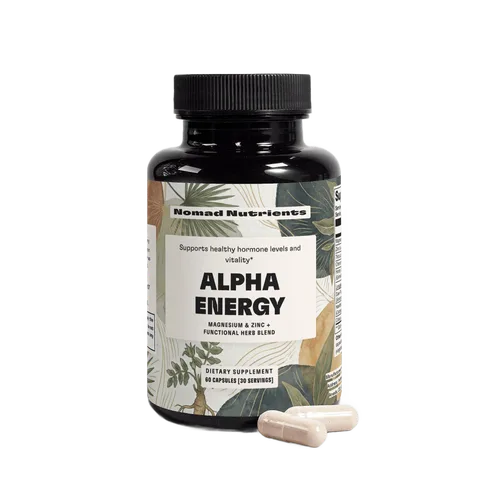
Alpha Energy
Testosterone. Energy. Drive. — Zinc, magnesium, and Tongkat Ali for natural vitality and peak performance.
Creatine Powder
The most-studied compound on earth. 5g pure — for stronger muscle and sharper thinking.
Ashwagandha
Cortisol control, calm focus, and deep recovery — the adaptogen that earns its place in every stack.
Founder’s Story
"Hi, I'm Tanner. I built Nomad for optimizers who want a real system — not just a subscription. You choose the direction, we handle the navigation. Pick your path and we'll keep you dialed in."
— Tanner
Chief Mushroom Officer