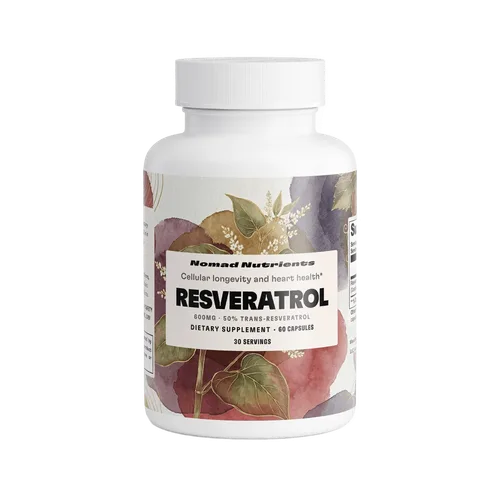
The human data on resveratrol is mixed — neither the disaster the cynics suggest nor the longevity breakthrough the hype implied.
Metabolic effects: Several randomized controlled trials have found that resveratrol supplementation (150–1000mg daily) improves insulin sensitivity and reduces fasting glucose in individuals with metabolic syndrome or type 2 diabetes. These are consistent, replicated findings. The AMPK activation mechanism is plausible here and the effect sizes are clinically meaningful for the populations studied.
Cardiovascular markers: Multiple trials show reductions in LDL oxidation, improvements in endothelial function, and modest reductions in inflammatory markers (CRP, IL-6) with resveratrol supplementation. The effect on cardiovascular biomarkers is the most consistently positive signal in human research.
The exercise paradox: A counterintuitive finding from a 2013 RCT in elderly men: resveratrol supplementation actually blunted the cardiovascular adaptations from exercise training — VO2 max improvements, blood pressure reductions, and LDL improvements were all smaller in the resveratrol group than placebo. The proposed mechanism: resveratrol's antioxidant activity may be suppressing the reactive oxygen species (ROS) that serve as training signals. Exercise adaptation requires some oxidative stress — antioxidants that are too effective in the post-exercise window can interfere with the signaling that drives adaptation.
This finding is significant and often omitted from resveratrol marketing. Timing relative to exercise may matter considerably.
Longevity endpoints: No human trials have measured longevity directly — that would require multi-decade studies. Biomarker endpoints associated with biological aging (telomere length, DNA damage markers, advanced glycation end products) have shown inconsistent results across trials. The honest answer is that we don't know whether resveratrol supplementation extends human healthspan or lifespan, and the current evidence doesn't strongly support a confident yes.