A Science-Backed Skincare Routine (Inside and Out)
Most skincare routines stop at the epidermis — the outermost 0.1mm of your skin. They ignore the dermis beneath it, where collagen, elastin, and hyaluronic acid are actually synthesized. No topical product reaches the dermis in meaningful concentrations. This layer responds to systemic inputs. A complete routine works both sides: topical actives on the surface, systemic compounds from within.


Your skin has two functional layers that matter for appearance and health. The epidermis is the barrier — it protects against UV, pathogens, and moisture loss. Topical skincare acts here. The dermis is the structure — it contains fibroblasts that produce collagen, elastin, and hyaluronic acid. This is where wrinkles actually form, where skin thickness is determined, and where the plumpness of youthful skin originates. No topical product reaches the dermis in meaningful therapeutic concentrations.
A routine that addresses only one layer is half a routine. Here are the seven steps — three AM topical, three PM topical, one internal — with the mechanism and rationale for each.
AM — Gentle Cleanser: Surface Preparation Without Barrier Destruction
The purpose of a morning cleanser isn't deep cleaning — your skin wasn't exposed to much overnight beyond its own sebum and some pillow contact. It's surface preparation: removing the overnight lipid film so that subsequent actives (antioxidant serum, moisturizer) can penetrate the stratum corneum rather than sitting on top of an oil layer. The mistake most routines make is over-cleansing in the morning — using the same aggressive surfactant you'd use to remove sunscreen at night.
Over-cleansing disrupts the acid mantle (the skin's natural pH barrier at ~5.5), strips ceramides from the lipid matrix between corneocytes, and increases transepidermal water loss (TEWL). The result: every subsequent product stings rather than absorbs, and your skin spends the day trying to rebuild the barrier you destroyed at 7am. Gentle is not weak — it's appropriate for the morning context.
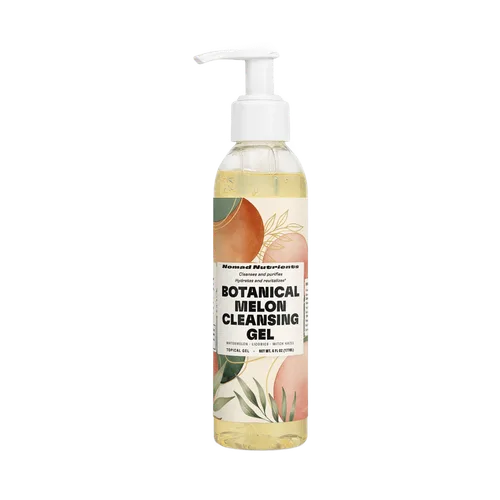
The botanical melon cleansing gel is a pH-balanced, gentle surfactant cleanser that removes overnight sebum without disrupting the acid mantle or stripping the ceramide matrix. The botanical extracts provide mild antioxidant support during the cleansing step. Use lukewarm water — hot water increases lipid removal and TEWL. Twenty seconds of contact time is sufficient for a morning cleanse; you're not dissolving sunscreen, you're preparing a surface.
AM — Antioxidant Serum: The Chemical Shield Under Sunscreen
UV radiation generates reactive oxygen species (ROS) in the skin — free radicals that damage collagen, elastin, and DNA in the dermis. Sunscreen blocks most UV but not all, and it doesn't block visible light or infrared radiation, which also contribute to photoaging through ROS generation. An antioxidant serum creates a second layer of defense: it scavenges the free radicals that penetrate your sunscreen, reducing oxidative damage to the dermal proteins that determine how your skin ages.
EGCG (epigallocatechin gallate), the primary active catechin in green tea extract, neutralizes ROS, reduces inflammatory NF-kB signaling in UV-exposed skin, and has demonstrated direct photoprotective effects in multiple studies. Applied in the morning beneath sunscreen, it functions as a chemical shield — catching the oxidative damage that physical UV blocking alone misses.
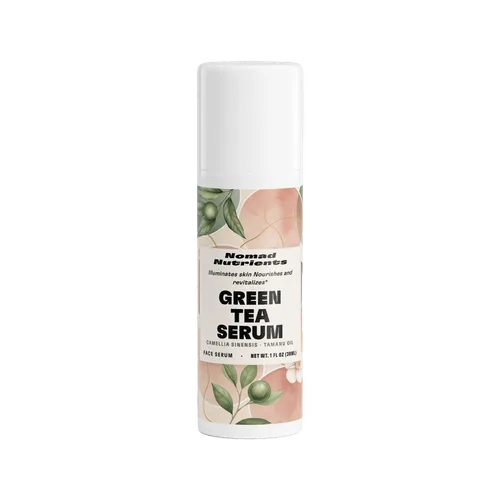
The green tea antioxidant serum delivers EGCG and supporting catechins directly to the stratum corneum where UV-generated ROS first form. Apply after cleansing, before moisturizer and sunscreen. The serum layer absorbs into the stratum corneum within 60–90 seconds; the moisturizer and sunscreen then seal it in. This layering order matters: water-based serums go under emulsion-based moisturizers, which go under sunscreen. Reversing the order prevents serum penetration.
Don't shop alone. Build with Myco.
Tell Myco your goals. He'll pull the three compounds that fit your life and time-zone — locked-in founding pricing.
AM — Moisturizer: Barrier Seal and Hydration Lock
Moisturizers serve two distinct functions through two classes of ingredients. Humectants (hyaluronic acid, glycerin) draw water into the epidermis from the dermis below and from ambient humidity. Occlusives (ceramides, fatty acids, squalane) create a physical barrier that reduces transepidermal water loss. You need both. Humectants without occlusives can actually dehydrate skin in low-humidity environments — the humectant draws water upward from the dermis, and without an occlusive seal, that water evaporates into the ambient air.
A good morning moisturizer is lightweight enough to layer under sunscreen without pilling, but occlusive enough to seal the antioxidant serum beneath it and prevent the TEWL that would otherwise undo the hydration step.
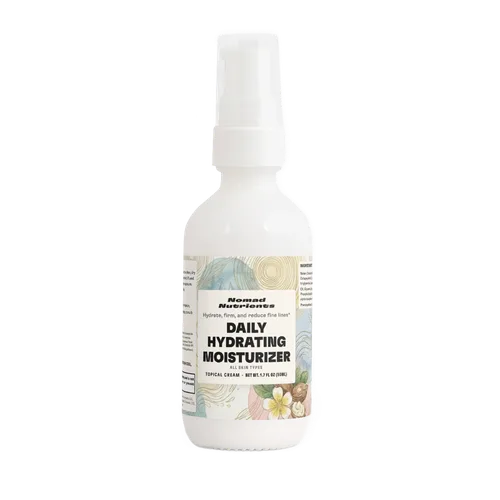
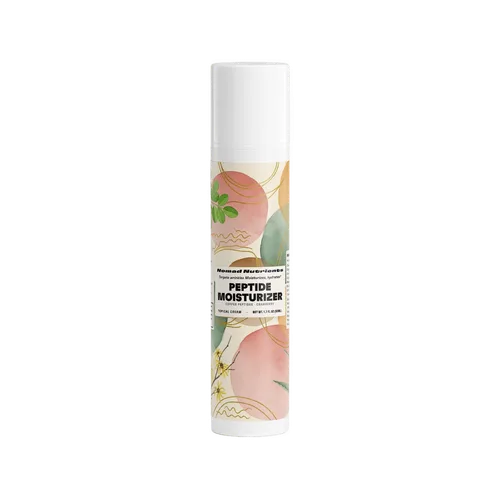
The daily hydrating moisturizer balances humectant and occlusive ingredients for daytime wear under sunscreen. Apply within 60 seconds of serum application while the skin is still slightly damp — this traps the aqueous serum layer beneath the occlusive moisturizer layer. Follow immediately with SPF 30+ broad-spectrum sunscreen. Sunscreen is non-negotiable and is the single highest-impact anti-aging intervention in any routine — everything else is secondary to UV protection.
PM — Retinol + Peptide Serum: The Gold Standard Active
Retinol (vitamin A) is the single best-studied topical anti-aging compound. It binds to retinoic acid receptors (RARs) in keratinocytes and fibroblasts, upregulating collagen I and III synthesis, accelerating epidermal turnover (pushing fresh cells to the surface faster), reducing melanin production via tyrosinase inhibition, and normalizing desquamation (preventing the dead cell buildup that dulls skin). The evidence base for retinol spans decades and hundreds of controlled studies.
Peptides add a complementary signaling layer. Matrixyl (palmitoyl pentapeptide-4) mimics collagen breakdown fragments, signaling fibroblasts to increase collagen production — a mechanism similar to oral collagen peptides but applied topically. Copper peptides (GHK-Cu) support wound healing, collagen synthesis, and antioxidant enzyme production. Combining retinol with peptides addresses both the receptor-mediated pathway (retinol → RAR activation) and the peptide signaling pathway (fragment recognition → fibroblast upregulation).
The retinol peptide face serum combines retinol with peptide actives for dual-pathway dermal stimulation. PM only — retinol increases photosensitivity and degrades under UV exposure. Start at 2–3 nights per week and build to nightly use over 4–6 weeks. Initial dryness and mild peeling (retinization) are normal and subside as the skin adapts. Apply to dry skin after cleansing. Retinol on damp skin increases penetration beyond what's needed and increases irritation risk.
PM — Snail Mucin: Barrier Repair After Retinol
Retinol is effective because it accelerates cell turnover and remodels the dermis. The tradeoff: it temporarily compromises the barrier during the retinization period and creates ongoing mild barrier stress with nightly use. The skin tolerates this well when supported — but "supported" means providing the glycosaminoglycans, glycoproteins, and humectants that the accelerated turnover process demands.
Snail mucin (Cornu aspersum secretion filtrate) contains a complex of glycosaminoglycans, hyaluronic acid, glycoprotein enzymes, allantoin, copper peptides, and antimicrobial peptides. It's not just hydration — it's a repair complex. The allantoin promotes cell proliferation. The glycosaminoglycans rebuild the extracellular matrix. The hyaluronic acid provides deep hydration. Applied after retinol, it provides the raw materials and signaling molecules the skin needs to recover from retinol-driven remodeling overnight.
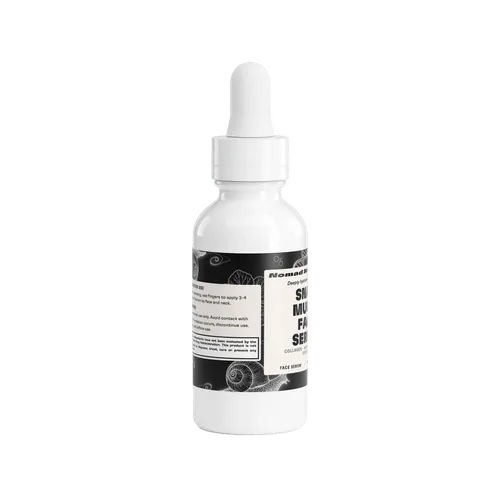
The snail mucin face serum applies after retinol has absorbed (wait 5–10 minutes for the retinol to dry down). The mucin complex supports overnight barrier recovery without interfering with retinol receptor binding — the mechanisms are complementary, not competitive. The result: retinol does its remodeling work while the mucin provides the repair substrate. This combination allows nightly retinol use without the chronic dryness and irritation that retinol alone produces in many skin types.
PM — Jojoba Oil Seal: The Occlusive Final Layer
Occlusion is the most underused step in most skincare routines. Without an occlusive final layer, humectants applied earlier can actually reverse — drawing water out of the epidermis into dry ambient air (particularly in climate-controlled environments where indoor humidity drops below 40%). Every water-based serum and moisturizer applied before needs a physical seal to prevent overnight evaporative loss.
Jojoba oil is technically a liquid wax ester, not an oil. Its molecular structure closely mimics human sebum (the skin's natural lipid secretion), which is why it absorbs readily, doesn't disrupt the acid mantle, and doesn't clog pores in most skin types. It creates a breathable occlusive layer that prevents TEWL while allowing normal gas exchange and sweat secretion overnight.
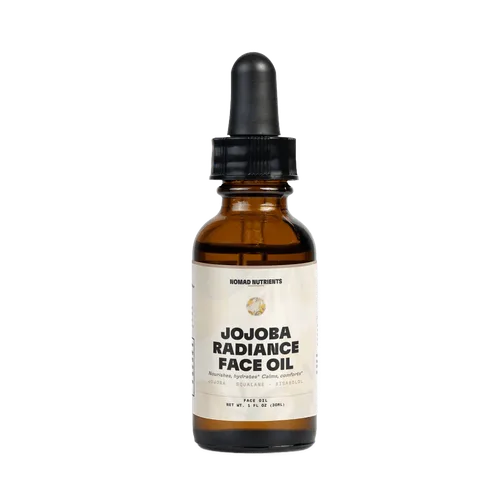
The nourishing jojoba face oil is the final PM layer — applied over snail mucin and retinol to seal everything in. Two to three drops warmed between palms and pressed (not rubbed) into the face. The pressing technique distributes the oil evenly without disrupting the serum layers beneath. This occlusive seal keeps the retinol, peptides, mucin, and hydration in contact with the skin throughout the night rather than evaporating into your pillow or the ambient air.
Internal — Collagen Peptides: The Layer No Topical Reaches
Every topical product acts on the epidermis — the outer 0.1mm. The dermis, where collagen, elastin, and hyaluronic acid are synthesized by fibroblasts, is fed from the inside. No cream reaches fibroblasts in meaningful therapeutic concentrations. The dermal matrix — the structural foundation that determines skin thickness, elasticity, and wrinkle depth — responds to systemic inputs: nutrition, hydration, and internal supplementation.
Hydrolyzed collagen peptides (specifically the hydroxyproline-containing fragments Pro-Hyp and Hyp-Gly) are absorbed through PepT1 transporters, enter systemic circulation, and accumulate in the dermis within hours. There they serve dual functions: raw material for fibroblast collagen synthesis and signaling molecules that upregulate fibroblast activity. Multiple RCTs show measurable improvements in skin hydration, elasticity, and wrinkle depth after 8–12 weeks of consistent supplementation.
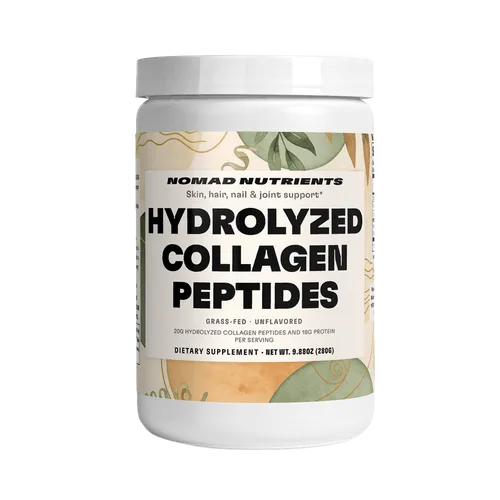
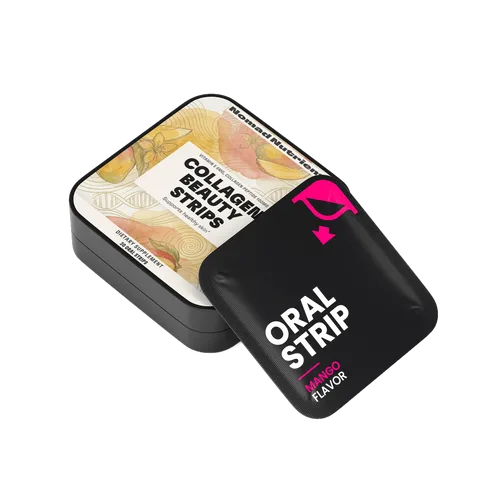
Collagen boost strips deliver hydrolyzed collagen peptides sublingually — directly into the bloodstream without GI variability or food-timing requirements. This is the internal half of the skincare equation: topicals protect and maintain the surface; collagen peptides build and repair the structure. The effects are cumulative over 8–24 weeks as fibroblast activity upregulates and existing tissue turns over. This is the step most skincare routines lack — and it addresses the layer that matters most for long-term skin aging.
The combined protocol: AM cleanser → antioxidant serum → moisturizer → sunscreen (topical protection). PM cleanser → retinol peptide serum → snail mucin → jojoba oil (topical repair). Morning or evening: collagen strips (structural support from within).
Timeline: weeks 1–2, improved hydration and possible retinol adjustment. Weeks 4–6, smoother texture and more even tone. Weeks 8–12, visible improvement in fine lines and firmness as collagen supplementation effects emerge. Weeks 12–24, continued structural improvement as dermal remodeling progresses. Skin cell turnover takes 28 days at age 20 and slows to 40–50 days by age 40 — any skincare change needs at least one full cycle to show results.
Key Ingredients

Glycerin
Glycerol

Panthenol
Provitamin B5

Licorice Root Extract
Glycyrrhiza glabra

Jojoba Oil
Simmondsia chinensis

Squalane
Squalane (hydrogenated Squalene)

Magnolia Bark
Magnolia officinalis

Collagen Peptide
Hydrolyzed Collagen

Vitamin E
DL-alpha-Tocopherol
Three products. One protocol.
Pick 3. Save 25%. Free shipping every order. Myco cycles compounds monthly so your body never plateaus — and you never run out.
Code FIRST20 applied at checkout — extra $20 off your first stack
I built Nomad Nutrients because the supplement aisle is broken. Timing, dosing, and stack design matter more than the latest hero ingredient. We get the boring stuff right so you don't have to.
Build a stack from this article
$71.02$94.70
Comments
Leave a Comment
Keep reading.
5 Skincare Actives That Work Better From the Inside Out
Retinol, hyaluronic acid, peptide serums — topical actives do real work. But the mechanisms they try to trigger internally are more efficiently reached from below the epidermis. Here's where the layering actually matters.
The Supplement Guide for Hair Loss That's Actually Honest
Hair loss content falls into two categories: 'this miracle supplement regrows everything' and 'nothing works, see a dermatologist.' The truth is between them. Some supplements have evidence for specific types of hair loss — nutritional deficiency and stress-induced shedding respond well. Pattern hair loss requires medical intervention. None of them are miracle cures. Here's the honest version, with the type-specific framework that determines whether supplementation is the right tool.
4 Things Happening to Your Skin After 30 That Topicals Can't Fix
The collagen cliff, glycation, gut-skin axis disruption, structural protein loss — these happen below the surface. Serums can't reach them. Here's what actually can.
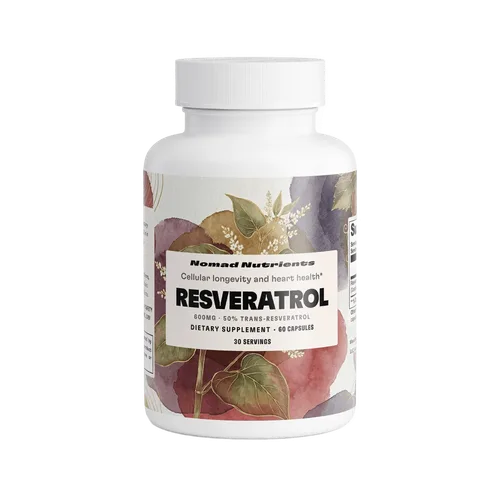
Why Your Collagen Routine Still Isn't Working
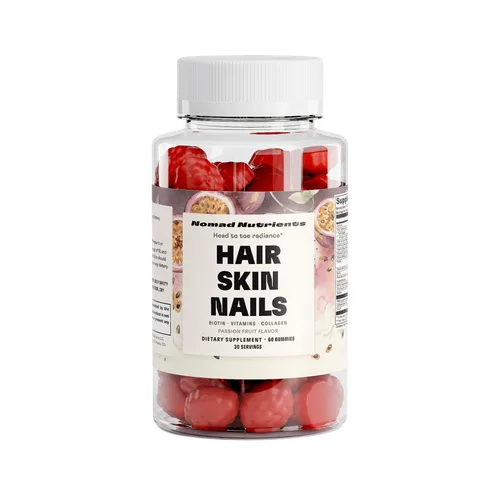
Collagen rebuilds skin's protein matrix. It doesn't touch hair or nails, and it doesn't work without the minerals that hold it together. Here's the 3-layer system that actually covers all three.
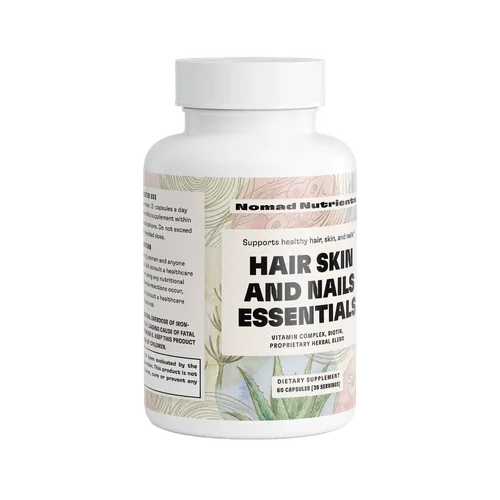
When to Take Every Supplement (The Complete Timing Guide)
Your body absorbs, metabolizes, and responds to nutrients differently depending on when you take them. Fat-soluble compounds taken without fat pass through you. Stimulatory adaptogens taken at night keep you up. Minerals taken together compete for the same transporters. This is the complete timing protocol — organized by window, with the pharmacokinetic reasoning behind every recommendation.
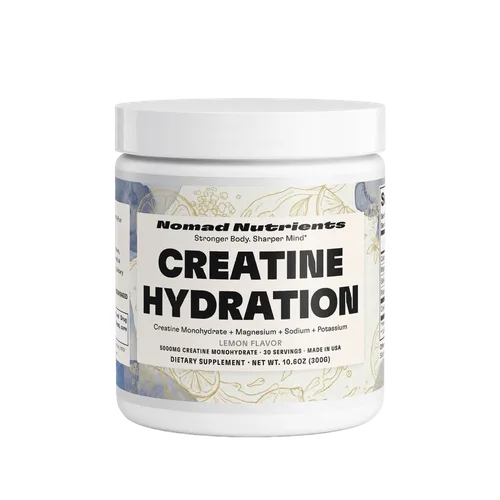
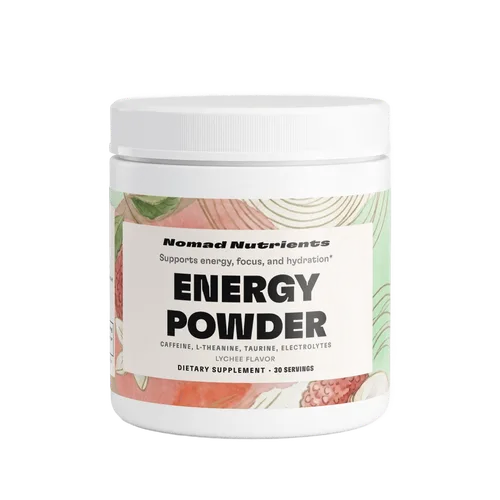
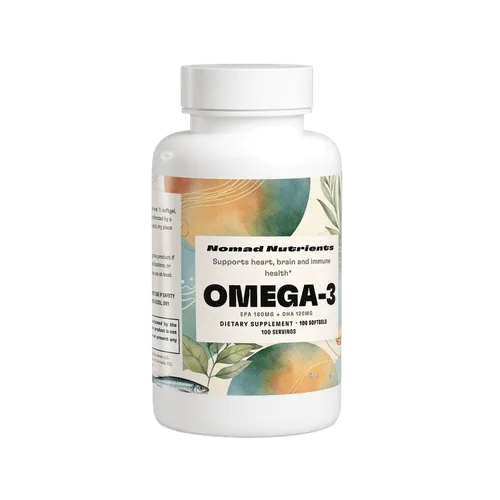
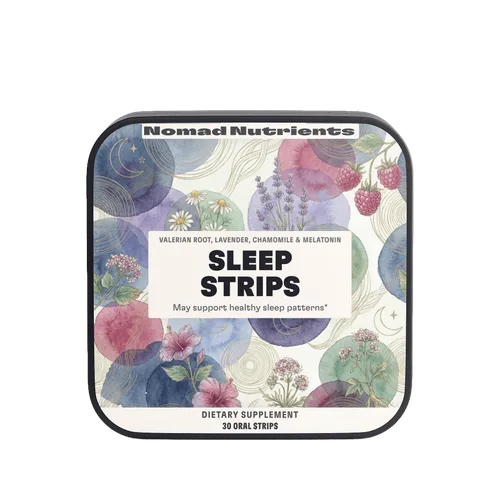
The Complete Collagen Guide: Types, Formats, Timing, and Whether It Actually Works
Collagen is the most abundant protein in your body and the most searched supplement category after protein powder. When you ingest hydrolyzed collagen, you're not depositing intact molecules into your skin — the molecule is far too large. What happens is more interesting: specific peptide fragments survive digestion, accumulate in the dermis, and serve as signaling molecules that upregulate your body's own collagen production. This guide maps the mechanism, evaluates the evidence, and explains why format and timing determine whether supplementation works or wastes your money.
Shop the products.
Botanical Melon Cleansing Gel
Stack price · Save 25%
Green Tea Antioxidant Serum
Stack price · Save 25%
Daily Hydrating Moisturizer
Stack price · Save 25%
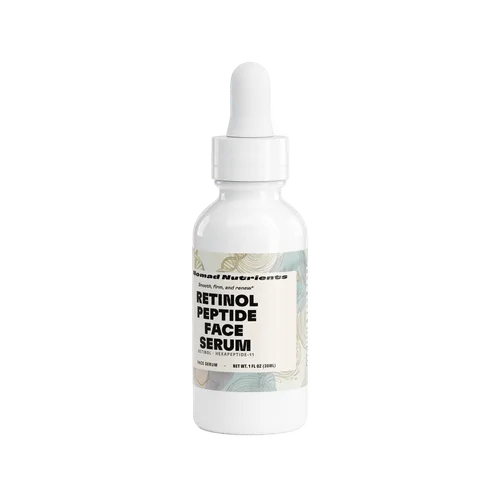
Retinol Peptide Face Serum
Stack price · Save 25%
Four products. Earned their place in every stack.
These float to the top of nearly every Smart Stack — broad pathway coverage, strong evidence, real doses. Curated by Myco, rotated when something better comes along.
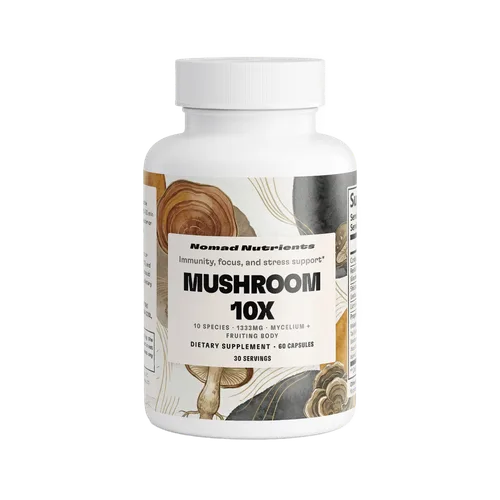
Mushroom 10X
Ten species in one capsule — the whole-spectrum support for immunity, focus, and energy.
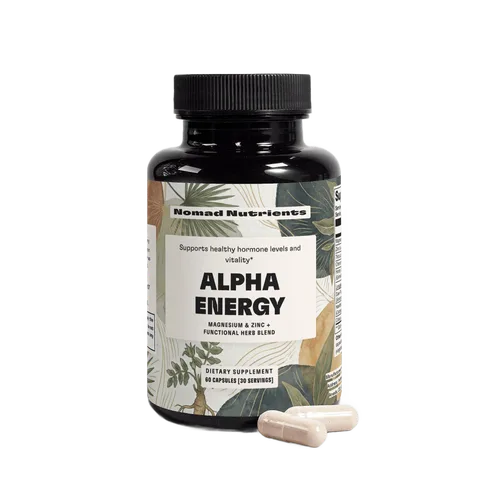
Alpha Energy
Testosterone. Energy. Drive. — Zinc, magnesium, and Tongkat Ali for natural vitality and peak performance.
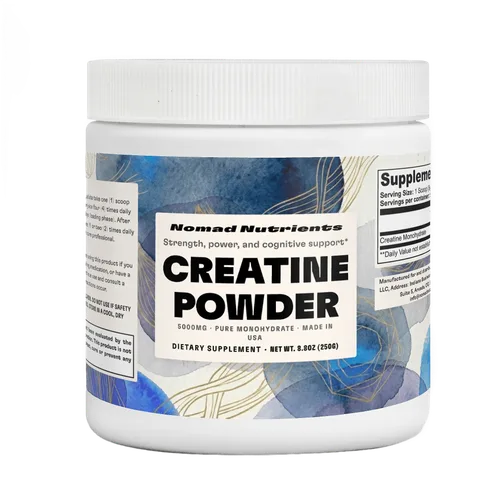
Creatine Powder
The most-studied compound on earth. 5g pure — for stronger muscle and sharper thinking.
Ashwagandha
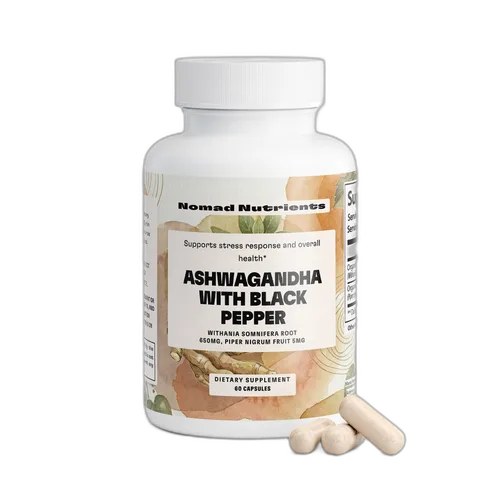
Cortisol control, calm focus, and deep recovery — the adaptogen that earns its place in every stack.
Founder’s Story
"Hi, I'm Tanner. I built Nomad for optimizers who want a real system — not just a subscription. You choose the direction, we handle the navigation. Pick your path and we'll keep you dialed in."
— Tanner
Chief Mushroom Officer