5 Skincare Actives That Work Better From the Inside Out
Retinol, hyaluronic acid, peptide serums — topical actives do real work. But the mechanisms they try to trigger internally are more efficiently reached from below the epidermis. Here's where the layering actually matters.


The skincare industry is built on the premise that what you put on your skin changes your skin. That's true — up to a point. The epidermis and upper dermis are accessible to well-formulated topicals. But the deeper dermal processes that determine skin quality at a structural level — collagen density, glycosaminoglycan content, fibroblast activity, trace mineral availability — are not accessible from the surface.
The most effective skincare routines pair both approaches. The five entries below describe what your topical actives are trying to accomplish, and the internal mechanism that accomplishes it more directly.
The Retinol Irritation Cycle
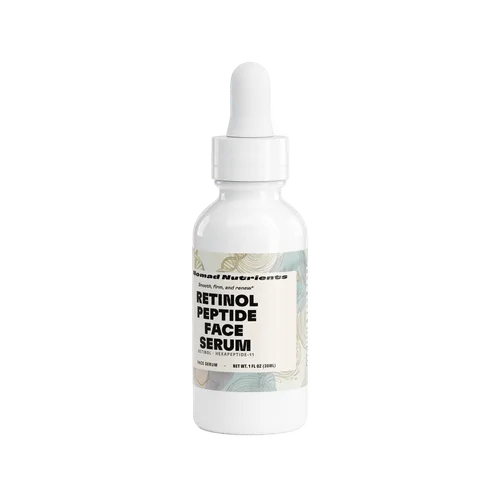
Retinol is the gold standard topical for accelerating cell turnover, stimulating collagen, and improving skin texture. It works — and it also causes peeling, redness, photosensitivity, and a 4–6 week irritation period that sends many people back to their cabinet. The underlying goal of retinol is to accelerate epidermal renewal and upregulate collagen synthesis in the dermis below. The delivery mechanism — applying a vitamin A derivative topically — creates significant surface irritation to achieve those deeper effects.
The irritation isn't a necessary part of the mechanism. It's a side effect of forcing a fat-soluble compound through the skin barrier at concentrations high enough to reach the dermis. Retinol doesn't become effective because it stings; it stings because the concentration required to be effective also disrupts the surface barrier.
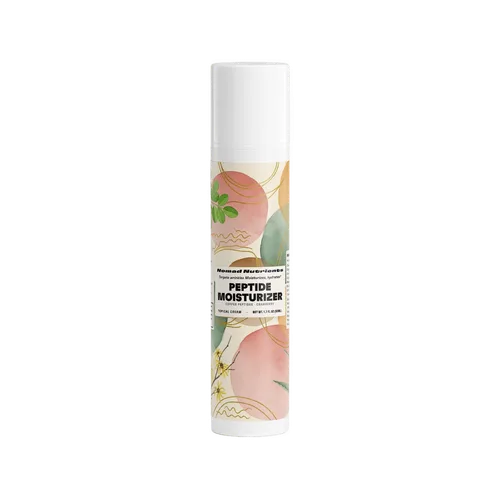
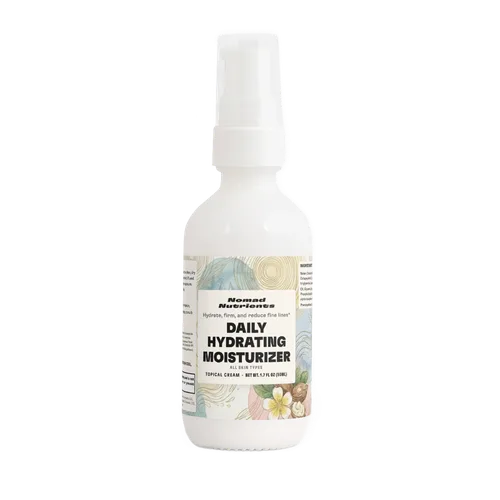
Internal peptide supplementation reaches the dermal fibroblasts that retinol is trying to stimulate — without touching the epidermal barrier at all. Hydrolyzed collagen-specific peptides, once absorbed systemically, act as signaling molecules that upregulate fibroblast activity and collagen synthesis from within. This is the mechanism retinol is triggering indirectly by causing surface irritation. The peptide moisturizer addresses the barrier repair side of the equation — supporting the skin-facing layer that retinol use disrupts — while internal peptides work on the structural matrix below. Used together, they address both the surface and the source.
Hyaluronic Acid Sits on the Surface
Hyaluronic acid is one of the most widely used topical skincare ingredients — and one of the most widely misunderstood. The marketing promises deep hydration and plumping effects. The reality: the HA molecule in most topical formulations is too large to penetrate the epidermis. It sits on the surface, draws moisture from the air (and from the skin itself if humidity is low), and creates a temporary plumping illusion that fades within hours of washing your face.
Lower-molecular-weight HA can penetrate further, but even then, it doesn't reach the dermis where the structural HA that gives skin its volumizing properties actually lives. Dermal HA is produced endogenously by fibroblasts — the same cells responsible for collagen — and its production declines with age through the same mechanisms.
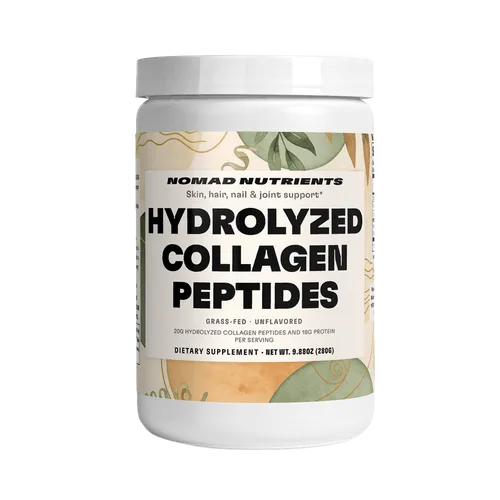
Grass-fed hydrolyzed collagen peptides support dermal HA production indirectly: the hydroxyproline-containing peptide sequences stimulate fibroblast activity, and fibroblasts produce both collagen and hyaluronic acid as part of the extracellular matrix they maintain. Clinical trials at 10g daily over 12 weeks show measurable improvements not just in collagen density but in skin moisture parameters — the internal hydration that topical HA can only simulate at the surface. The effect is structural, not cosmetic: more fibroblast activity means more of the components the dermis is supposed to produce on its own.
Don't shop alone. Build with Myco.
Tell Myco your goals. He'll pull the three compounds that fit your life and time-zone — locked-in founding pricing.
Snail Mucin Is Only Half the Equation
Snail secretion filtrate — the active in snail mucin products — is one of the more interesting topical ingredients available. It contains glycoproteins, hyaluronic acid, glycolic acid, and zinc that support barrier repair, gentle exfoliation, and wound healing. The evidence for its topical effects on barrier function is real, and for people with sensitive or compromised skin, it delivers meaningful surface-level benefit.
The limitation: barrier repair at the surface level addresses the symptom of a compromised skin barrier. The underlying reason barriers compromise — trace mineral depletion (particularly zinc and copper), chronic inflammation, gut-skin axis disruption — is not addressable from the outside. Applying snail mucin to inflamed, mineral-deficient skin is like fixing a leak by mopping the floor.
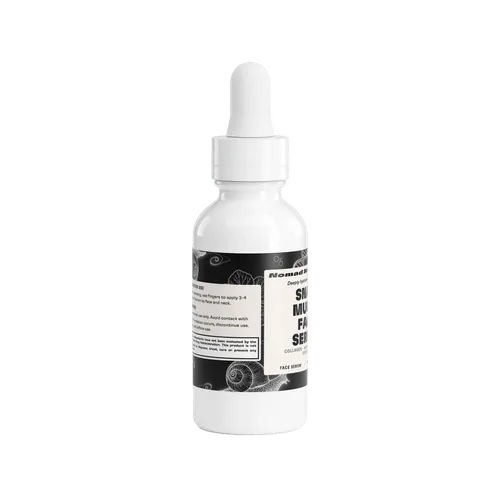
Snail mucin serum works on what it can reach. The root cause of barrier compromise — systemic trace mineral gaps, particularly zinc for tight junction protein synthesis and copper for lysyl oxidase activity in collagen crosslinking — requires internal correction. Wildcrafted sea moss provides zinc, copper, selenium, and 89 additional trace minerals in ionic form with high bioavailability, addressing the mineral substrate that determines whether your skin's barrier proteins are actually built to spec. The topical works on the current barrier. The mineral support determines the quality of the barrier the skin is building next.
Your Eye Cream Can't Fix Systemic Collagen Loss
The under-eye area is where skin aging becomes most visible earliest — the skin there is the thinnest on the face, has minimal sebaceous glands, and shows the effects of collagen and elastin decline acutely. Eye creams address this with peptides (to signal collagen synthesis), caffeine (to reduce puffiness via vasoconstriction), and retinol alternatives (to accelerate turnover without the irritation retinol causes in this delicate area).
These are all topical signal attempts to drive the same outcome: more collagen, more structural integrity, more hydration in the dermis beneath the lower lid. The signals are real. The limitation is delivery — the epidermis is a barrier by design, and the dermis where collagen lives is below it. The topical peptides that work best do so because small sequences can penetrate; the ones that can't reach the dermis are triggering surface-level receptor responses at best.
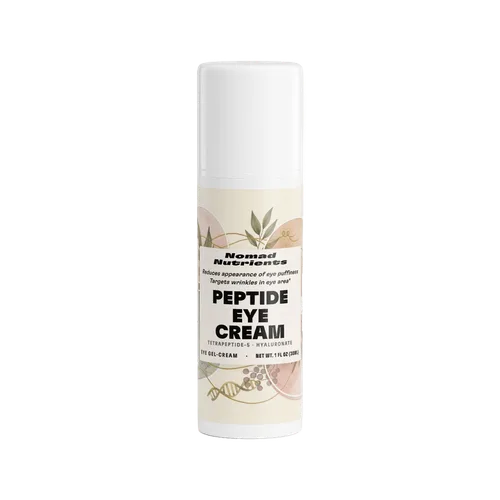
Peptide eye gel cream addresses the surface — reducing puffiness, supporting barrier integrity, signaling collagen synthesis at the epidermal level. Sublingual collagen peptide supplementation reaches the dermis through the bloodstream, where it concentrations in the dermal layer and acts directly on fibroblasts. The double-blind evidence for subcutaneous collagen density improvement at 12 weeks of supplementation is consistent; the eye area benefits as part of the systemic improvement, not through the topical delivery route the eye cream depends on. Both have a role. Neither alone addresses both layers.
A Complete Routine Requires Both Layers
The logic of topical-only skincare is essentially surface-up: apply actives to the outside and hope the signals penetrate. The logic of internal-only supplementation is inside-out: feed the cells and let them build the structure. Both are incomplete alone.
The skin you're seeing in the mirror today was built over the last 4–6 weeks. The skin your body is building right now — using the materials available to it — is what you'll see 4–6 weeks from now. Topicals influence the current surface. Internal supplementation influences the quality of what's being built. Optimizing only one timeline leaves the other unaddressed.
The beauty stack is built around the internal layer: collagen peptides for fibroblast stimulation, trace minerals for cofactor availability, and structural protein support for hair and nail tissue that shares the same building blocks as skin. Paired with a topical routine that addresses barrier function and surface signaling, it covers the layers that serums alone can't reach — because the materials those fibroblasts use have to come from somewhere, and it's not your face wash.
Biotin and vitamins + 20 g collagen peptides + night repair = Both sides of the barrier
Feeds skin, hair and nails from the inside, then repairs them while you sleep.


The goal isn't to replace your topical routine with supplements. It's to understand which layer each intervention can actually reach — and close the gap between what your serums are trying to accomplish and what your fibroblasts have to work with. Cover both and the compounding effect is meaningful.
Key Ingredients

Three products. One protocol.
Pick 3. Save 25%. Free shipping every order. Myco cycles compounds monthly so your body never plateaus — and you never run out.
I built Nomad Nutrients because the supplement aisle is broken. Timing, dosing, and stack design matter more than the latest hero ingredient. We get the boring stuff right so you don't have to.
Build a stack from this article
$85.27$113.70
Comments
Leave a Comment
Keep reading.
A Science-Backed Skincare Routine (Inside and Out)
Most skincare routines stop at the epidermis — the outermost 0.1mm of your skin. They ignore the dermis beneath it, where collagen, elastin, and hyaluronic acid are actually synthesized. No topical product reaches the dermis in meaningful concentrations. This layer responds to systemic inputs. A complete routine works both sides: topical actives on the surface, systemic compounds from within.
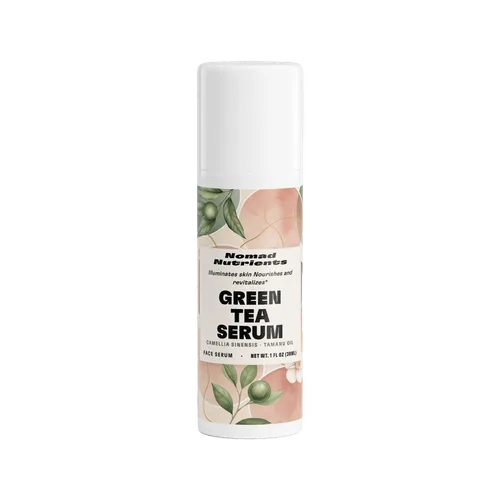
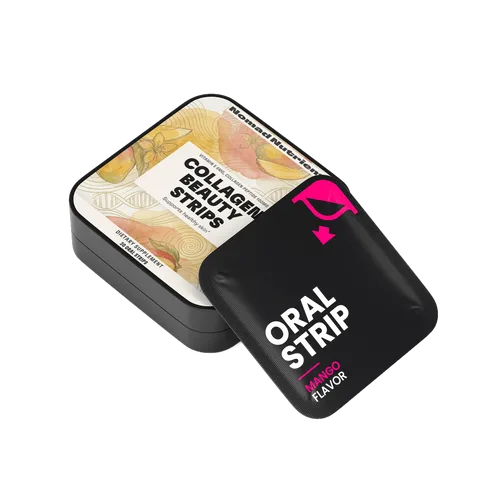
4 Things Happening to Your Skin After 30 That Topicals Can't Fix
The collagen cliff, glycation, gut-skin axis disruption, structural protein loss — these happen below the surface. Serums can't reach them. Here's what actually can.
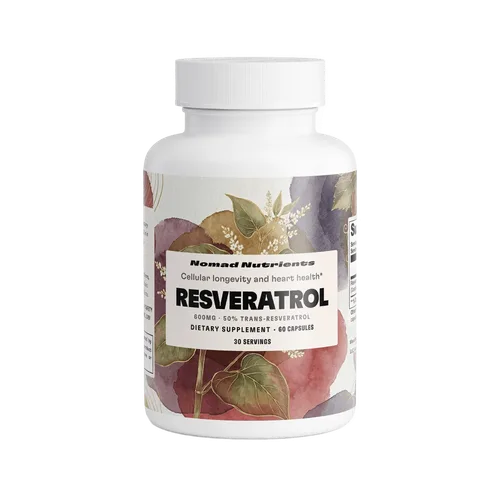
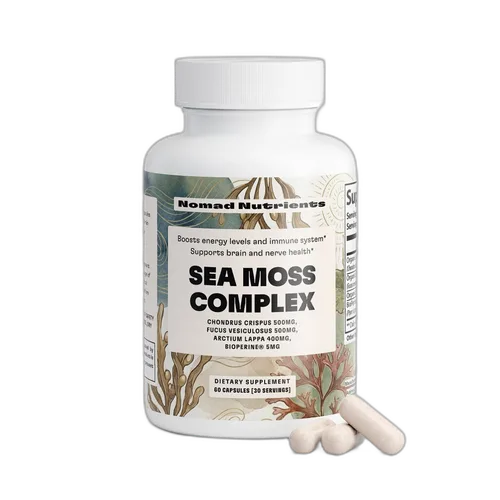
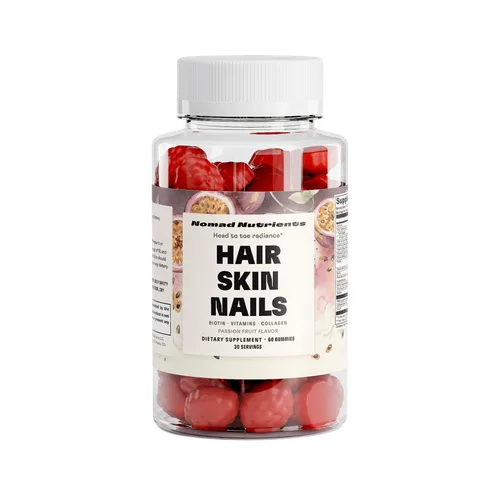
The Supplement Guide for Hair Loss That's Actually Honest
Hair loss content falls into two categories: 'this miracle supplement regrows everything' and 'nothing works, see a dermatologist.' The truth is between them. Some supplements have evidence for specific types of hair loss — nutritional deficiency and stress-induced shedding respond well. Pattern hair loss requires medical intervention. None of them are miracle cures. Here's the honest version, with the type-specific framework that determines whether supplementation is the right tool.
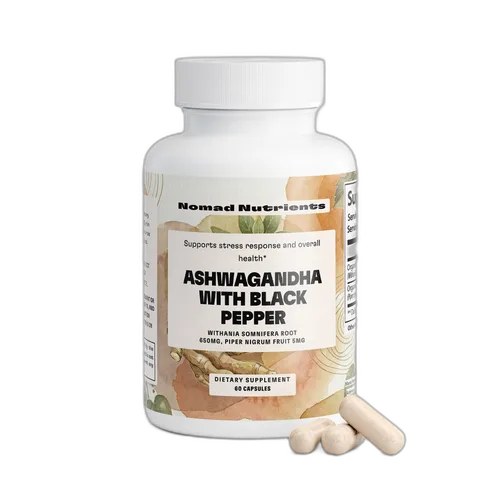
Why Your Collagen Routine Still Isn't Working
Collagen rebuilds skin's protein matrix. It doesn't touch hair or nails, and it doesn't work without the minerals that hold it together. Here's the 3-layer system that actually covers all three.
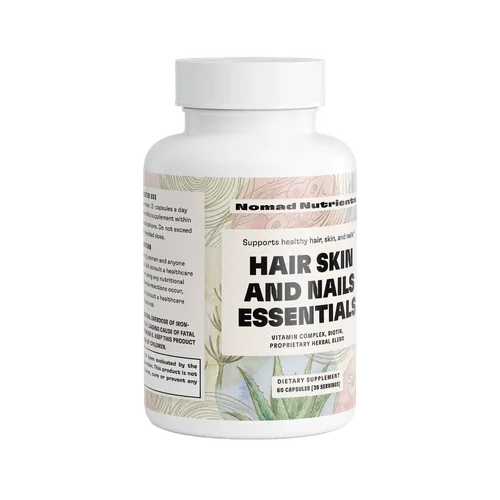
When to Take Every Supplement (The Complete Timing Guide)
Your body absorbs, metabolizes, and responds to nutrients differently depending on when you take them. Fat-soluble compounds taken without fat pass through you. Stimulatory adaptogens taken at night keep you up. Minerals taken together compete for the same transporters. This is the complete timing protocol — organized by window, with the pharmacokinetic reasoning behind every recommendation.
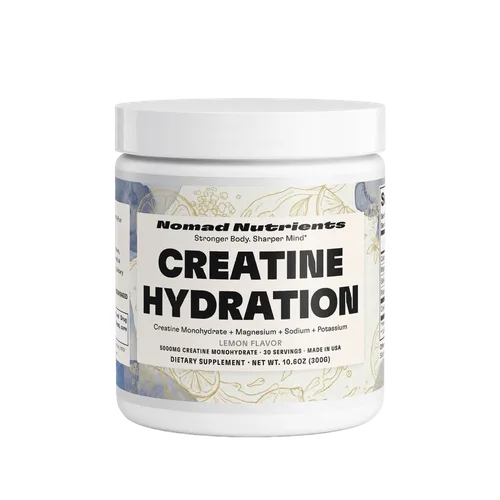
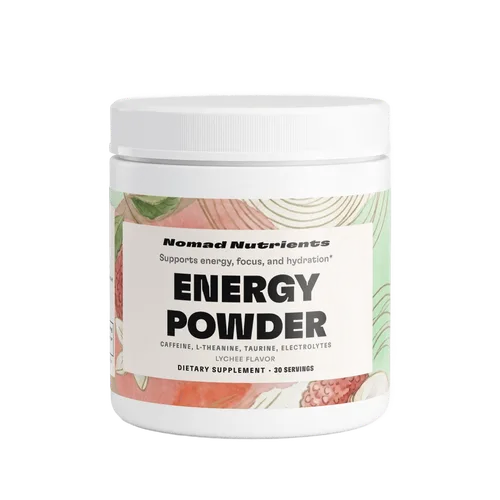
The Complete Collagen Guide: Types, Formats, Timing, and Whether It Actually Works
Collagen is the most abundant protein in your body and the most searched supplement category after protein powder. When you ingest hydrolyzed collagen, you're not depositing intact molecules into your skin — the molecule is far too large. What happens is more interesting: specific peptide fragments survive digestion, accumulate in the dermis, and serve as signaling molecules that upregulate your body's own collagen production. This guide maps the mechanism, evaluates the evidence, and explains why format and timing determine whether supplementation works or wastes your money.
Shop the products.
Peptide Moisturizer
Stack price · Save 25%
Grass-Fed Hydrolyzed Collagen Peptides
Stack price · Save 25%
Snail Mucin Face Serum
Stack price · Save 25%
Peptide Eye Gel-Cream
Stack price · Save 25%
Four products. Earned their place in every stack.
These float to the top of nearly every Smart Stack — broad pathway coverage, strong evidence, real doses. Curated by Myco, rotated when something better comes along.
Mushroom 10X
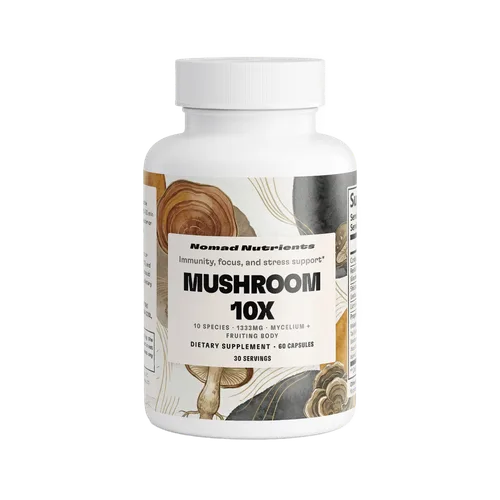
Ten species in one capsule — the whole-spectrum support for immunity, focus, and energy.
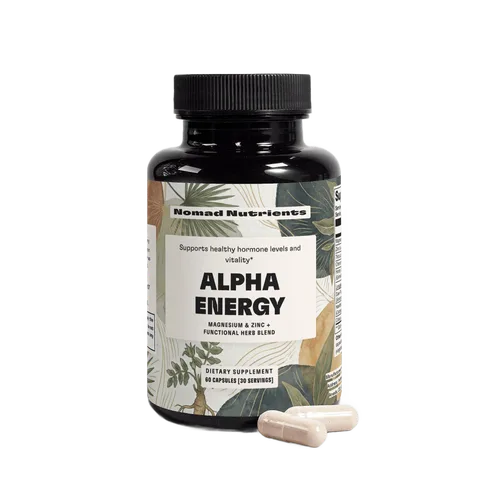
Alpha Energy
Testosterone. Energy. Drive. — Zinc, magnesium, and Tongkat Ali for natural vitality and peak performance.
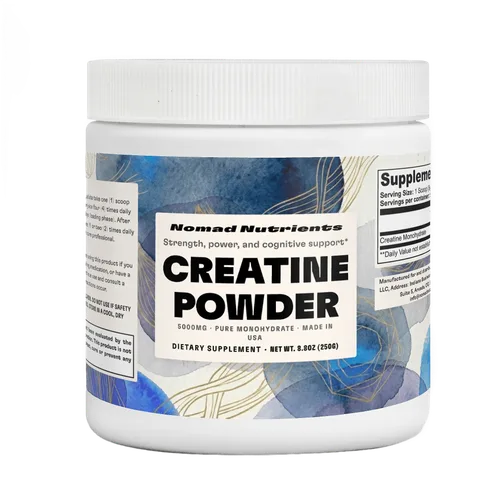
Creatine Powder
The most-studied compound on earth. 5g pure — for stronger muscle and sharper thinking.
Ashwagandha
Cortisol control, calm focus, and deep recovery — the adaptogen that earns its place in every stack.
Founder’s Story
"Hi, I'm Tanner. I built Nomad for optimizers who want a real system — not just a subscription. You choose the direction, we handle the navigation. Pick your path and we'll route you there."
— Tanner
Chief Mushroom Officer