4 Reasons Your Focus Stack Isn't Working (And What to Change)
Single-ingredient nootropics have a ceiling. Receptor tolerance, missing cofactors, wrong timing, and unaddressed cortisol load are the four most common reasons a focus stack underdelivers.


Most people approach focus supplementation the same way they approach everything else: find the best single thing and take it. For nootropics, this approach has a ceiling that most people hit within a few weeks. The compounds that support cognitive function operate on different timescales, through different mechanisms, and with different tolerance profiles. Taking one of them daily and expecting sustained results is a setup for disappointment.
Below are the four most common structural reasons a focus stack underdelivers — and what specifically addresses each one.
You're Hitting the Same Receptor Every Day
Caffeine is the most widely used psychoactive compound in the world, and adenosine receptor downregulation is one of the most well-documented forms of receptor tolerance. Within 7–10 days of daily caffeine use, the brain compensates by upregulating adenosine receptors — meaning you now need more caffeine to produce the same degree of adenosine blockade. Keep escalating the dose and you're no longer enhancing alertness; you're preventing withdrawal.
This isn't a willpower problem. It's a receptor problem. Continuing to increase caffeine dose when tolerance has built does not restore the cognitive effect — it just shifts your baseline and increases side effects: anxiety, heart rate elevation, poor sleep quality, and the crash that follows.
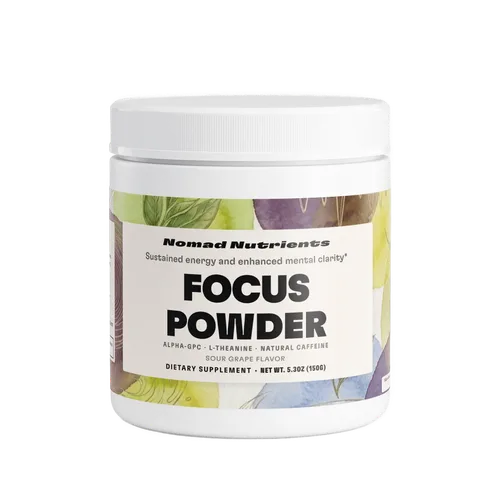
A cycling approach with L-theanine prevents the tolerance building that makes caffeine-only supplementation self-defeating. L-theanine doesn't block adenosine — it increases alpha brain wave activity and modulates the overstimulation profile of caffeine, producing focused alertness rather than jittery activation. The combination at a 1:2 caffeine-to-theanine ratio is the best-studied nootropic pairing in the literature. A focus powder with this formulation, taken on a cycling schedule rather than daily, maintains receptor sensitivity while delivering the clean alertness profile that caffeine alone loses over time.
NGF Support Needs Weeks, Not Hours
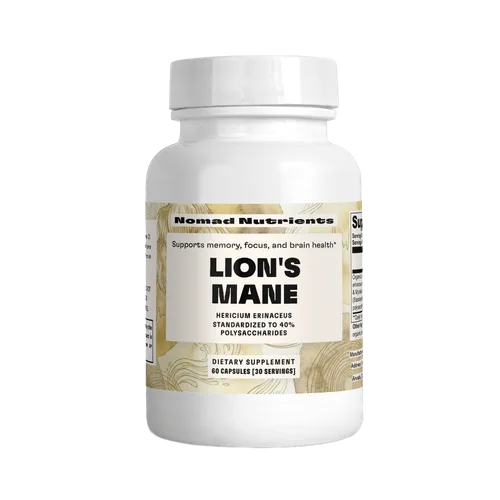
Lion's Mane is one of the most mechanistically interesting cognitive compounds available — but it's also one of the most commonly misused. People take it once, notice nothing acute, and conclude it doesn't work. This misunderstands the timeline. Nerve Growth Factor (NGF) upregulation is a slow-building physiological process. The hericenones and erinacines in Lion's Mane stimulate NGF synthesis; the NGF then supports neuronal maintenance and repair over time. This is not an acute alertness effect. It's infrastructure support.
The 2023 Nutrients trial found acute cognitive effects within 60 minutes of a single high dose — but the sustained, meaningful improvements in memory and cognitive architecture appear at 8–12 weeks of daily supplementation. Evaluating Lion's Mane after a week is like evaluating an exercise routine after three sessions.
Fruiting body Lion's Mane, dual-extracted for hericenone and beta-glucan content, taken daily at 1–1.5g extract equivalent. The extract ratio matters — raw powder at equivalent milligrams is not equivalent in bioactive concentration. The protocol is simple: daily, consistent, 8–12 weeks minimum before evaluating. The people who get the most from Lion's Mane are playing the long game on neuroplasticity, not chasing an acute effect. If you quit before week 8, you quit before the compound had a meaningful chance to work.
Don't shop alone. Build with Myco.
Tell Myco your goals. He'll pull the three compounds that fit your life and time-zone — locked-in founding pricing.
You're Supplementing Focus But Ignoring Cortisol
Cortisol and acetylcholine are in direct opposition. Elevated cortisol suppresses acetylcholine synthesis — reducing the raw material available for the cholinergic system that drives attention, working memory, and executive function. This means that running a focus stack without addressing stress load is structurally self-defeating: you're supporting one side of the equation while the other side actively undermines it.
The knowledge worker who's chronically stressed — elevated cortisol, HPA axis stuck in activation — will get systematically less from their focus stack than someone with a well-regulated stress response. Not because the compounds are ineffective, but because the neurochemical environment they're working in is hostile to the mechanisms they're trying to support.
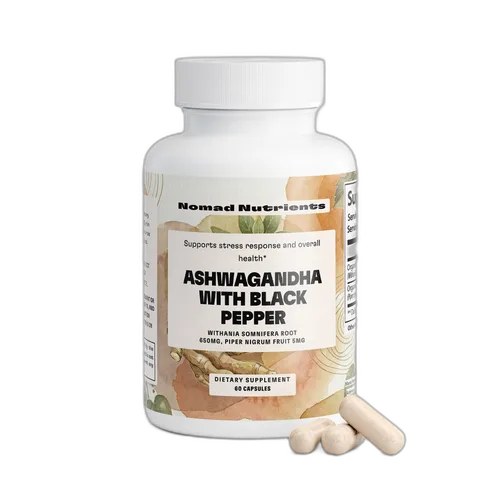
Ashwagandha with black pepper addresses the stress load that limits the effectiveness of focus compounds. Cortisol reductions in the 20–30% range over 60 days measurably improve the neurochemical environment in which cholinergic support and NGF stimulation operate. It's not a focus compound itself — it's the condition that makes focus compounds work better. For anyone in a high-stress professional context, this is the foundational layer that the rest of the stack builds on. Without it, you're fighting upstream.
Single-Pathway Approaches Have a Ceiling
Cognitive performance is not a single process. It's the emergent result of multiple overlapping systems: the cholinergic system (acetylcholine availability and receptor density), the NGF-dependent neuroplasticity system (neuronal maintenance and synaptic efficiency), cellular energy availability (phosphocreatine buffering in neurons), and the cortisol regulatory environment that either supports or suppresses all of the above.
A single compound addresses one of these pathways. A well-designed stack addresses multiple pathways simultaneously, producing effects that are complementary rather than additive — each compound creating conditions that allow the others to work more effectively.
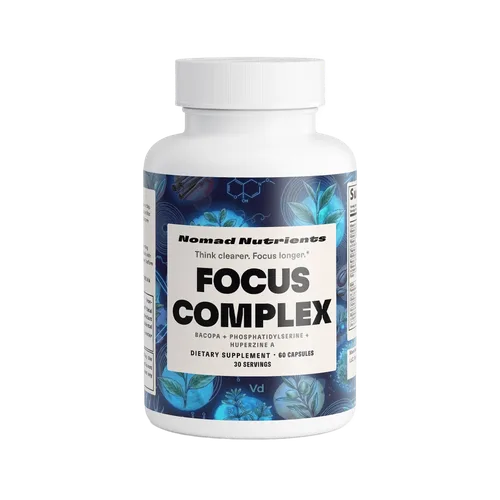
The Focus Stack combines three distinct pathways: cholinergic support (Focus Complex with Alpha-GPC, Bacopa, Huperzine A), NGF infrastructure (Lion's Mane fruiting body extract), and clean acute alertness (L-theanine + caffeine in Focus Powder). These work at different timescales — the acute caffeine-theanine effect within 30 minutes, the cholinergic improvements over 4–6 weeks, the NGF infrastructure changes at 8–12 weeks. Together, they cover the full range from today's session to six months from now. No single compound produces this range of coverage.
Acute drive + memory botanicals + lion's mane NGF = All-day focus
Sharp in minutes, sharper by afternoon, sharpest after a month of staying on it.


The focus stack that works long-term is not the strongest single nootropic you can find. It's a multi-pathway approach that addresses acute alertness, cholinergic support, long-term neuroplasticity, and the cortisol environment that determines how well all of those work.
Audit your current approach against the four failure modes above. The fix is almost always simpler than switching to a different single compound.
Key Ingredients

Alpha-GPC
L-Alpha-glycerylphosphorylcholine

Natural Caffeine
Caffeine (from Green Tea)

L-Theanine
L-γ-glutamylethylamide

Lion's Mane Mushroom
Hericium erinaceus

Ashwagandha
Withania somnifera
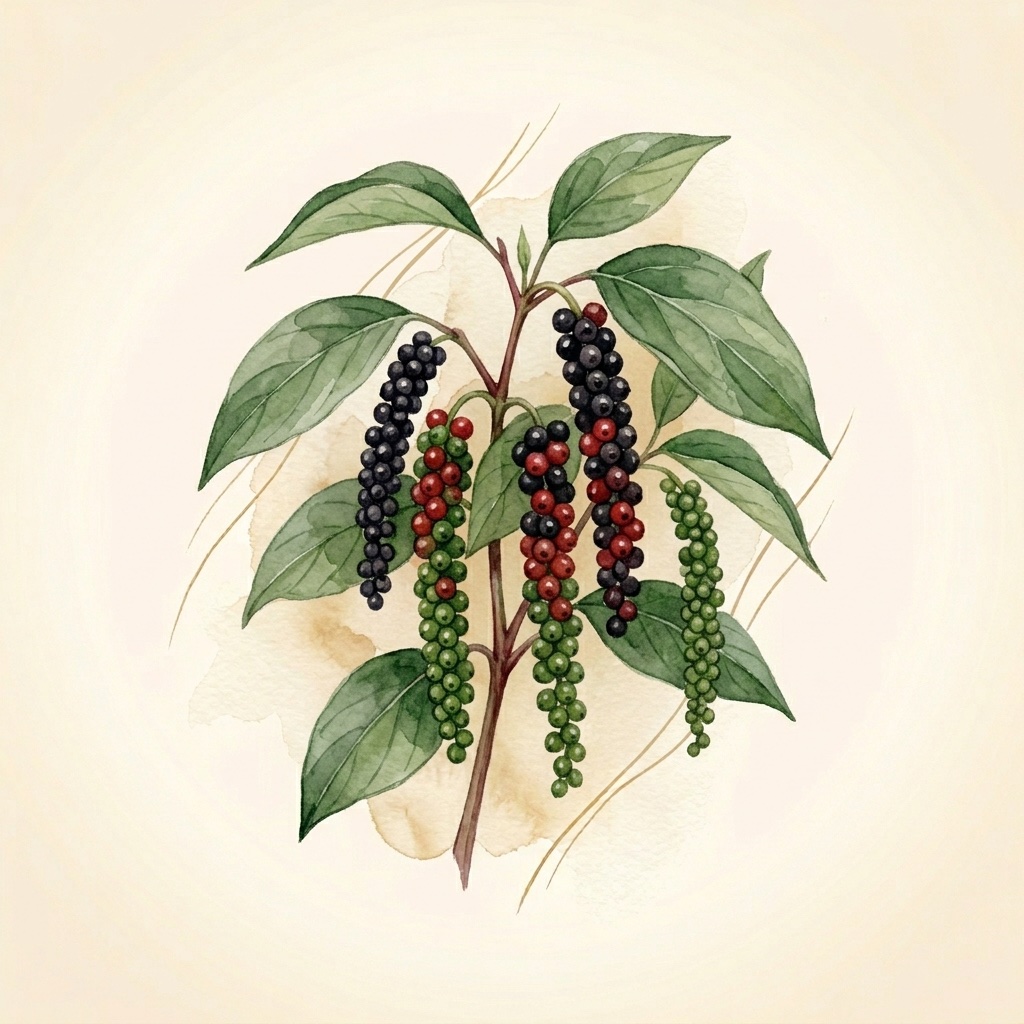
Black Pepper
Piper nigrum
Three products. One protocol.
Pick 3. Save 25%. Free shipping every order. Myco cycles compounds monthly so your body never plateaus — and you never run out.
I built Nomad Nutrients because the supplement aisle is broken. Timing, dosing, and stack design matter more than the latest hero ingredient. We get the boring stuff right so you don't have to.
Build a stack from this article
$77.02$102.70
Comments
Leave a Comment
Keep reading.
5 Signs Your Brain Is Running on Fumes — And What to Do About Each One
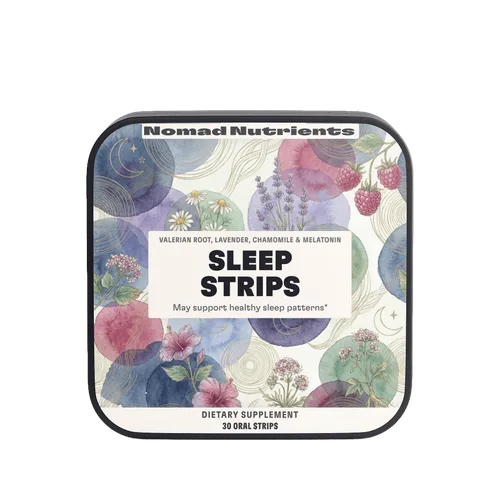
Afternoon fog, expensive context-switching, decisions that drain you — these aren't productivity problems. They're physiological signals. Here's what each one means and what to do about it.
5 Reasons You Crash at 2pm (And the Compound Fix for Each)
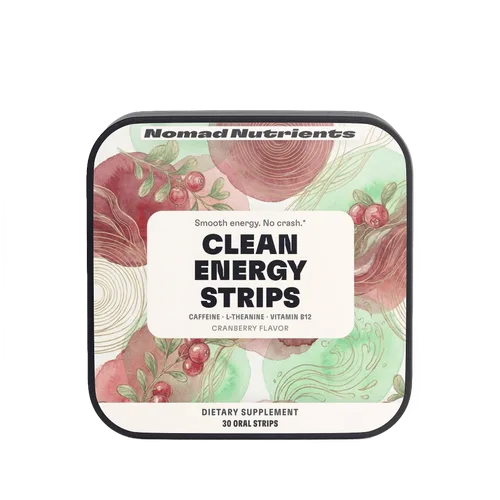
The afternoon energy crash isn't one problem — it's five distinct biological failure modes, each with a different root cause and a different compound fix. Here's how to find yours.
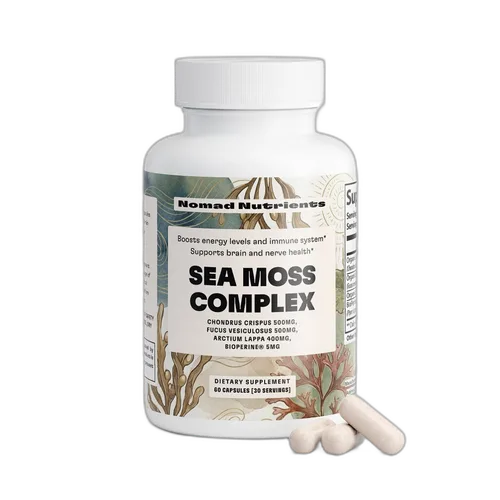
The Desk Athlete Stack: 5 Supplements for People Who Sit 8+ Hours a Day
You train your brain for 8 hours straight. Your body absorbs the collateral damage. Here are the 5 supplements that close the gap between how hard you work and how well you recover.
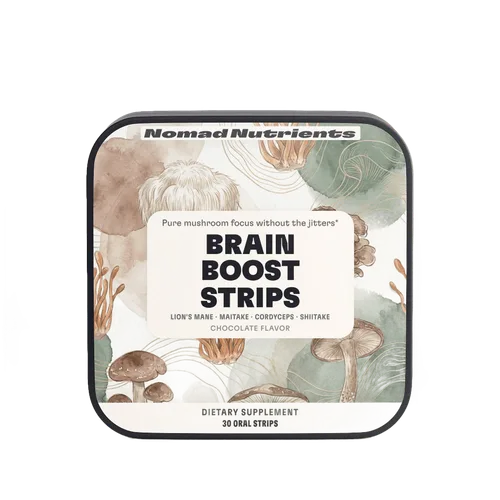
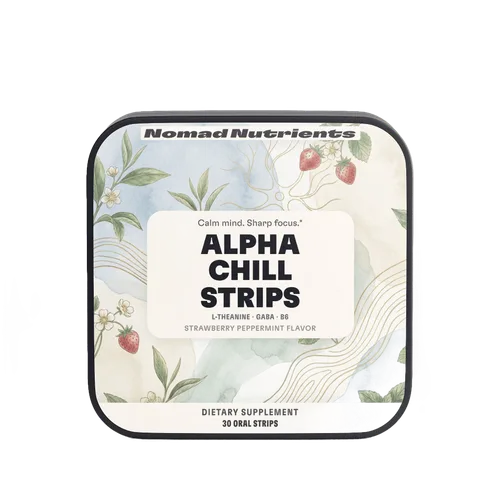
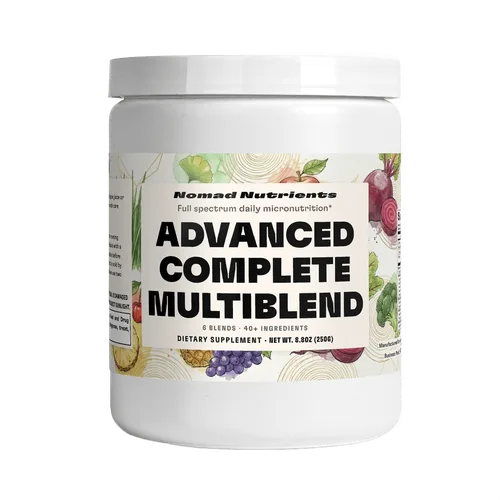
How to Build Your First Supplement Stack (Without Wasting Money)
The supplement aisle is designed to overwhelm you into buying nothing or buying everything. Neither is correct. Here's a tiered framework — start at the foundation, add based on your goal, and only advance when the previous tier is habitual. Each tier is complete on its own. You don't need Tier 3 to benefit from Tier 1.
The 6 Supplements That Actually Have Clinical Evidence (And How to Stack Them)
Most supplements don't have clinical evidence worth citing. These six do — here's the specific research, the mechanism, and how they compound when stacked together.
Creatine Isn't Just for the Gym: What the 2026 Brain Studies Actually Show
A new Alzheimer's trial found creatine slowed cognitive decline by 30%. A meta-analysis confirmed benefits for memory and focus in healthy adults. Here's what desk athletes should know.
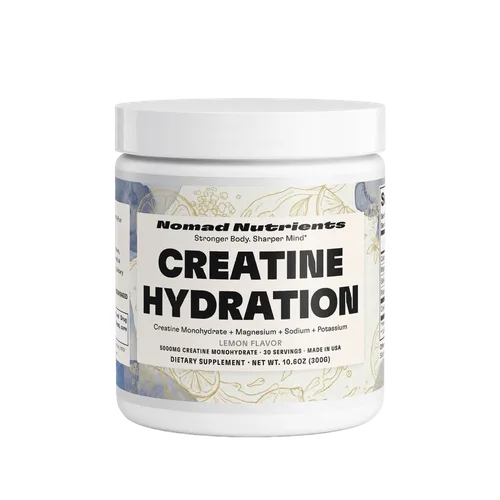
Four products. Earned their place in every stack.
These float to the top of nearly every Smart Stack — broad pathway coverage, strong evidence, real doses. Curated by Myco, rotated when something better comes along.
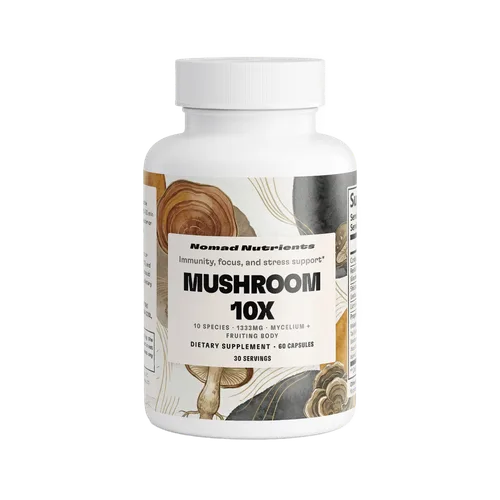
Mushroom 10X
Ten species in one capsule — the whole-spectrum support for immunity, focus, and energy.
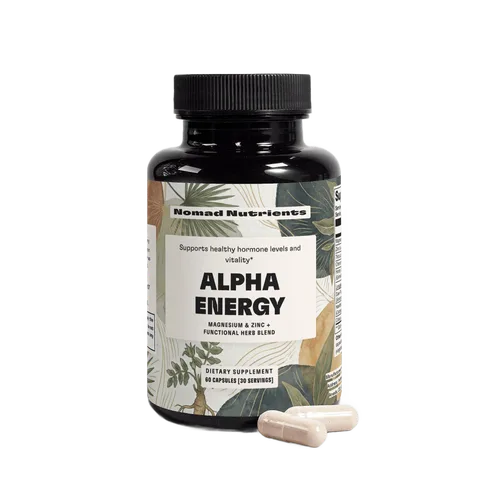
Alpha Energy
Testosterone. Energy. Drive. — Zinc, magnesium, and Tongkat Ali for natural vitality and peak performance.
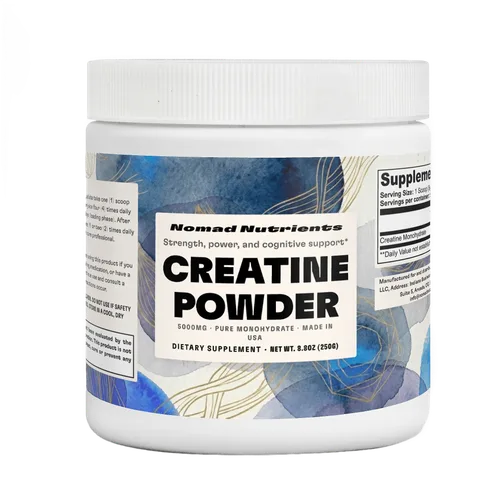
Creatine Powder
The most-studied compound on earth. 5g pure — for stronger muscle and sharper thinking.
Ashwagandha
Cortisol control, calm focus, and deep recovery — the adaptogen that earns its place in every stack.
Founder’s Story
"Hi, I'm Tanner. I built Nomad for optimizers who want a real system — not just a subscription. You choose the direction, we handle the navigation. Pick your path and we'll route you there."
— Tanner
Chief Mushroom Officer